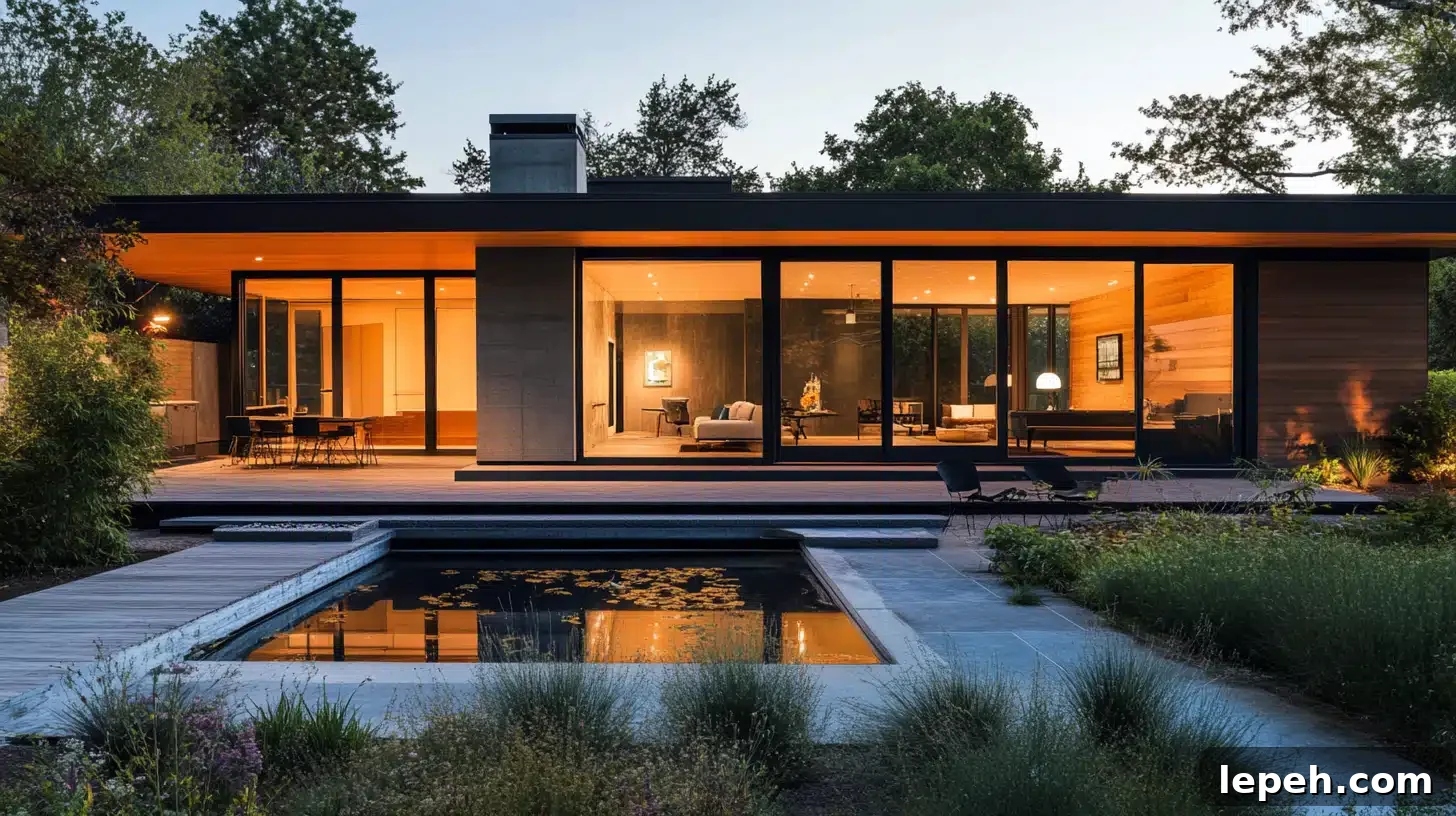
If you want your home to remain fresh, functional, and valuable, upkeep goes beyond cleaning — it requires thoughtful modernization. Incorporating current trends in both aesthetics and technology helps preserve your property’s market value, reduce energy and water use, and improve everyday comfort.
This guide offers practical ideas to modernize your home without forcing a complete style overhaul. The goal is to be smarter about decorating, furnishing, and choosing technology so your home feels up to date while remaining true to its character.
Choose a Neutral and Contrasting Color Palette
Start with a neutral base — shades like white, soft gray, or warm beige — for walls and major furniture pieces. Add visual interest with contrasting accent colors applied sparingly through cushions, rugs, curtains, or art. Accent hues such as blue, green, and mustard yellow create a contemporary, balanced look that’s easy to refresh over time. When you want to change a room’s mood, you can update accessories rather than repaint or replace large items.
Modern and Functional Lighting is Essential
Lighting shapes atmosphere and usability. Replace dated fixtures with clean, modern designs that serve a purpose: pendant lights above a dining table or kitchen island, adjustable wall sconces to highlight artwork, and floor or table lamps to create warm, layered illumination in living areas and bedrooms. Choose energy-efficient bulbs and dimmable options to adapt light levels for different activities.
Turn Your Home into a Smart Home
Smart home technology integrates architecture and electronics to simplify daily life. A modern smart home centralizes control of lighting, climate, security, and entertainment so you can operate systems from a single device or with voice commands. Thoughtful planning during updates ensures wiring, Wi-Fi coverage, and device placement work together to deliver reliable performance.
Invest in Energy-Saving Products
Daylight, efficient appliances, and renewable energy systems are investments that modernize your home and cut long-term costs. Options range from high-efficiency HVAC systems and ENERGY STAR appliances to solar panels and improved insulation. These measures lower utility bills, reduce environmental impact, and increase property value. Consider efficient windows, programmable thermostats, and LED lighting as accessible starting points.
Choose Statement Art and Decorative Elements
Make rooms memorable with carefully selected statement pieces. Contemporary paintings, sculptural objects, oversized wall hangings, decorative mirrors, and distinctive furniture act as focal points and conversation starters. Use these elements sparingly to add sophistication and character without cluttering the space.
Simplicity Above All
Minimalism remains a hallmark of modern design: less is more. Keep rooms uncluttered and prioritize clear surfaces to create an airy, orderly feel. That doesn’t mean sterile spaces — arrange a small group of decorative objects on a console, use symmetry to create balance, and select a single standout item as the focal point. Streamlined furniture with clean lines supports a spacious, modern aesthetic.
Find a Central Device or Assistant to Connect Your Home
A smart home begins with an ecosystem manager such as a voice assistant. Choose a platform (voice assistant or hub) that fits your budget and tech preferences, then add a compatible control device: a smartphone, tablet, or dedicated smart display. This central system lets you monitor and control devices from one place and simplifies automation and routines.
Expand with Interconnected Devices
Once you have a hub, build a smart ecosystem with devices that communicate and automate tasks. Useful additions include:
- Smart plugs to schedule or remotely switch electronics.
- Smart bulbs that follow schedules or respond to voice commands.
- Smart locks and alarm systems to enhance security and remote access.
- Home theater and audio systems for immersive entertainment experiences.
- Smart appliances that offer convenience features like inventory reminders or remote operation.
- Automated thermostats, smart showers, and robot vacuum cleaners for everyday convenience.
Most smart devices work over Wi‑Fi and integrate through the ecosystem manager, enabling routines such as turning off lights when you leave, adjusting the thermostat based on presence, or arming security systems automatically.
Buy Quality Speakers
Voice interaction with your smart home is more convenient when supported by reliable smart speakers with good microphones and sound quality. Speakers placed around the house allow hands‑free control from multiple rooms and can double as multiroom audio systems. If you work from home or want private listening, add wireless headphones for flexibility.
Conclusion
Modernizing your home combines aesthetic decisions with practical technology choices. Right colors, effective lighting, and simplified decor instantly refresh a space. Adding energy‑efficient products and a thoughtful smart ecosystem boosts comfort, security, and long‑term savings. Start small — update lighting, add a central voice assistant, and gradually introduce interconnected devices — and you’ll steadily transform your home into a more modern, efficient, and enjoyable place to live.