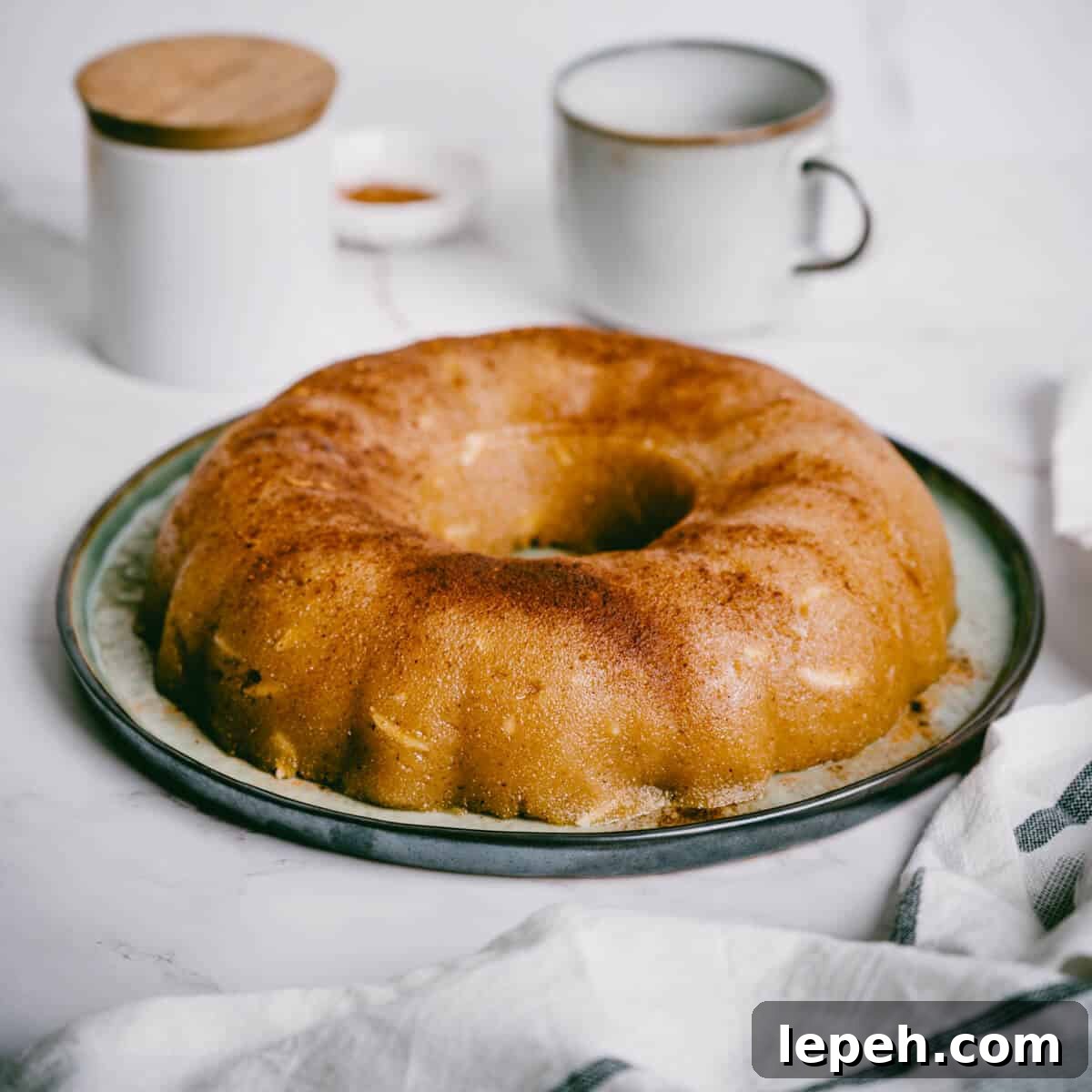
You will love this traditional Greek halva if you have a sweet tooth. This semolina pudding is delicate yet bold, celebrated for its nutty flavour and silky texture. Best of all, there is no baking involved.
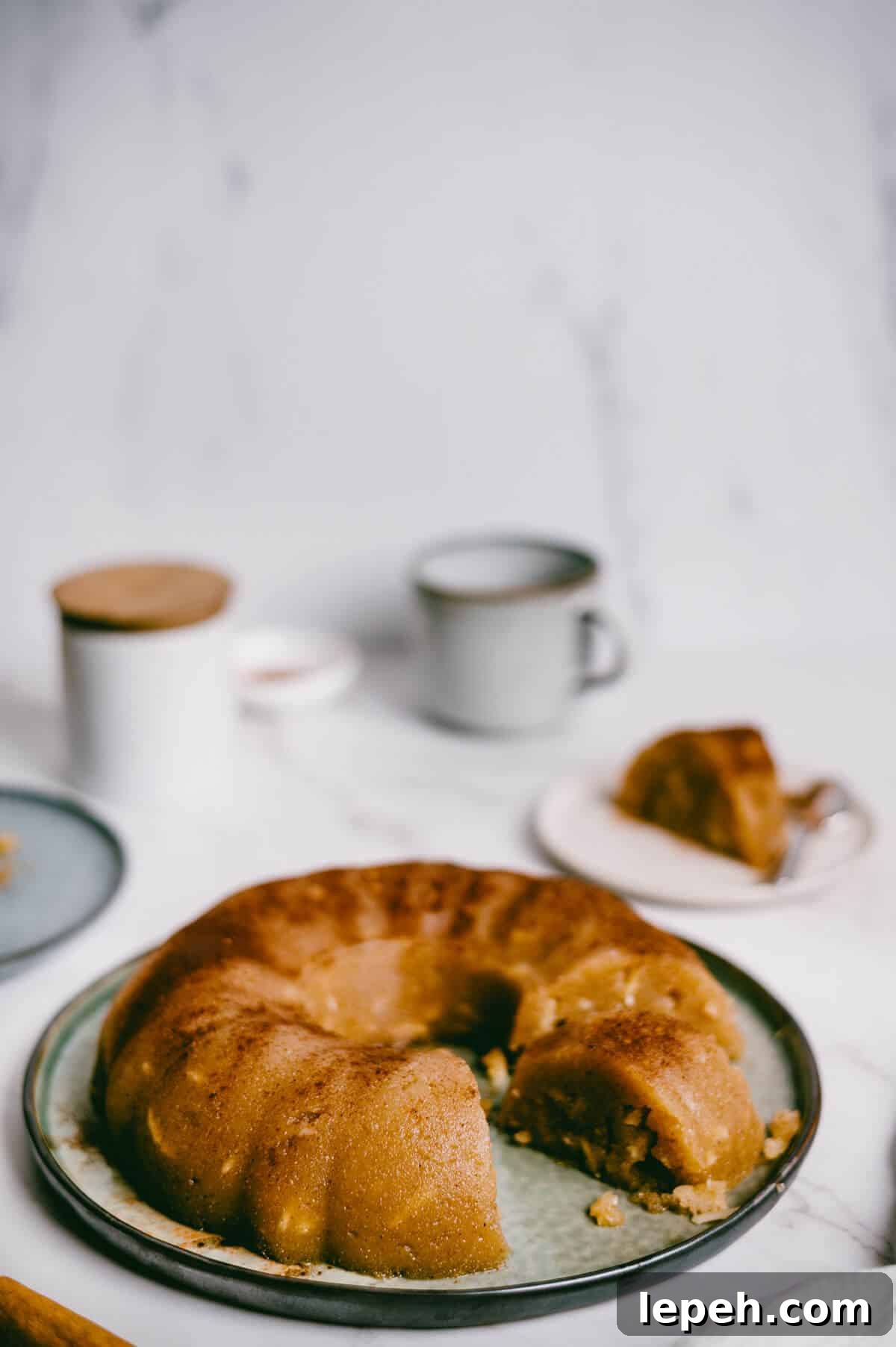
What is halva?
Halvas (Χαλβάς) appears across Greece in several distinct forms.
- Sesame halva: made from tahini (crushed sesame seeds) and sweetened with sugar or honey. It has a crumbly texture and is often mixed with chocolate or nuts.
- Halvas Farsalon: a jelly-like version made with cornstarch and caramel syrup from Farsala in Central Greece.
- Macedonian halva: another tahini-based variation flavoured with honey and nuts.
- Semolina halva: the version shown here. Made with semolina, oil, sugar and water, it’s the most common homemade halva in Greece.
Halva is traditionally served on the first day of Greek Orthodox Lent (Clean Monday) alongside taramasalata and lagana, but it’s delicious any time of year.
Halva history
- Although halva is firmly part of Greek culinary tradition, its history reflects influences from neighbouring cultures, particularly from the Ottoman era.
- Variations of halva are also popular across the Balkans, Turkey, the Middle East and India, each region offering its own take.
Why this recipe works
- Simple: In Greece this halva is often remembered as the “1:2:3:4” recipe—one part oil, two parts semolina, three parts sugar, four parts water—using humble pantry ingredients.
- Comforting: The pudding-like texture and warm aromas make it a comforting, satisfying dessert.
- Vegan-friendly: This version contains no dairy or eggs, making it naturally vegan.
- Effortless: No oven is needed—just attentive stovetop cooking and stirring for great results.
Ingredients and substitutions
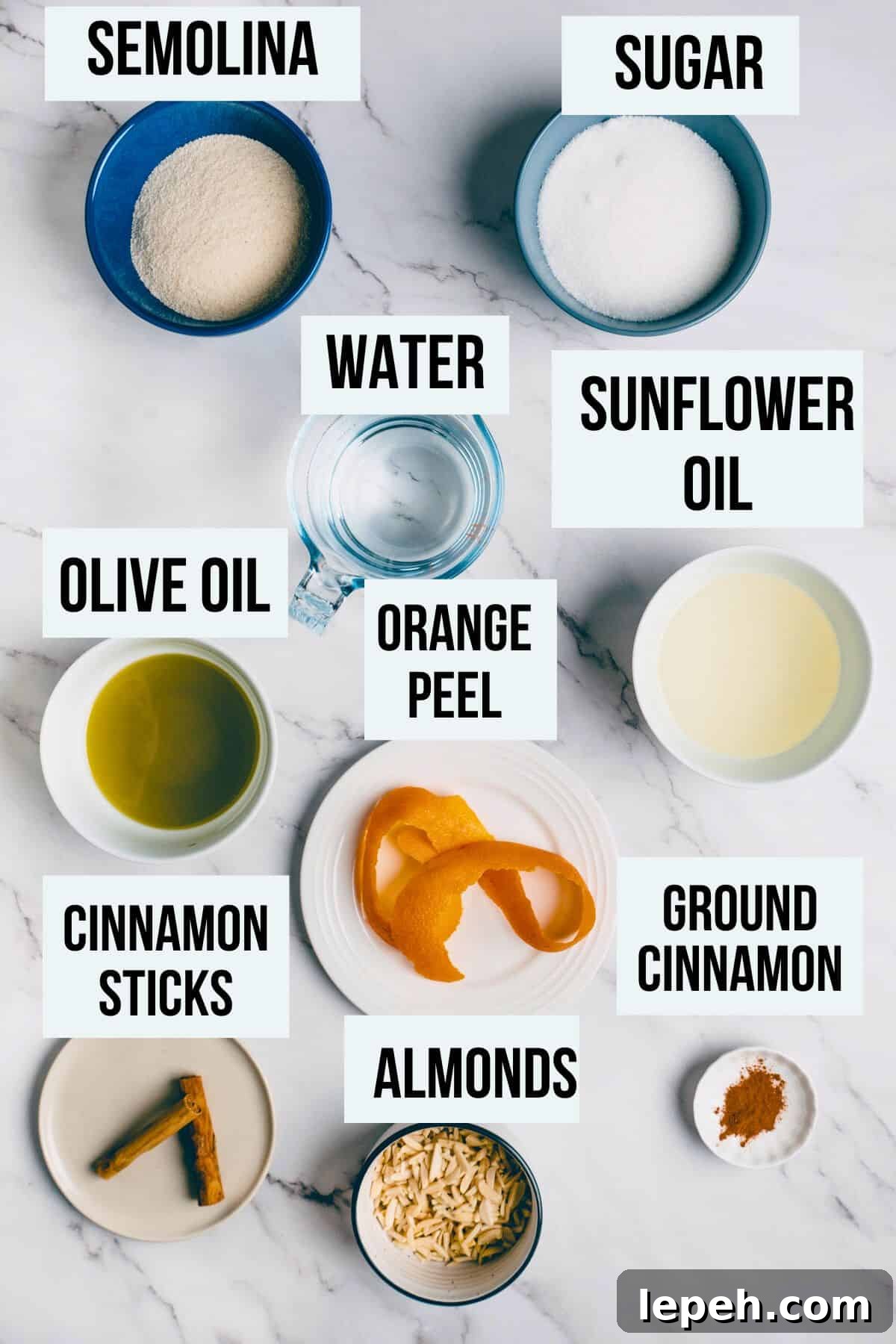
Semolina
- Semolina is a coarse wheat flour commonly used in Greek desserts. Coarse semolina provides a pleasant, slightly toothy texture; blending in some fine semolina will yield a smoother halva.
Sugar
- Use regular granulated sugar for the syrup. Caster sugar will work too. For a deeper taste try part brown sugar or add a splash of honey to the syrup.
Oil
- A mix of extra virgin olive oil and a neutral oil such as sunflower keeps the halva flavorful but not overpowering. Vegetable oil is common, and butter can be used for a richer result.
Flavours and spices
- Classic aromatics include cinnamon and orange peel. Cardamom or a touch of vanilla can be added for variety.
Nuts and dried fruit
- Almonds, pine nuts, walnuts, pistachios or sesame seeds add texture and flavour; raisins or dried cranberries work well if you like fruit in your halva.
How to make Greek semolina halva
Prepare the syrup
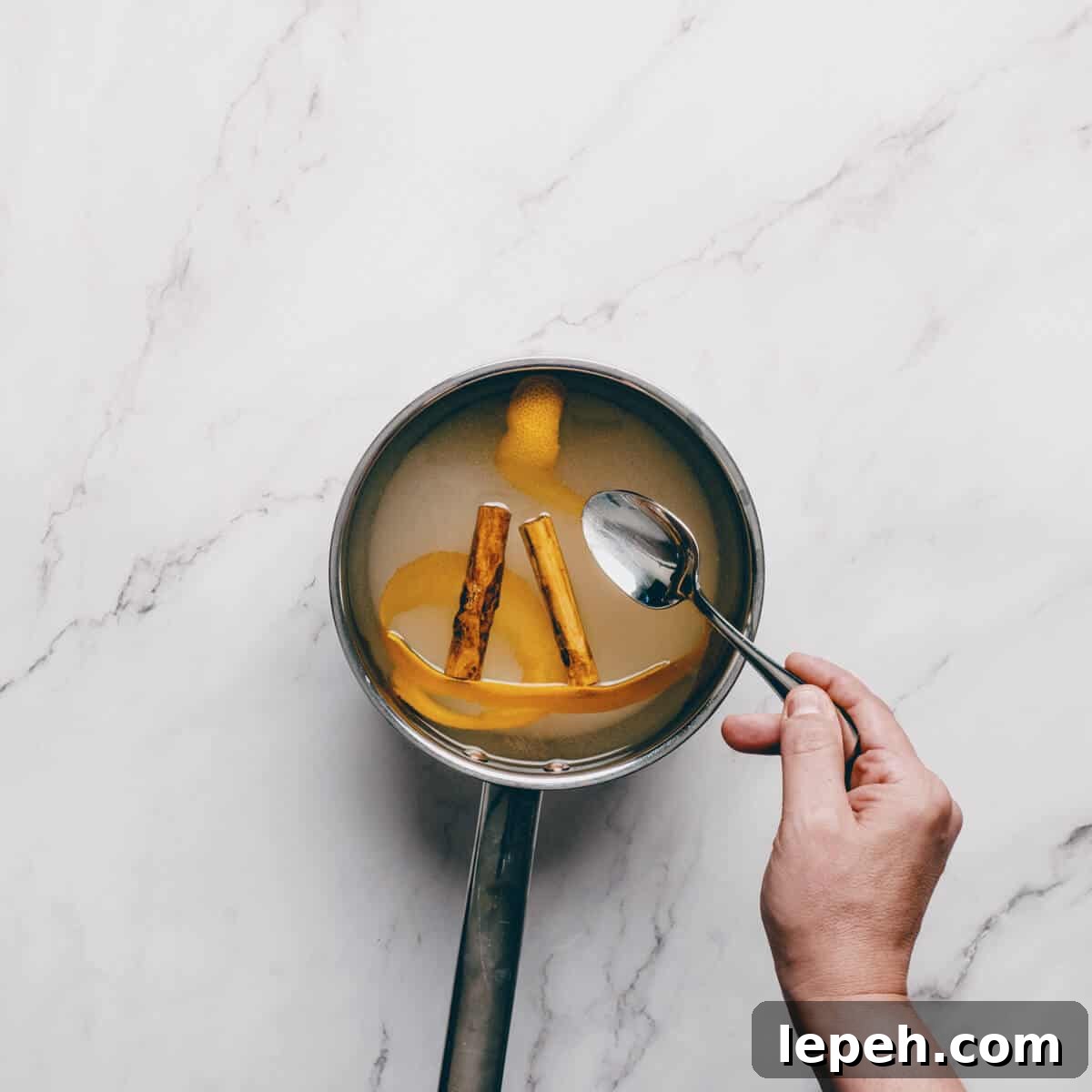
- Step 1: Combine sugar, water, orange peel and cinnamon sticks in a small saucepan and bring to the boil over medium-high heat.
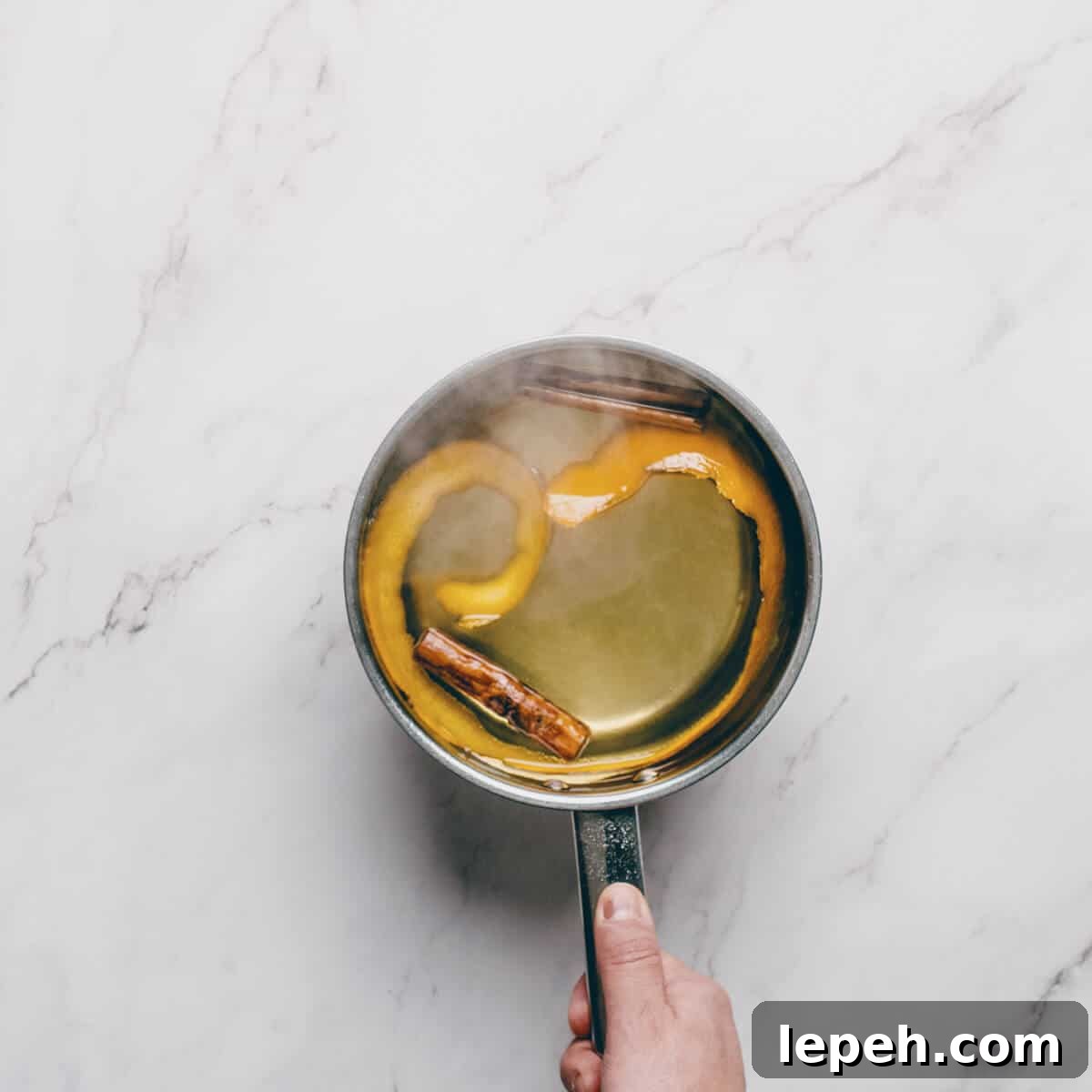
- Step 2: Let it boil briefly, then lower the heat and simmer for about 10 minutes. Remove from the heat and allow the syrup to cool.
Cooking the semolina
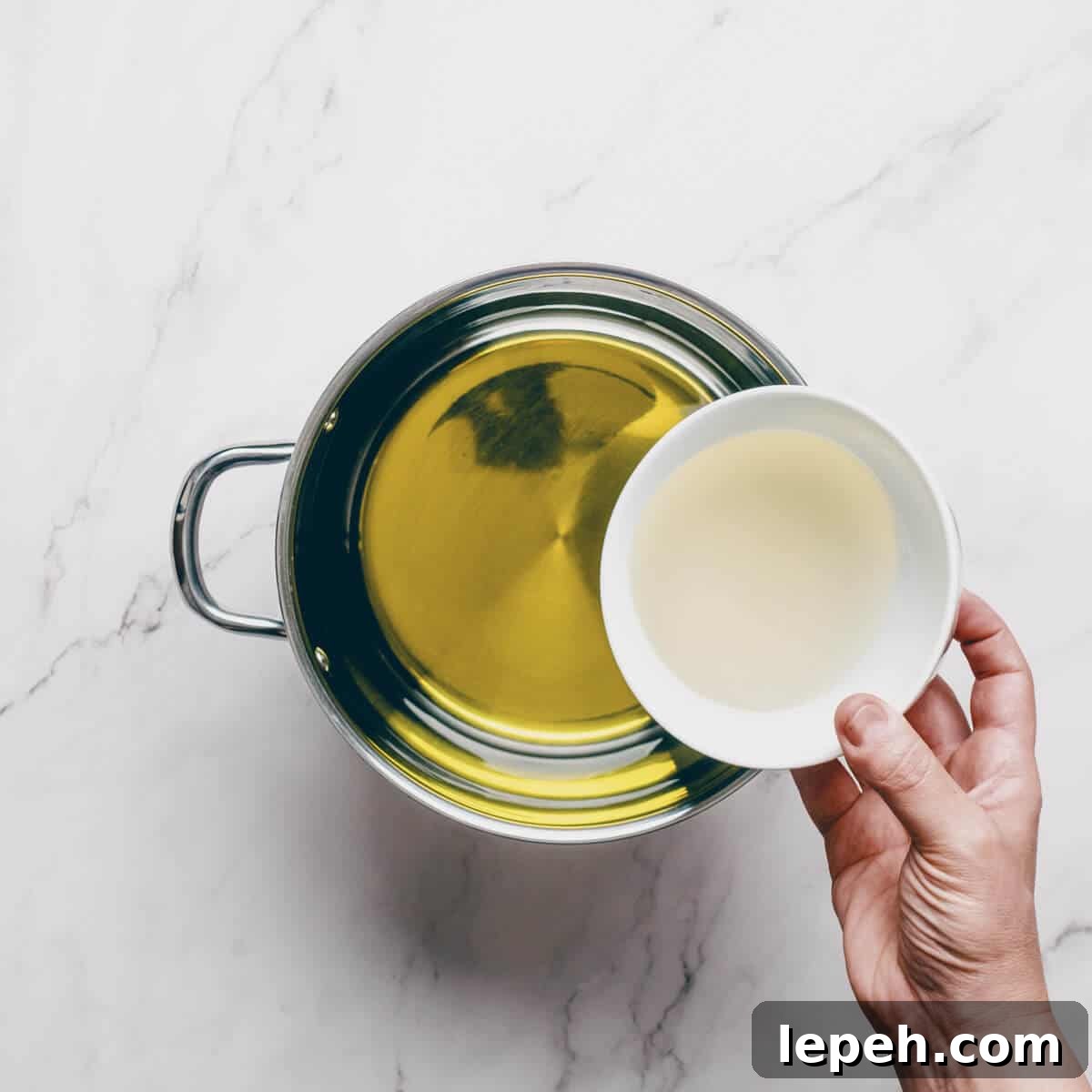
- Step 3: Heat the sunflower and olive oil in a large, deep pot over medium-high heat.
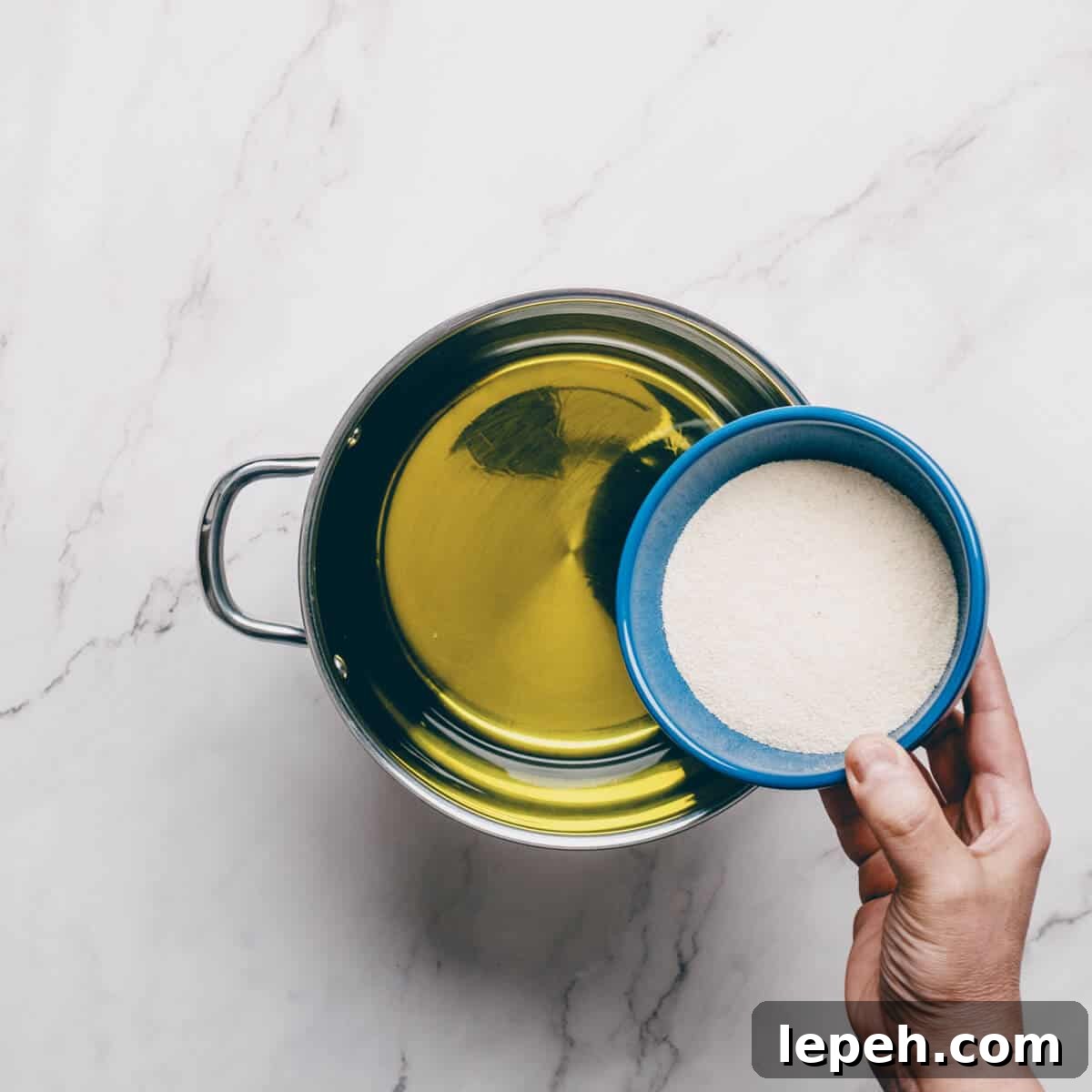
- Step 4: Add the semolina to the hot oil. The mixture will bubble immediately.
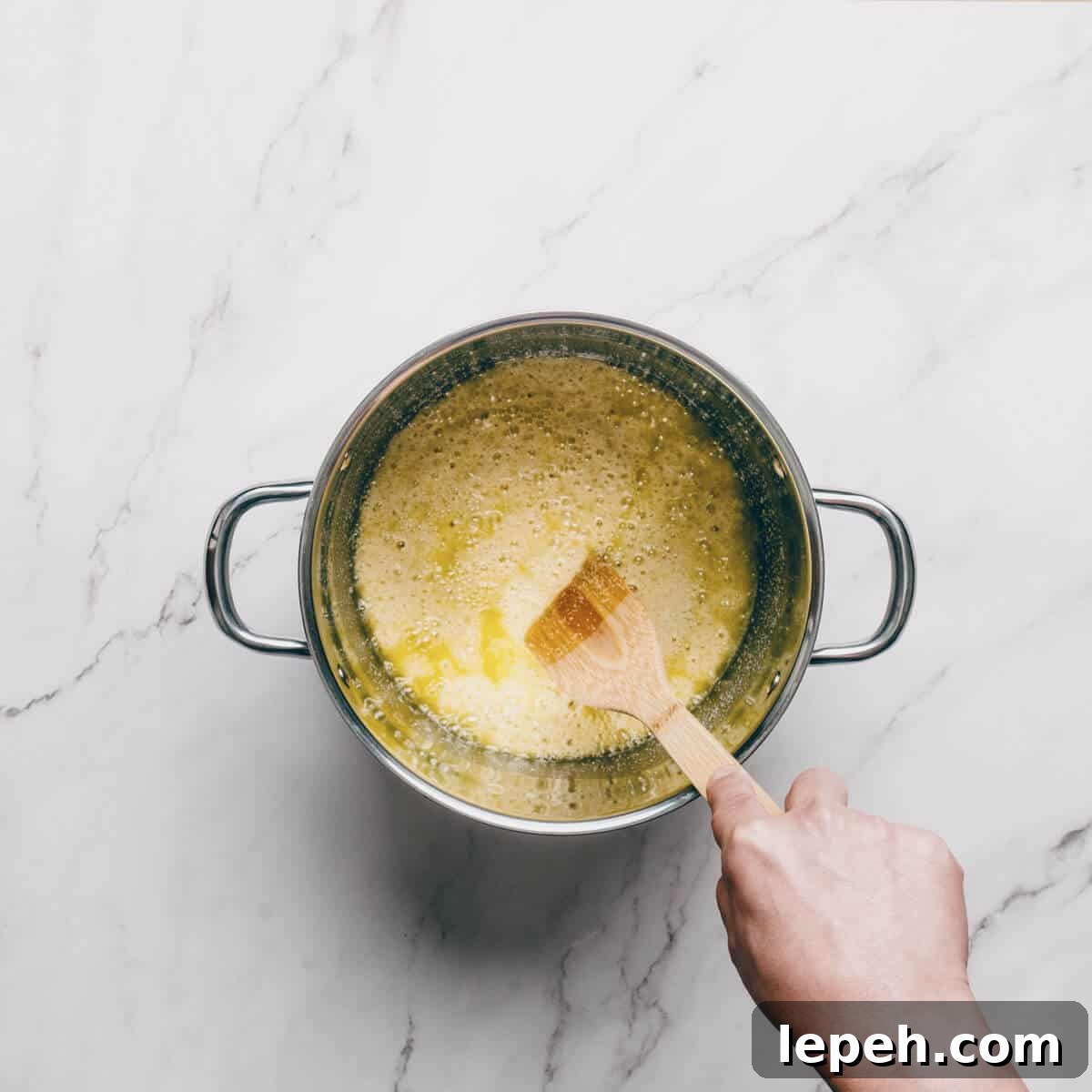
- Step 5: Stir continuously with a wooden spoon until the semolina turns golden brown, about 8–10 minutes.
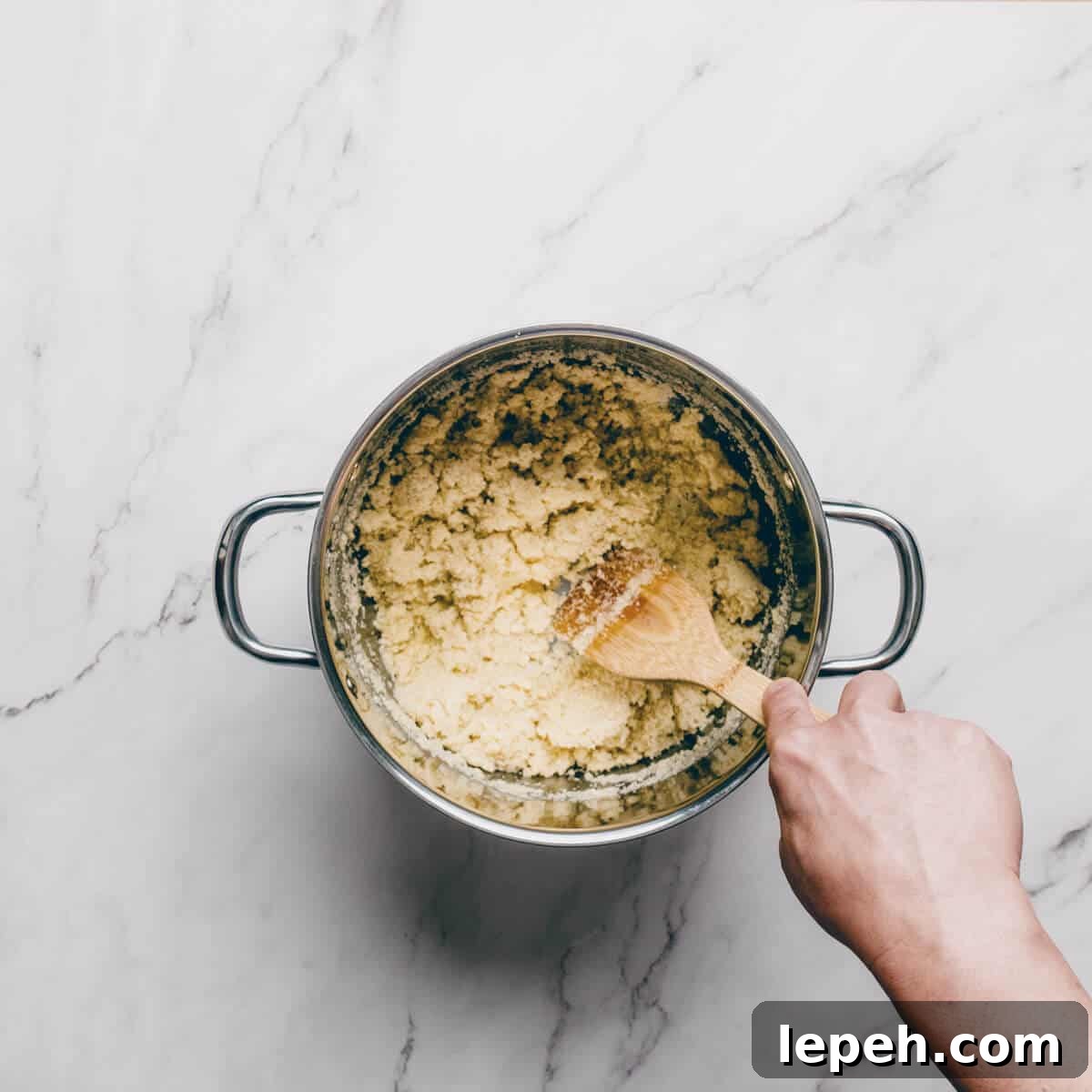
- Step 6: Keep a close eye and stir constantly to prevent burning; burnt semolina will ruin the flavour.
It’s essential to keep stirring; leave the pan unattended and the semolina can burn quickly.
Making the halva
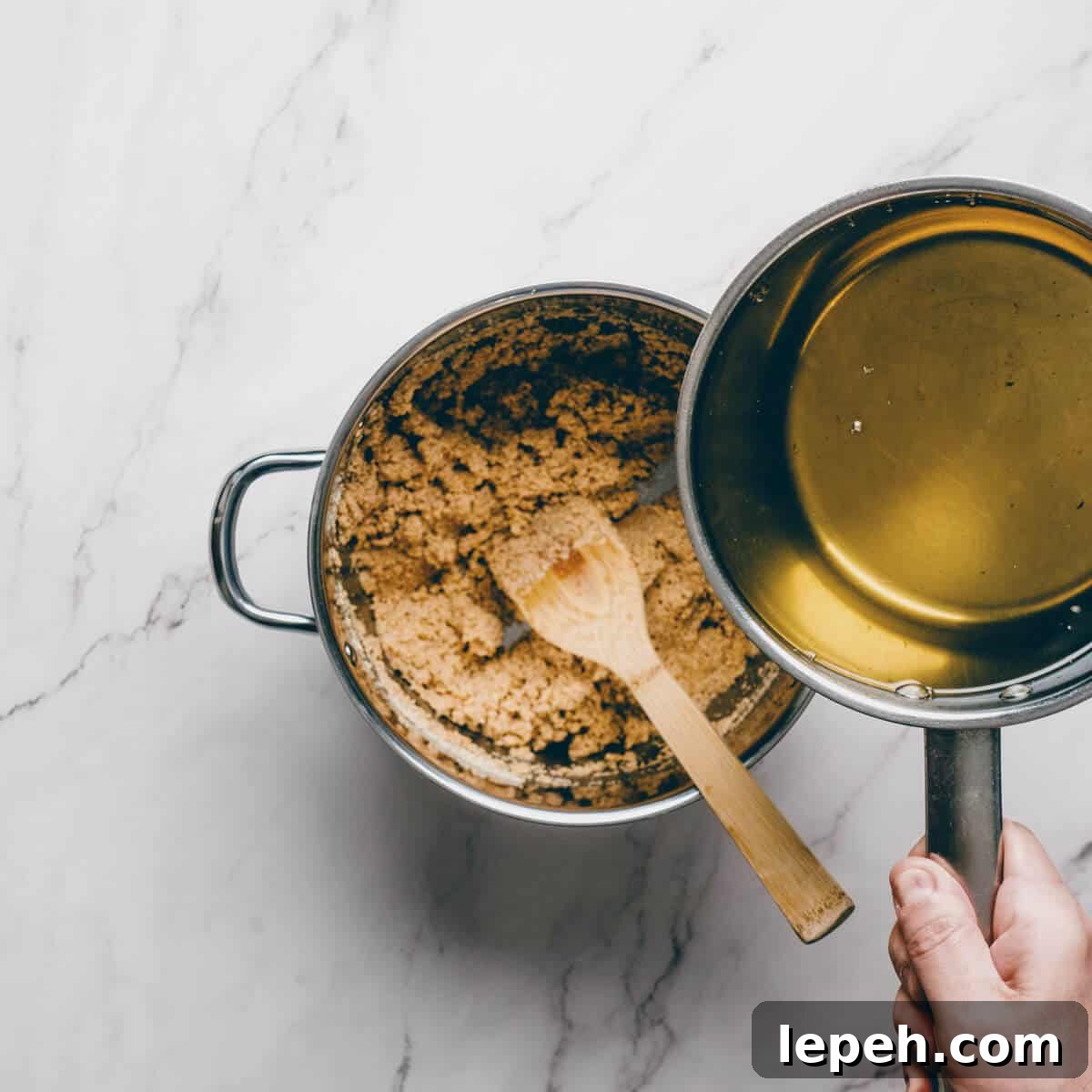
- Step 7: Remove the pot from the heat and slowly add the cooled syrup, taking care to avoid splashes as it will bubble up.
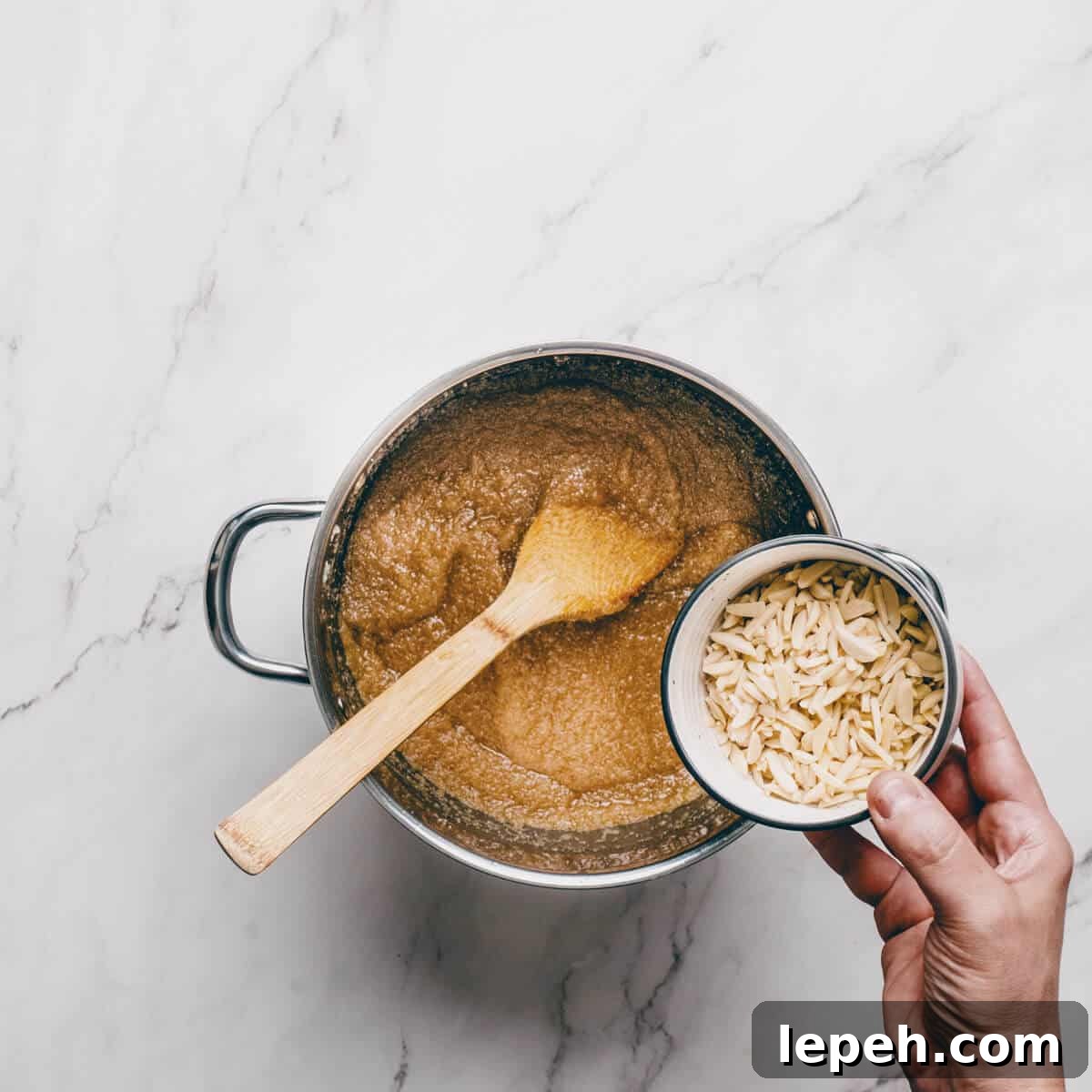
- Step 8: Return the pot to the heat and stir until the mixture thickens and pulls away from the sides, about 10 minutes. Stir in the almonds.
Molding and serving
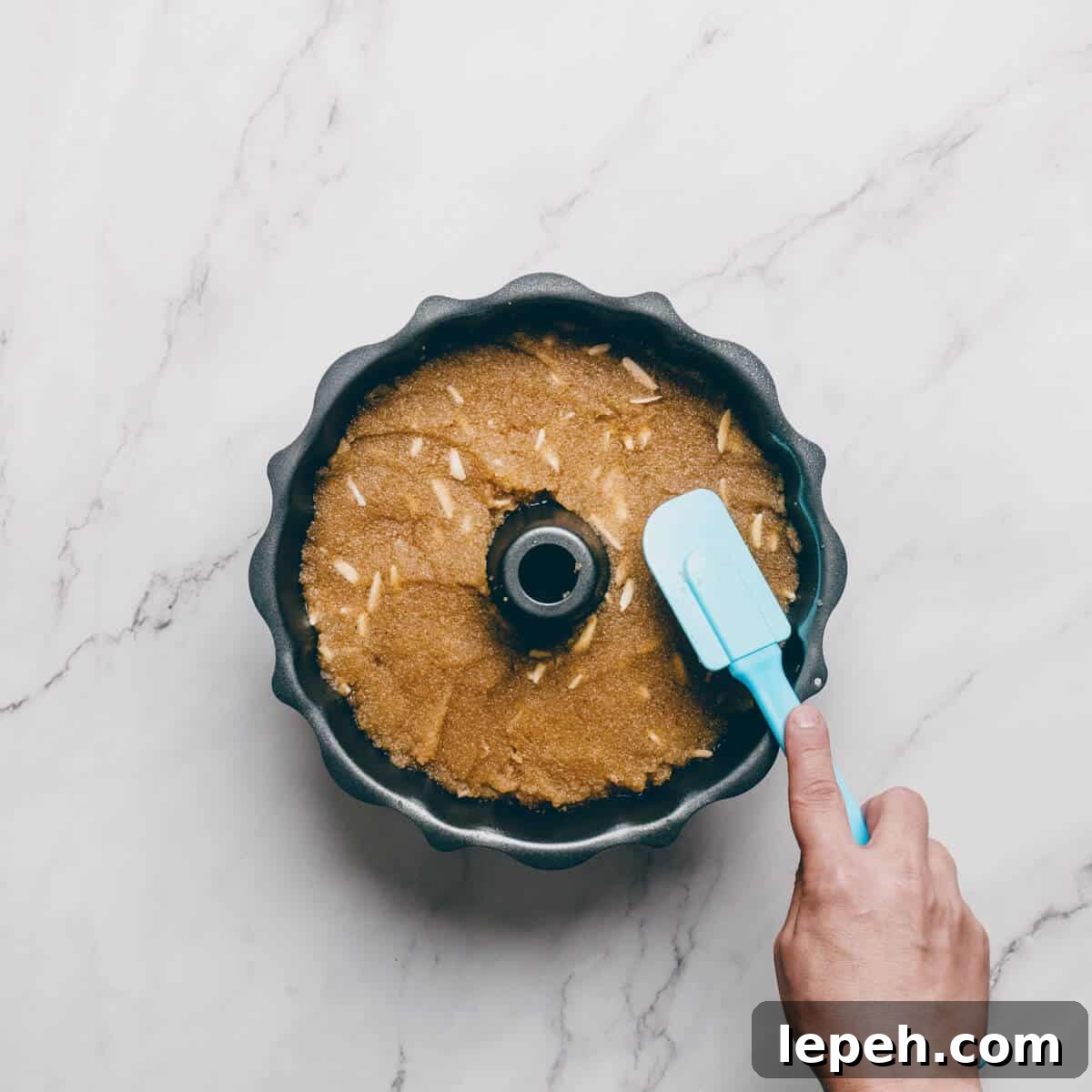
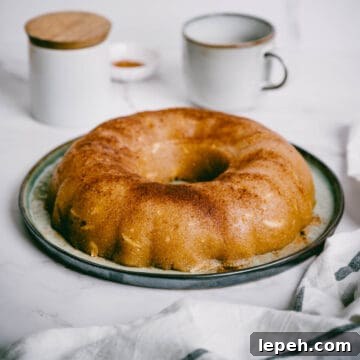
- Step 9: Transfer the halva to a pre-greased bundt pan (about 25 cm / 10″) and smooth the top with a spatula.
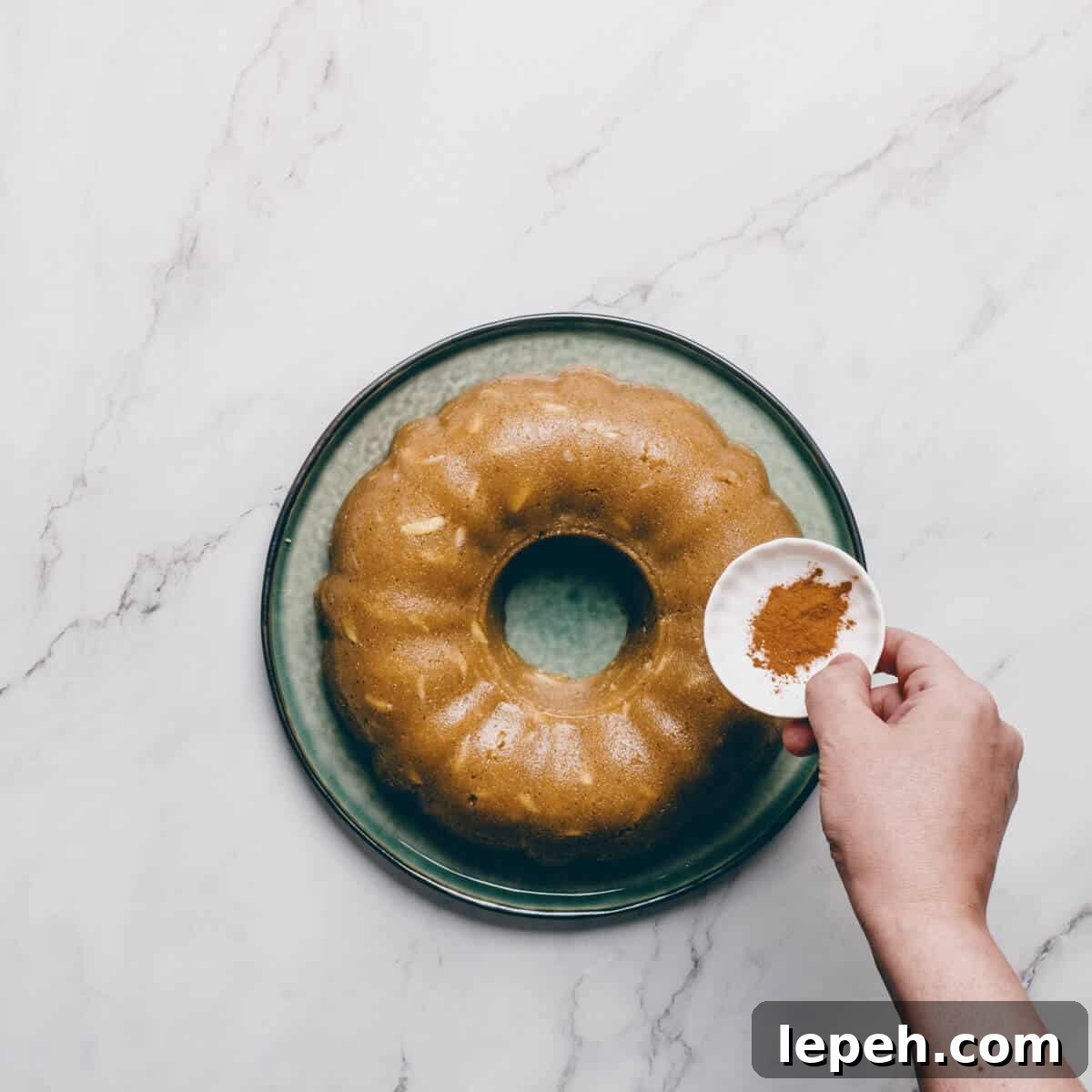
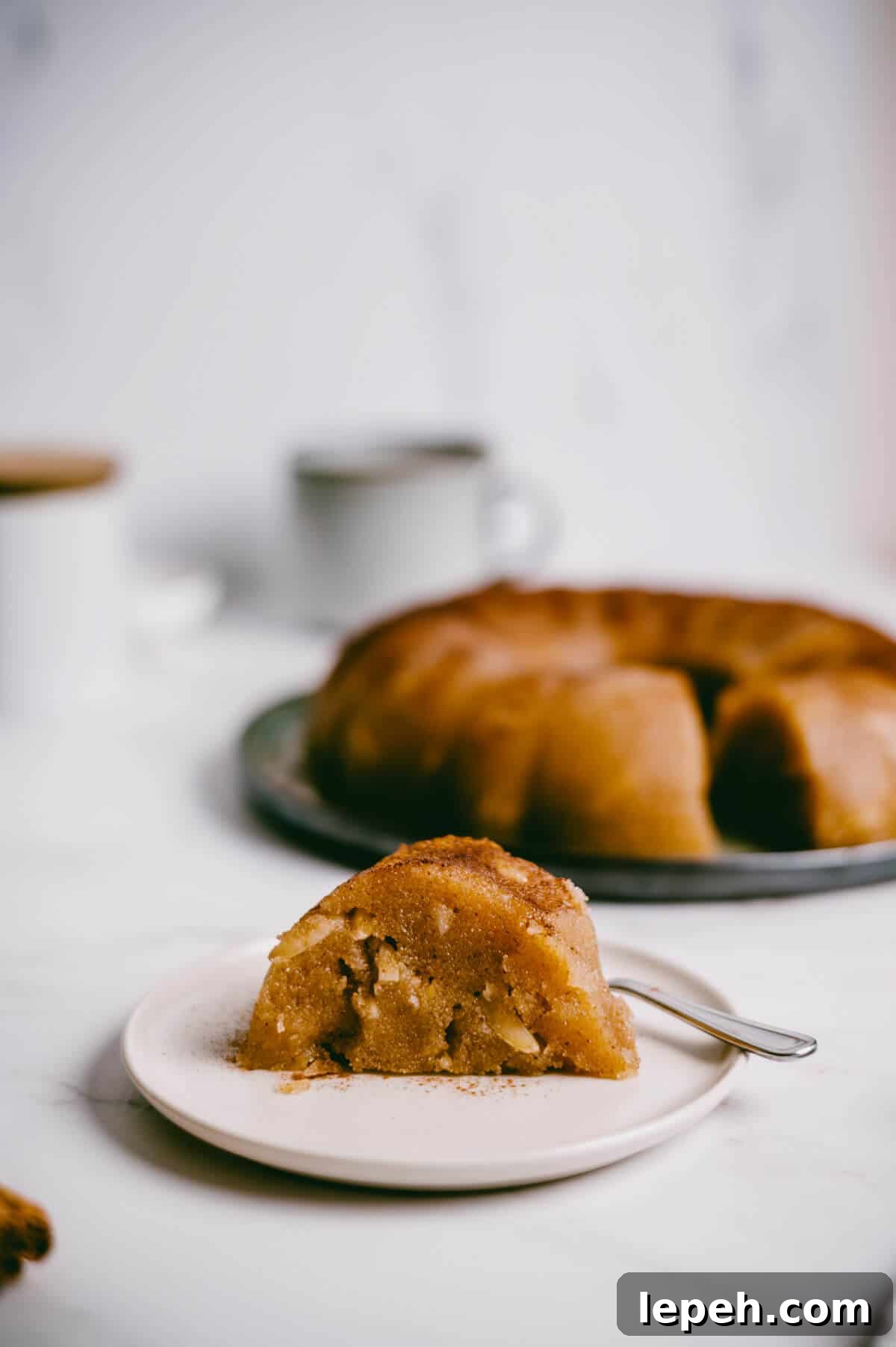
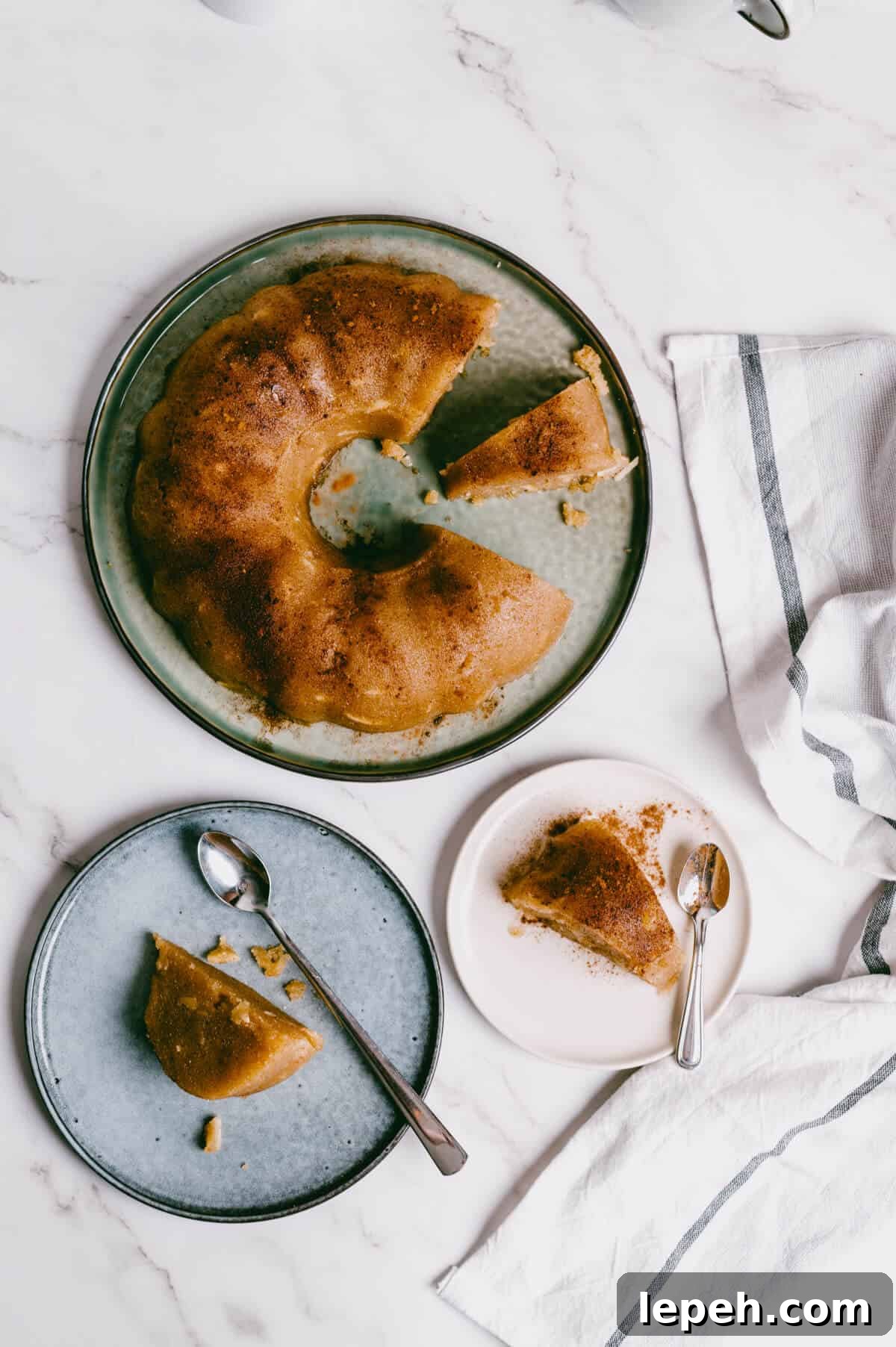
- Step 10: Let it cool, then refrigerate for about an hour to firm. Dust with ground cinnamon before serving.
Expert Tips
- Combine fine and coarse semolina for balanced texture.
- Add 1/4 cup honey to the syrup for extra depth.
- Avoid stirring the syrup while it boils and simmers to prevent crystallization.
- Do not overcook the semolina in oil; it burns easily.
- Be very careful when adding hot syrup to toasted semolina—the mix will splatter and bubble initially.
- If you don’t have a bundt pan, use a loaf tin or individual cups; they firm up well when cooled.
Serving Suggestions
Serve halva with Greek yogurt, a dollop of whipped cream or ice cream. It’s also excellent with a fruit compote for a bright contrast.
Storing
Keep halva in an airtight container in the refrigerator for up to one week.
Recipe FAQs
Yes. It is commonly served in homes and restaurants and traditionally at the start of Lent (Clean Monday).
No. This semolina halva contains no eggs.
Yes. Allow it to cool and chill for a few hours for the best texture and easier slicing.
More delicious Greek sweets
 Greek Biscotti (Paximadia)
-
Galatopita – Greek Milk Pie
-
Melopita | Crustless Greek Honey & Cheese Pie
-
Karydopita – Greek Walnut Cake
📖 Recipe
Greek Halva Recipe (Semolina Pudding)
Ingredients
- 1 litre water
- 600 grams granulated sugar
- 1 orange peel
- 2 cinnamon sticks
- 125 ml olive oil
- 125 ml sunflower oil
- 350 grams semolina (coarse)
- 75 grams slivered almonds
- 1 tsp ground cinnamon
Instructions
- Combine the sugar, water, orange peel and cinnamon sticks in a small saucepan and bring to the boil.
- Reduce the heat and simmer for about 10 minutes. Remove from heat and cool the syrup.
- Heat the sunflower and olive oil in a large, deep pot over medium-high heat.
- Add the semolina to the hot oil; it will bubble immediately.
- Stir continuously with a wooden spoon until the semolina is golden brown, about 8–10 minutes.
- Remove from heat and slowly pour in the cooled sugar syrup, taking care to avoid splashes.
- Return to the heat and stir until thick and pulling away from the pot sides, about 10 minutes. Stir in the almonds.
- Transfer the halva to a greased 25 cm (10″) bundt pan and smooth the top.
- Let cool, then refrigerate for about an hour to firm. Dust with ground cinnamon before serving.
Peter’s Tips →
- Use a mix of fine and coarse semolina for the best texture.
- Add 1/4 cup honey to the syrup for extra flavour.
- Avoid stirring the syrup while it boils to prevent crystallization.
- Do not overcook the semolina in oil to prevent burning.
- Be careful when adding the hot syrup to toasted semolina; it will splatter.
- Any heatproof mold—loaf tin or individual cups—works if you don’t have a bundt pan.
Nutrition
Carbohydrates: 59 g |
Protein: 4 g |
Fat: 18 g
Nutrition information is approximate and provided as a courtesy.
© Souvlaki For the Soul
This post was first published in August 2008 and updated with new information and photos in May 2023.