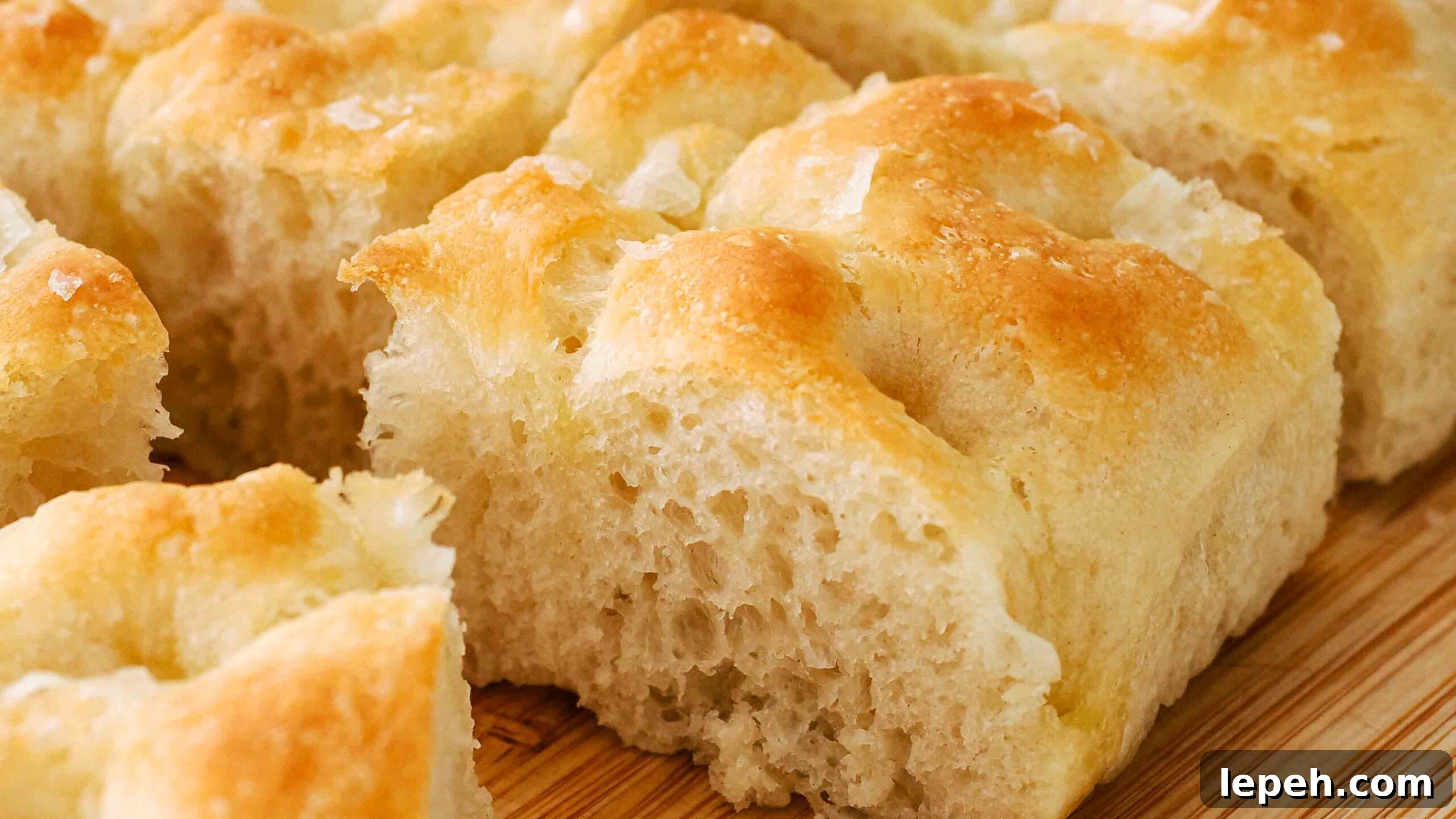
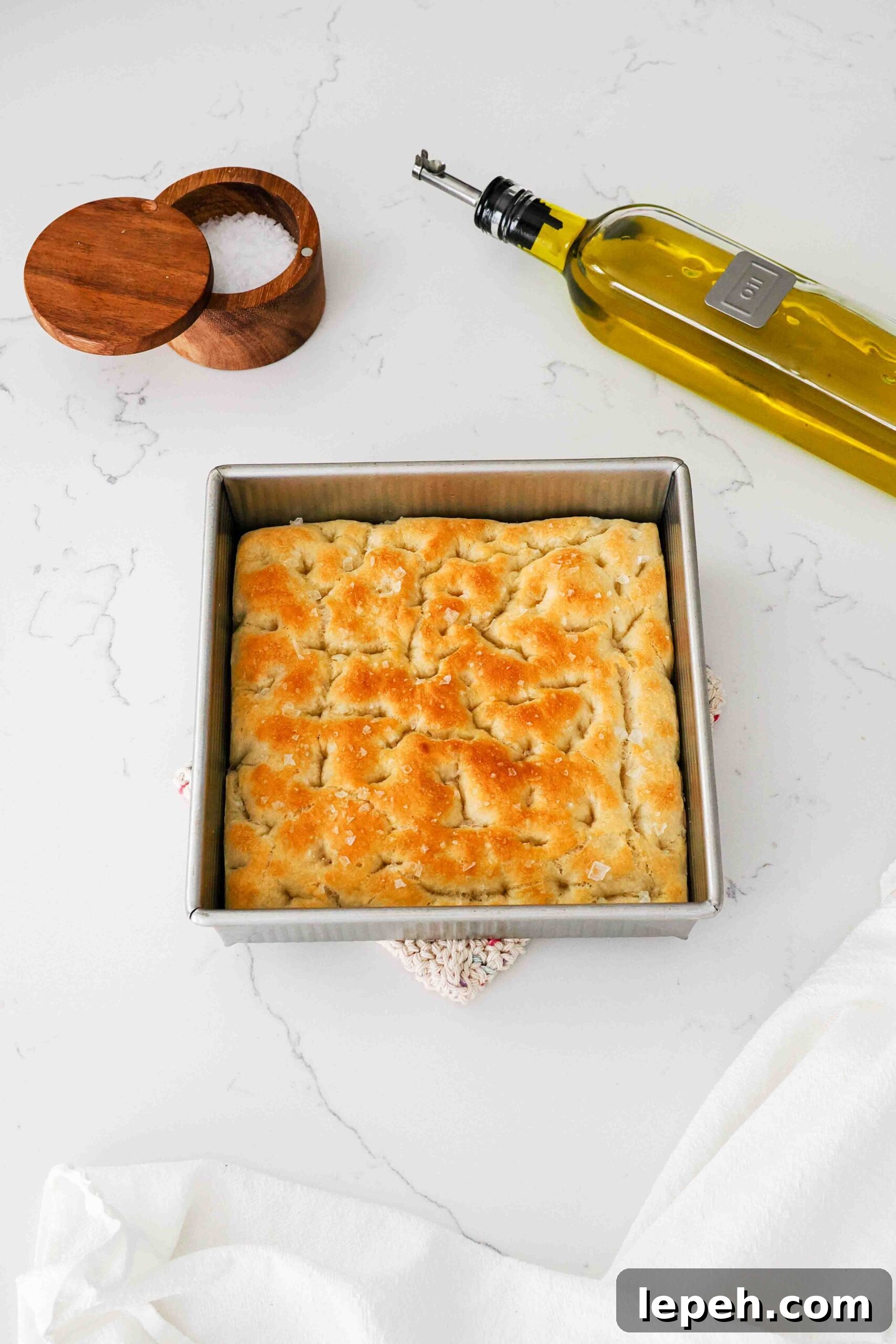
Few things beat warm bread straight from the oven, and this small-batch focaccia is a perfect example. It yields a fluffy, olive oil–kissed loaf that serves 2–4 people—ideal for small families, date nights, or a simple dinner for two. Serve it alongside soups, salads, or pasta, or slice it for sandwiches. The topping is simple: a generous drizzle of olive oil and a scattering of flaky salt for maximum flavor.
This recipe is a no-knead focaccia made with only seven ingredients and a few easy stretch-and-folds instead of strenuous kneading. The method is similar to sourdough techniques but much quicker, so you can confidently make fresh focaccia on a weeknight. I find it so easy and reliable that I’ve made it several times recently!
Ingredients for Small Batch, No-Knead Focaccia
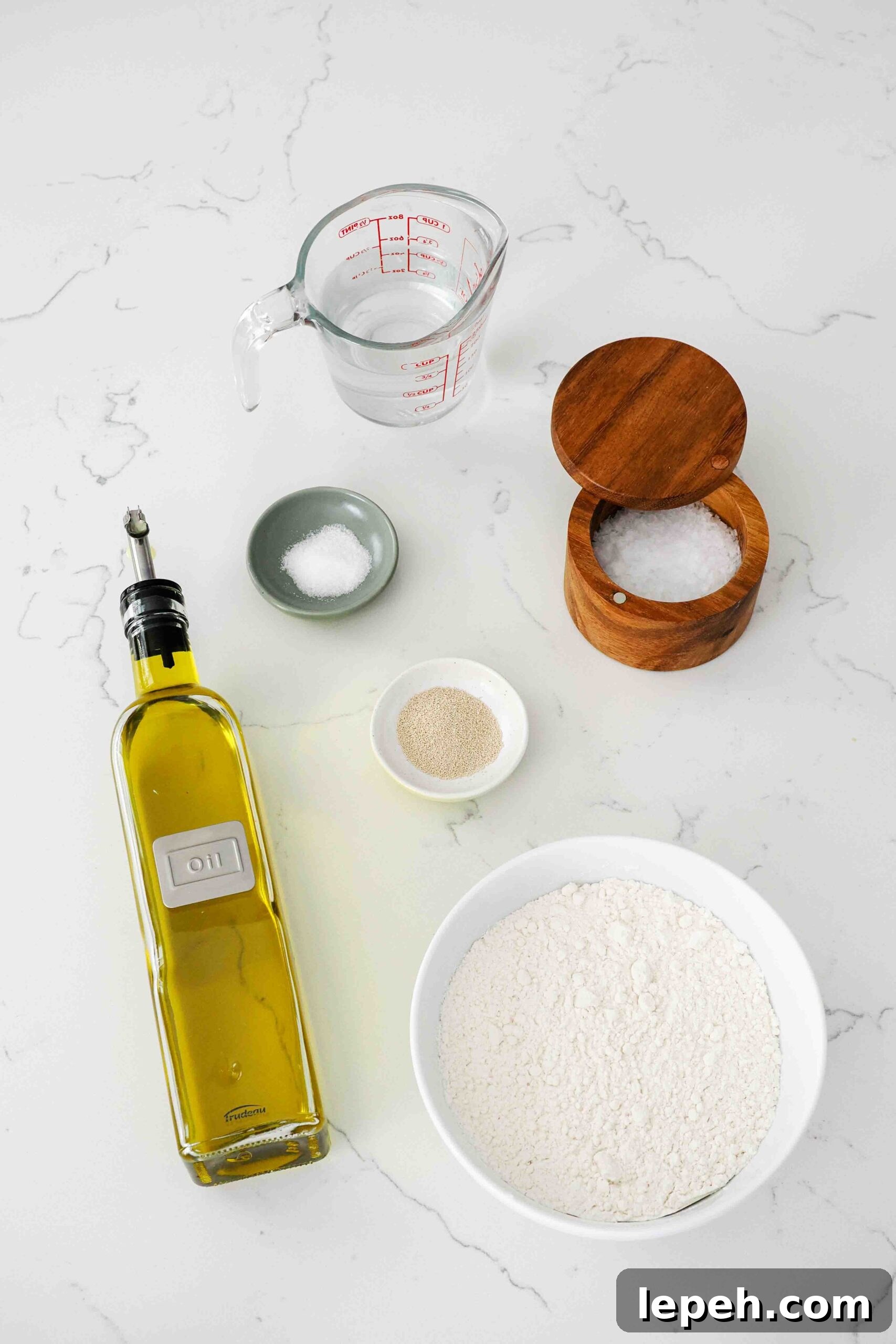
This focaccia uses a lean dough—yeast, water, flour, and salt—plus olive oil for flavor and flaky salt for finishing. Because the olive oil and salt contribute so much to the final taste, choose good-quality ingredients when you can.
- Active dry yeast. This recipe is written for active dry yeast, but you can swap in instant yeast if preferred—adjustments may be needed.
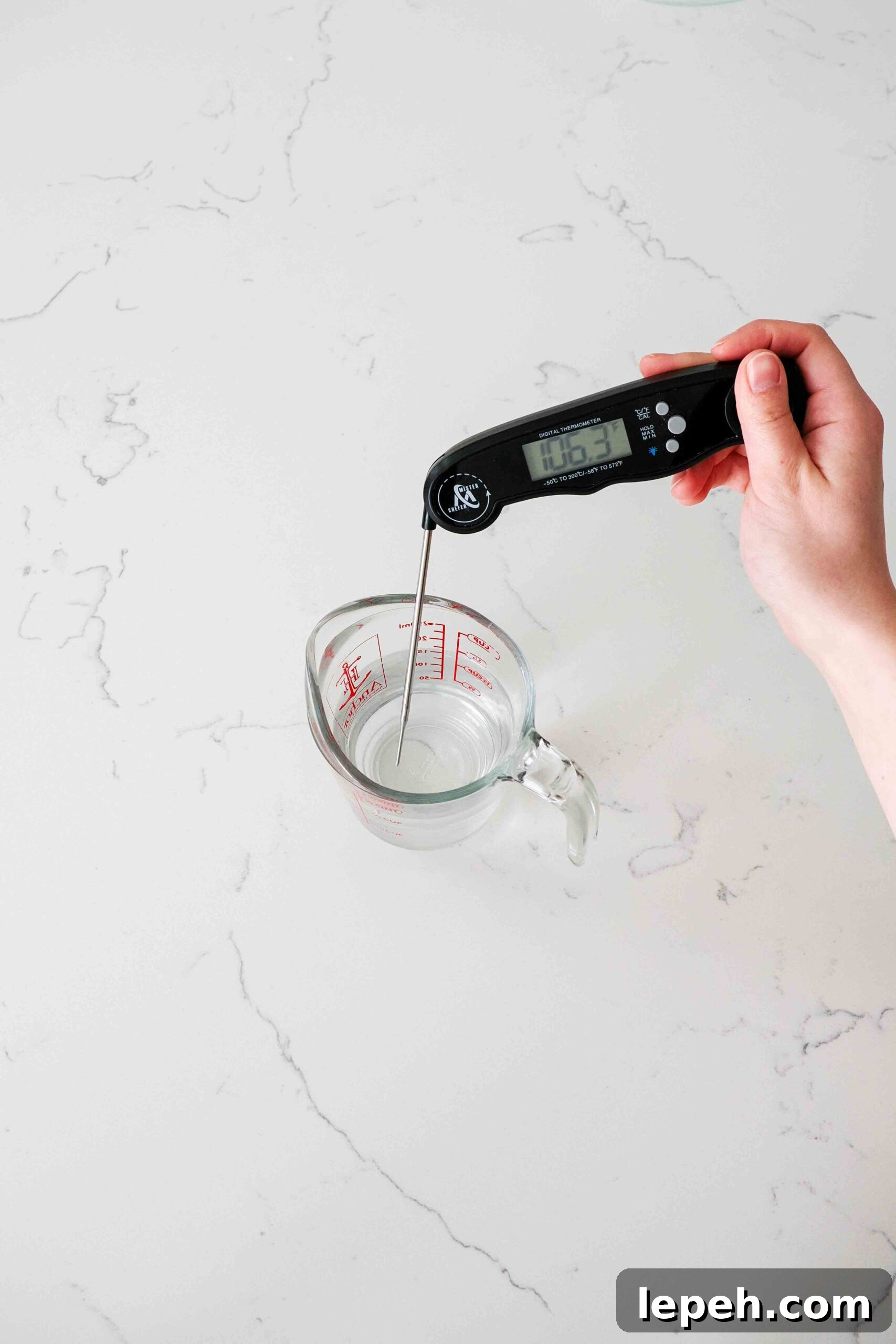
- Warm water. Aim for about 105–110°F (40–43°C) to help activate the yeast. Measuring water by weight improves consistency.
- All-purpose flour. Weighing your flour yields the most reliable results; if you use cups, fluff then spoon and level the flour.
- Sea salt. Any fine salt will work if you don’t have sea salt on hand.
- Olive oil. A good-quality olive oil makes a noticeable difference in flavor. Use some in the dough/pan and more on top before baking.
- Flaky salt. Sprinkle flaky salt over the baked loaf for the signature crunchy, pyramid-like crystals.
How to Make Small Batch Focaccia
Focaccia is straightforward and beginner-friendly. Below are the key techniques to produce a light, open crumb and a crisp, olive oil–rich crust.
Make the Dough
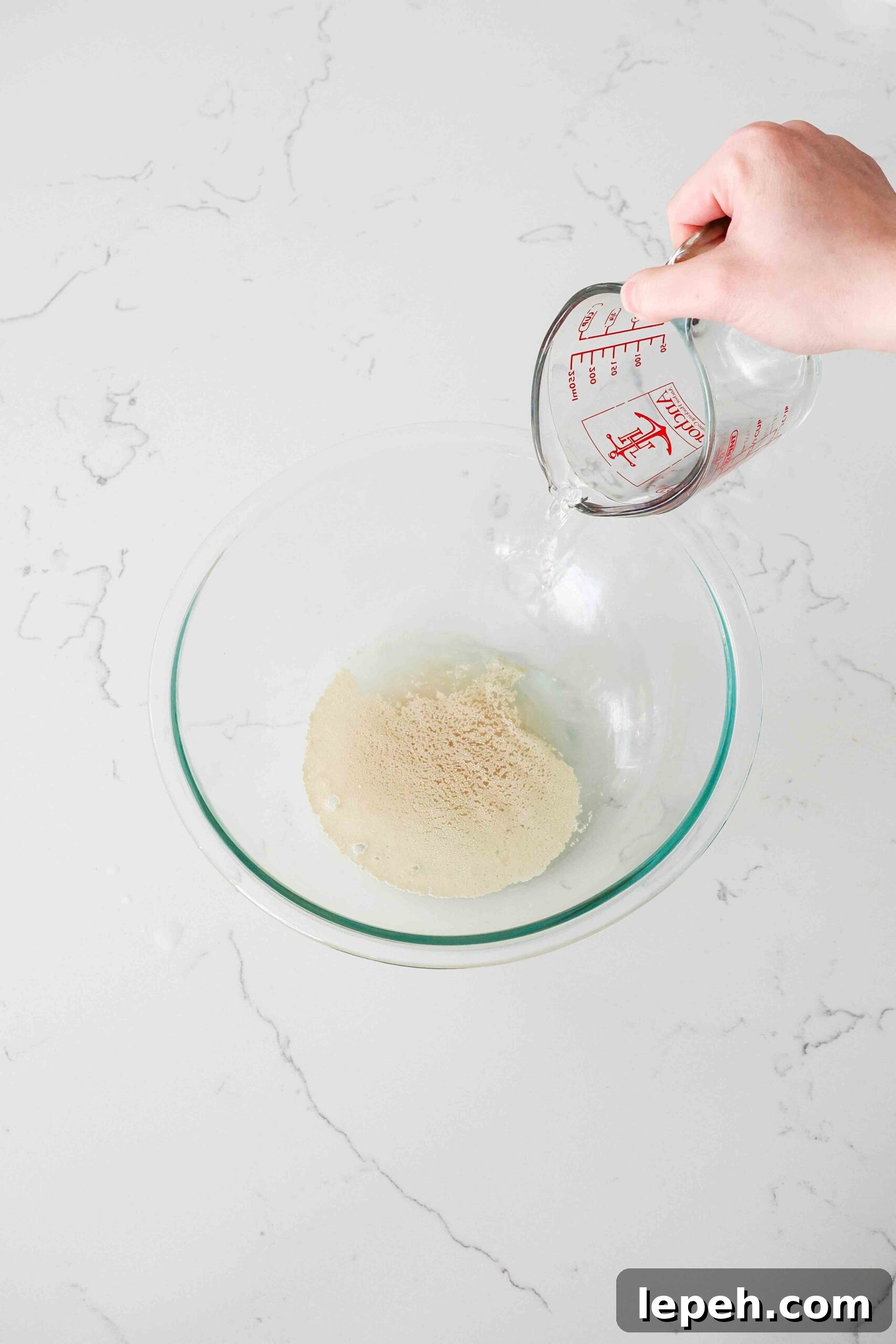
Begin by blooming the yeast: pour warm water (about 105°F/40°C) over the yeast in a medium bowl and let it sit for about five minutes until foamy. When bubbly, add the flour and salt and stir until a shaggy, sticky dough forms. A flexible bench scraper or wooden spoon works well—hands are fine too. Shape the dough into a rough ball to prepare for stretching and folding.
Stretch-and-Fold (No Knead)
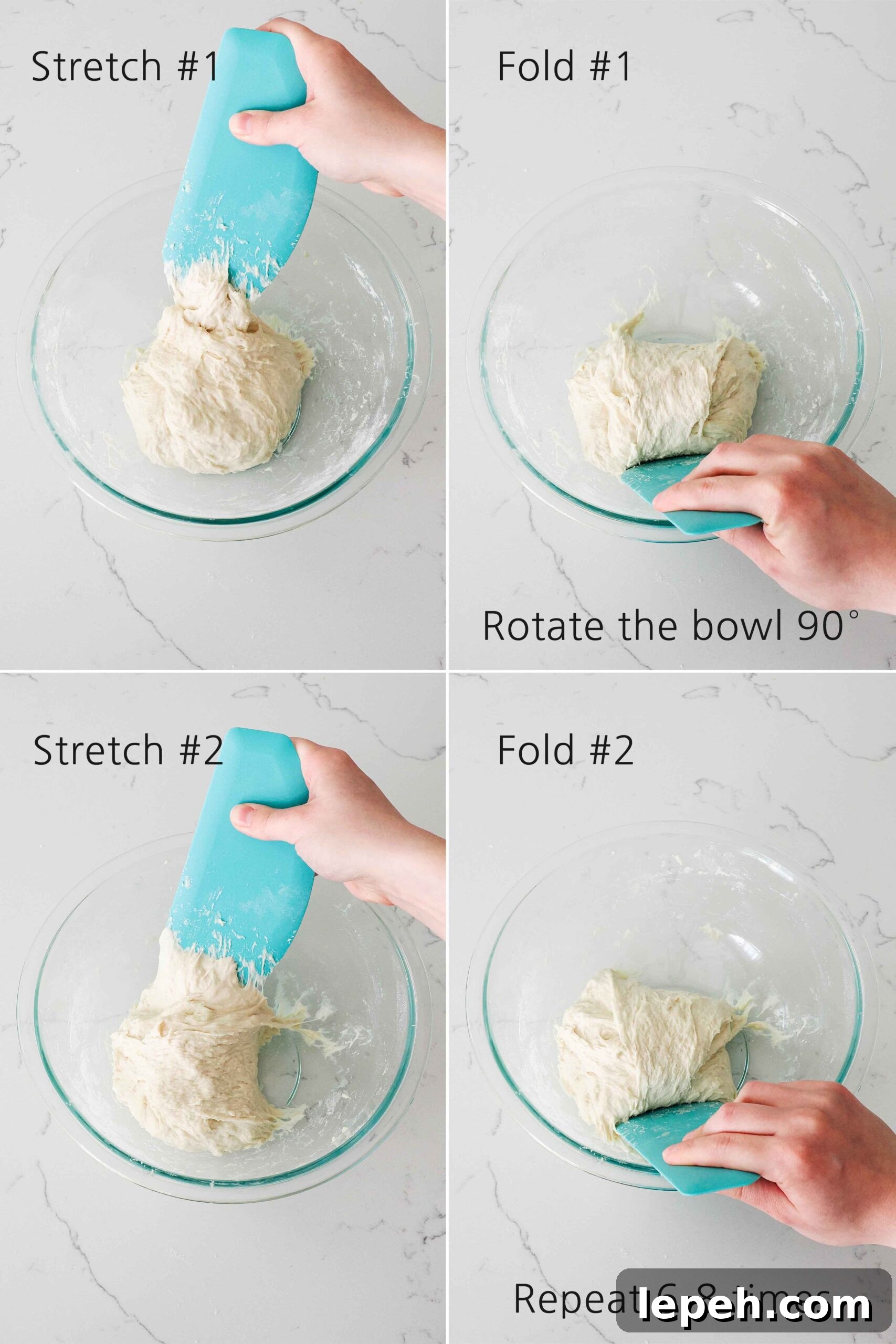
Folding develops gluten with far less effort than kneading and helps create a more open crumb. To fold, slide your fingertips, a spoon, or a bench scraper under the dough on the side opposite you, lift and pull the sticky dough toward you, then press it down into the nearest side. Rotate the bowl 90° and repeat 8–10 times until the dough becomes smoother and slightly taut. As you work it, the dough will go from sticky to tacky and gain stretch.
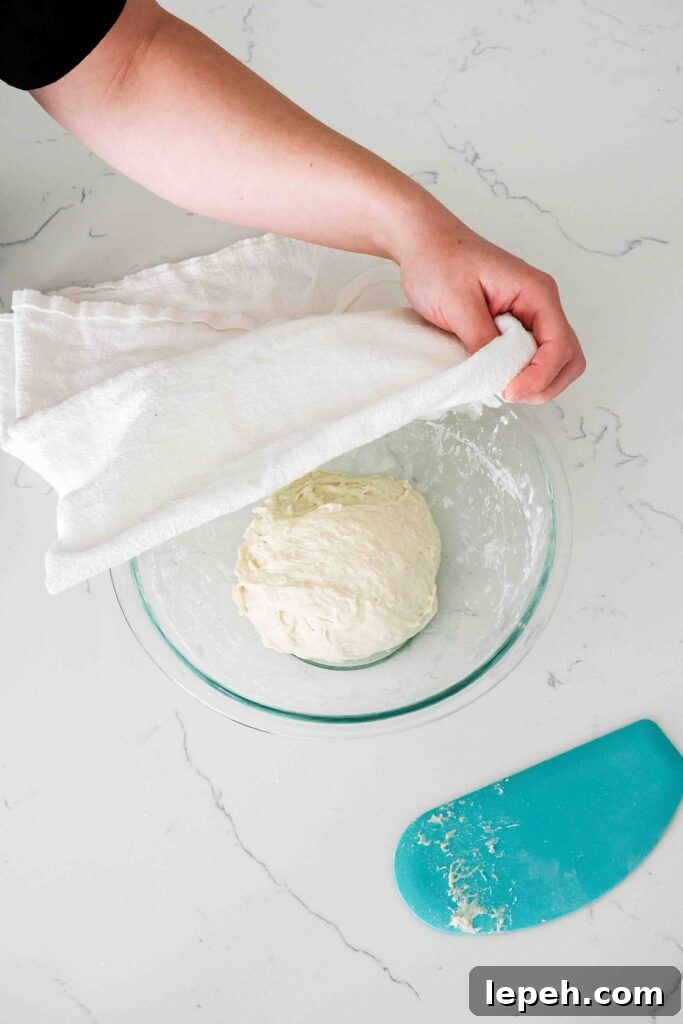
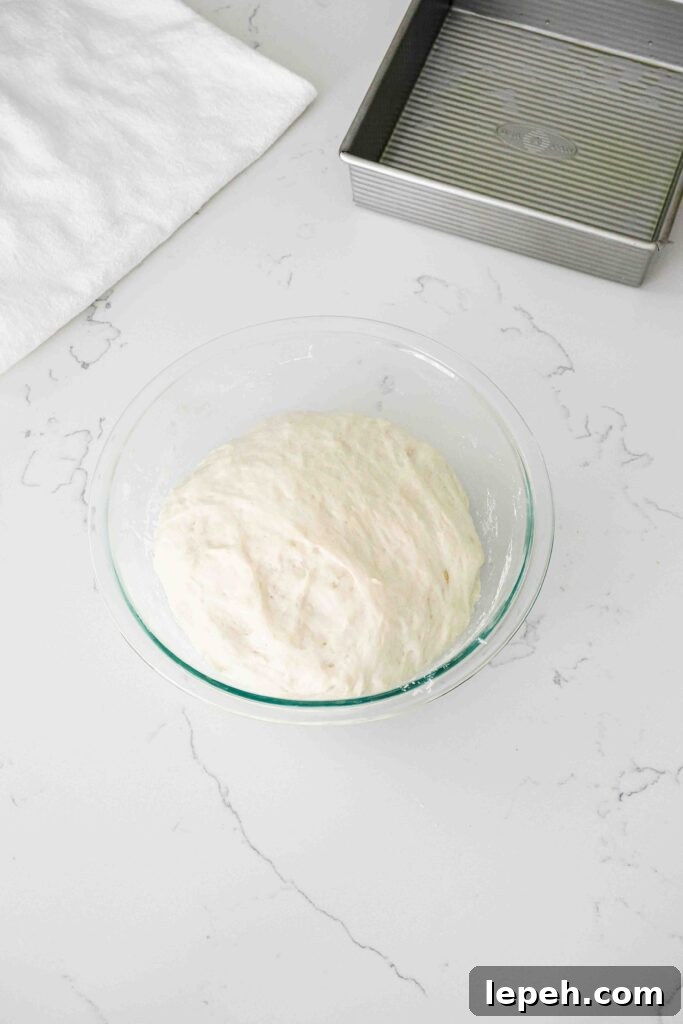
Cover the bowl and let the dough rise in a warm spot about an hour (or refrigerate overnight) until puffy and roughly doubled.
Shape the Dough in a Square Pan
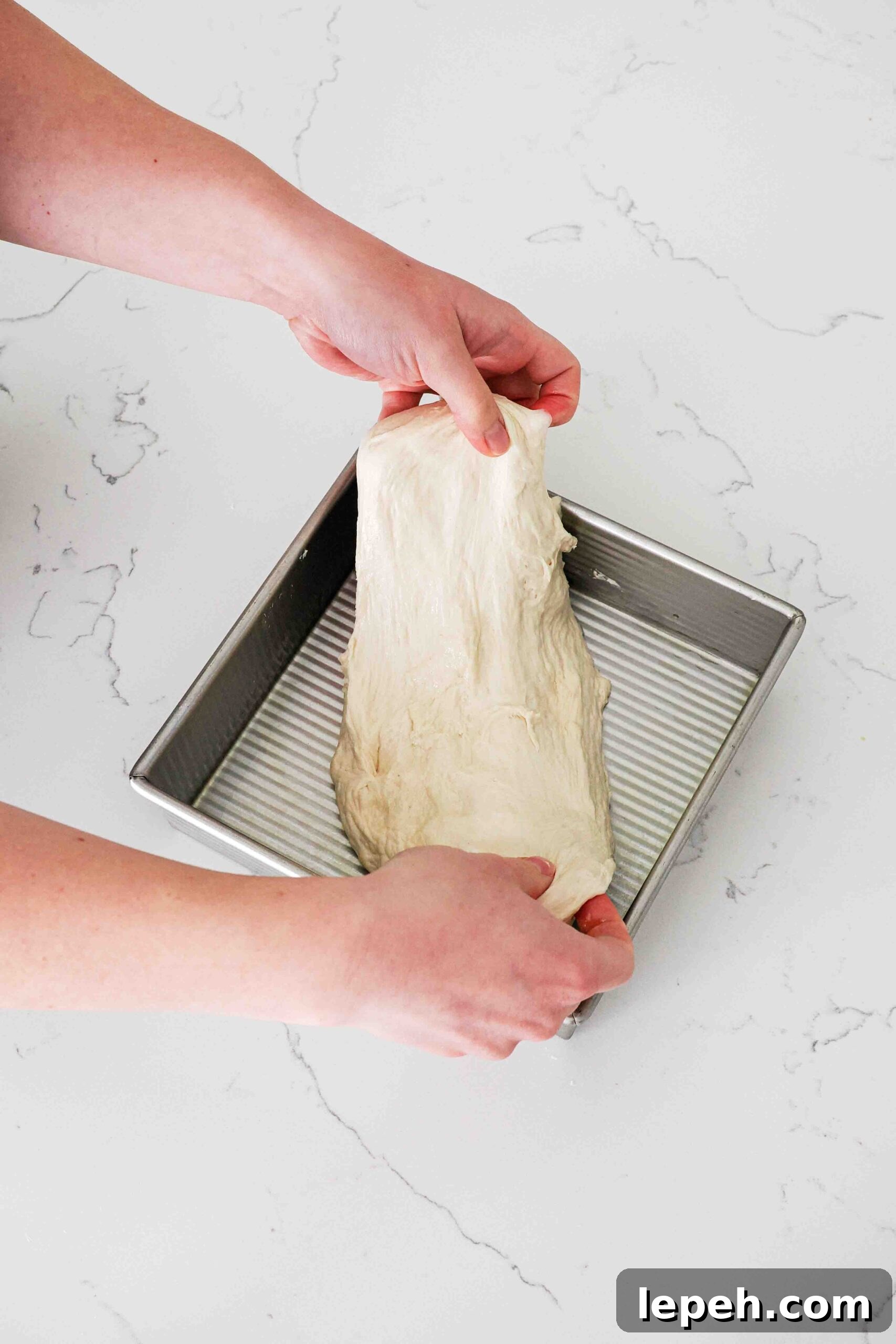
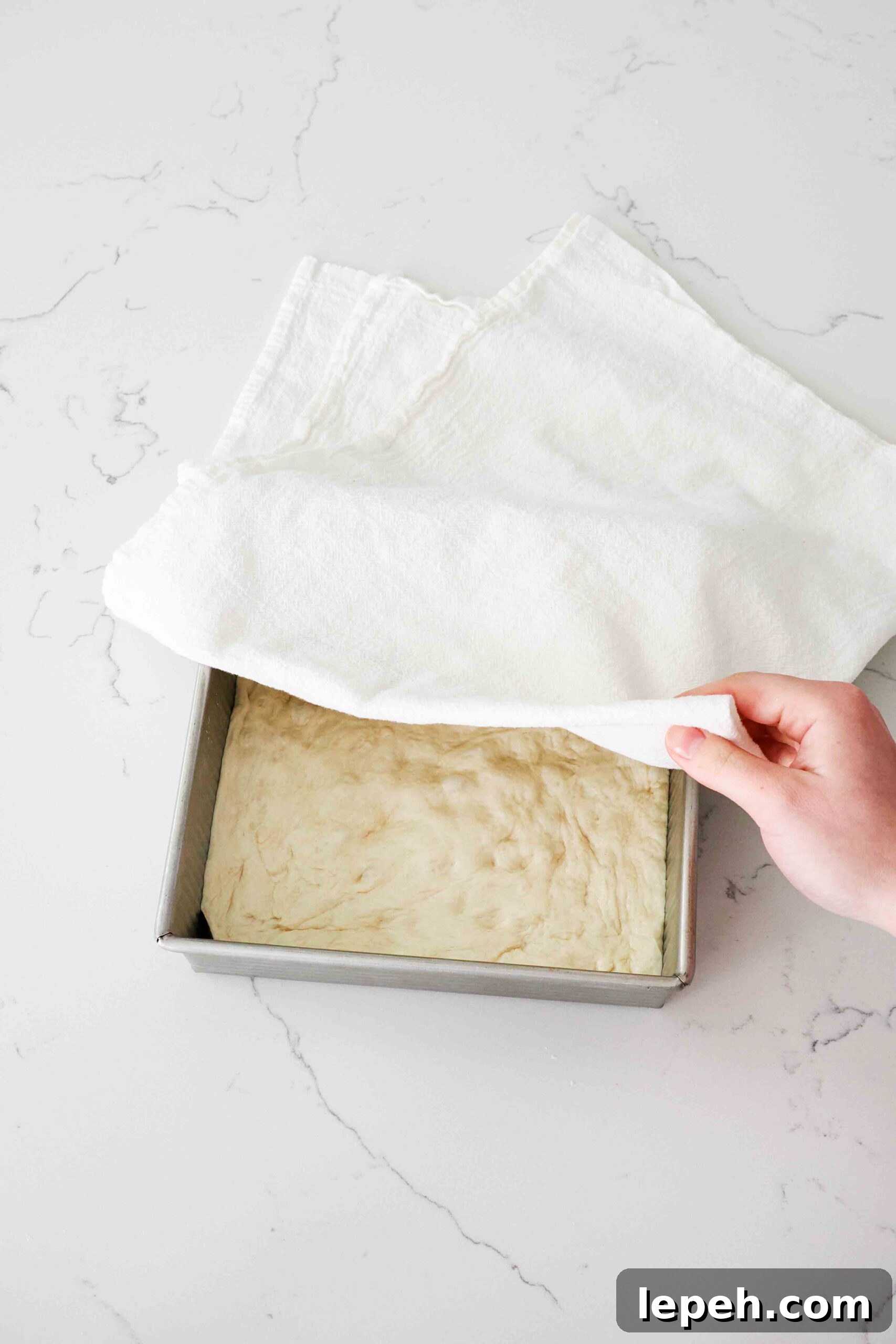
Pour enough olive oil into an 8″ (20 cm) square pan to coat the bottom—more oil yields a crispier bottom crust. Transfer the dough to the pan and gently coax it toward the edges with lightly oiled fingertips. If it resists, let it rest a couple of minutes to relax the gluten, then continue stretching. Small tears are okay; try to push thicker dough into thin spots rather than pulling.
When the dough mostly covers the pan (minor gaps in corners are fine), cover and let it rise a second time for 30–40 minutes until puffy with visible air bubbles.
Finish and Bake
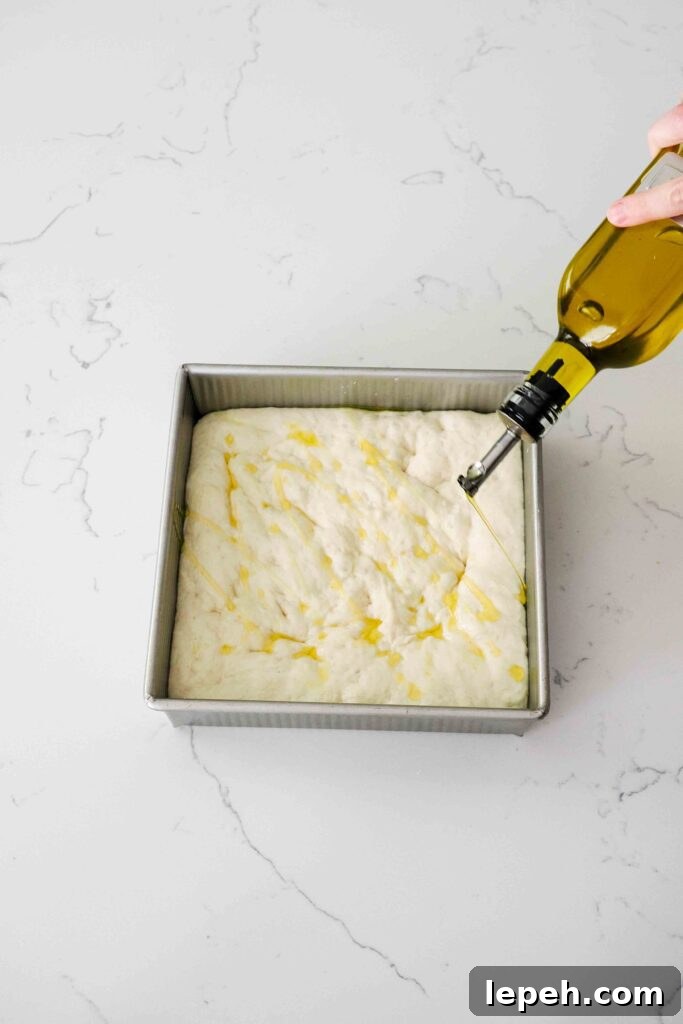
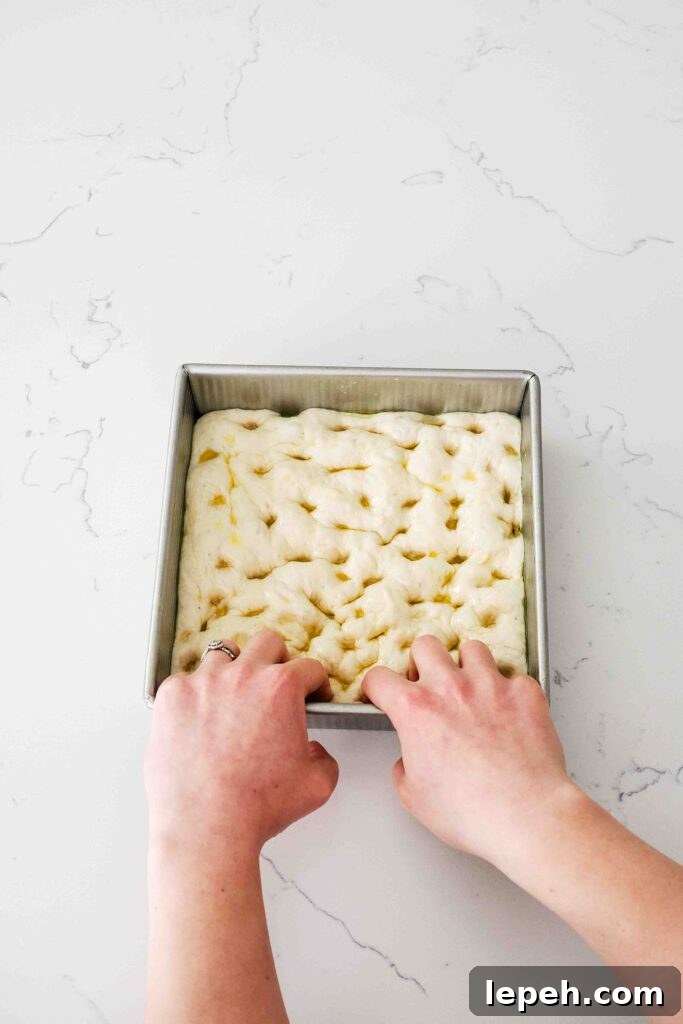
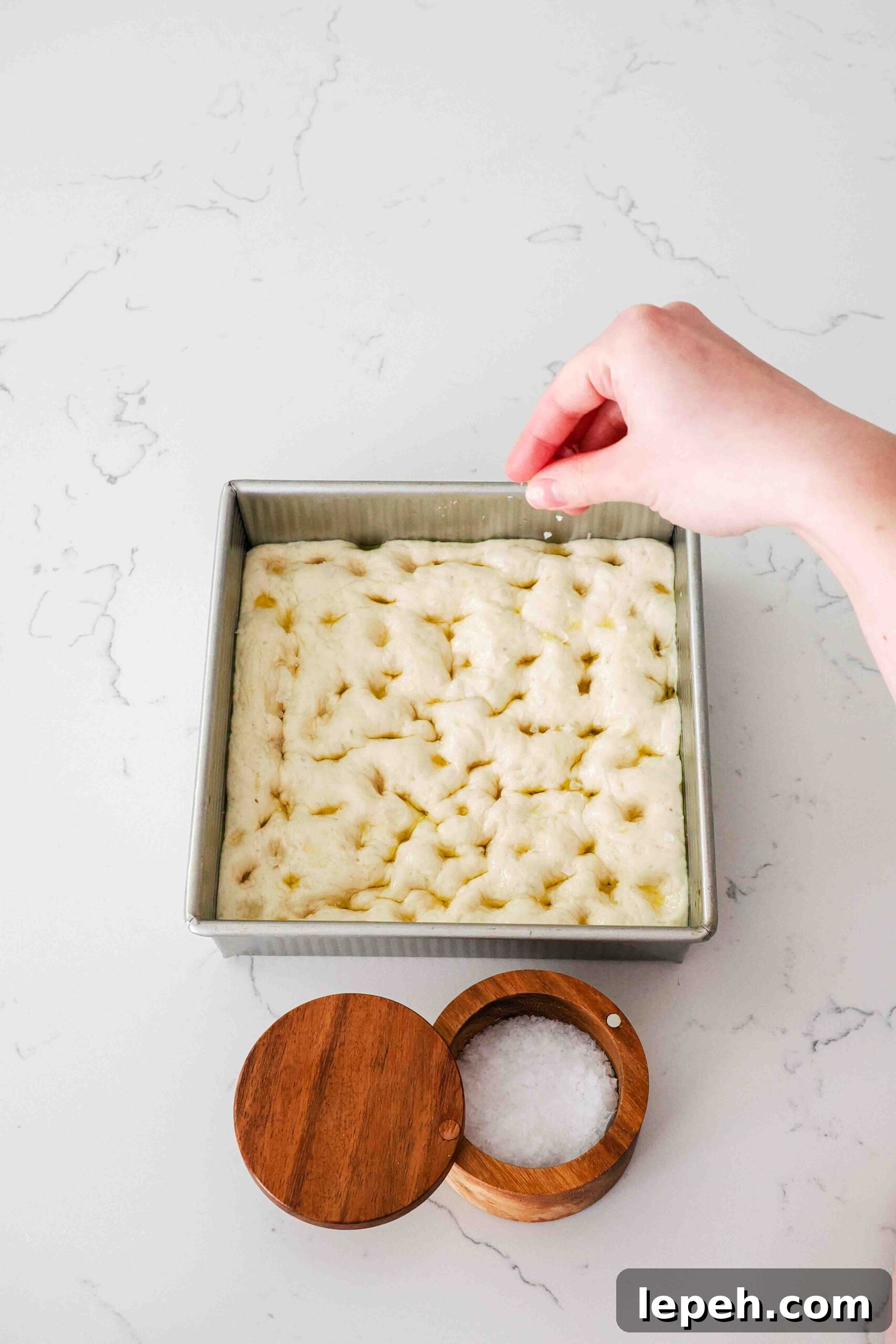
When the loaf is puffy, drizzle 1–2 Tablespoons of olive oil over the top, then dimple the dough with your oiled fingertips by pressing straight down to the pan and back up. The dimples help the bread keep its shape and allow the oil to seep into the crumb. Sprinkle with flaky salt.
Preheat the oven to 425°F (220°C). Place a roasting pan with about 1/2 to 1 inch of water on the bottom rack to create steam—this helps the dough expand early in the bake. Bake the focaccia for about 10 minutes with the steam, then remove the pan of water and continue baking 5–10 minutes until the top is a deep golden brown. Let the loaf cool in the pan for at least 15 minutes before slicing.
FAQs about Small Batch Focaccia
Use an olive oil you enjoy. Extra-virgin olive oil adds the most flavor; you can also infuse oil with herbs to customize the loaf.
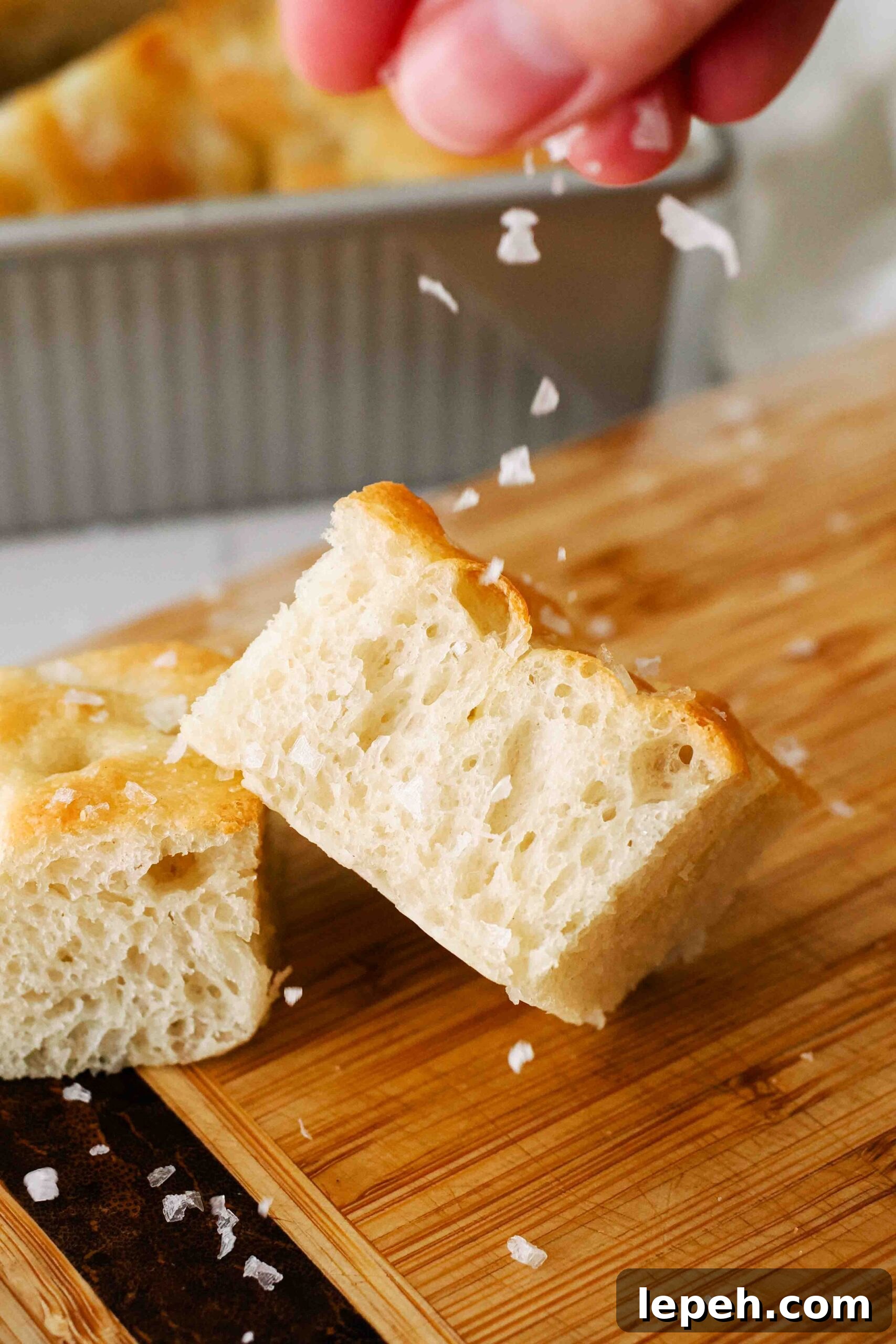
Focaccia is best the same day. Leftovers keep up to three days at room temperature in an airtight container or lightly covered; flaky salt will soften over time but remains tasty.
Store at room temperature for up to three days. For best texture, rewarm briefly before serving.
Other Recipes You May Enjoy
This small-batch focaccia pairs wonderfully with simple pasta dishes, creamy soups, or pan-seared fish. If you prefer garlicky bread, consider trying twisted garlic breadsticks or garlic French bread for more bold flavors.
Dish Cleanup: Not Too Bad
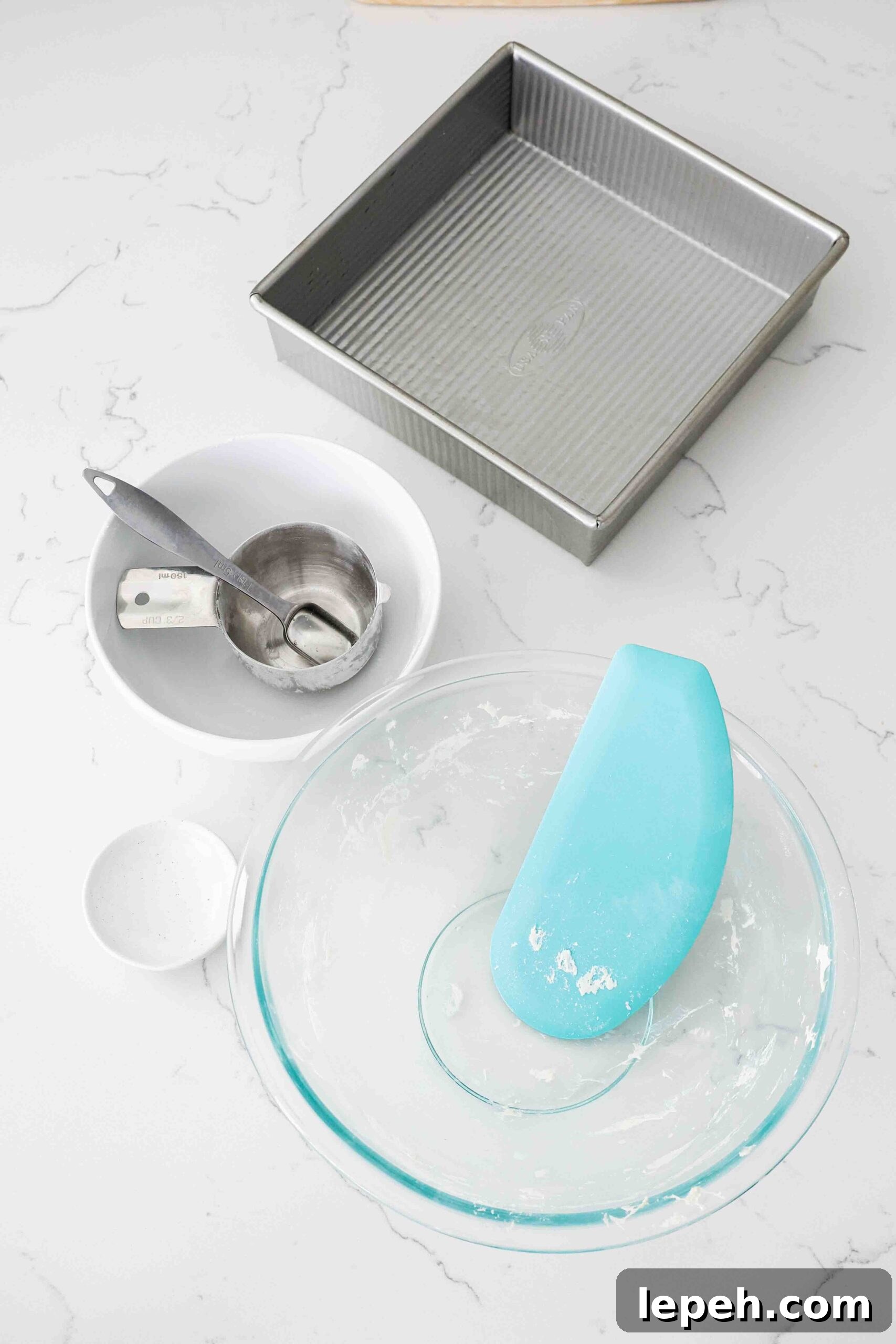
I rate cleanup for this recipe as easy. You’ll typically use one mixing bowl, the pan, and a couple of measuring tools—nothing excessive. Dried dough can be a nuisance, so a quick soak helps remove residue easily.
Small Batch Focaccia Recipe
Thanks for reading! If you try this focaccia, please leave a review to share how it turned out.
Easy Small Batch Focaccia
Ingredients
- 1 teaspoon (4 g) active dry yeast
- 3/4 cup (175 ml) warm water, about 105°F/40°C
- 1 2/3 cups (240 g) all-purpose flour
- 3/4 teaspoon (5 g) sea salt
- 2–3 Tablespoons (30–45 ml) olive oil, divided
- 1–2 teaspoons flaky salt for topping
Instructions
Making and Folding the Focaccia Dough
- Add the yeast to a medium bowl and pour the warm water over it. Let sit 5 minutes until the yeast is foamy.
- Add the flour and sea salt to the yeast mixture and stir until a shaggy, sticky dough forms. Use a bench scraper, spoon, or your hands.
- Perform stretch-and-folds: lift the dough from the side farthest from you and fold it toward the center. Rotate the bowl 90° and repeat about 8–10 times until the dough becomes smoother and holds its shape.
- Cover and let rise in a warm place about 1 hour, or refrigerate overnight until puffy and roughly doubled.
- Pour at least 1 Tablespoon olive oil into an 8″ (20 cm) square pan to coat the bottom (more oil creates a crispier crust).
- Transfer the dough to the oiled pan and gently stretch or push it to mostly cover the bottom. Cover and let rise 30–40 minutes until visibly puffy.
Baking the Small Batch Focaccia
- In the last minutes of proofing, preheat oven to 425°F (220°C) and place a roasting pan with 1/2–1 inch water on the bottom rack to create steam.
- Drizzle 1–2 Tablespoons olive oil over the puffy dough.
- Oil your fingertips and dimple the dough by pressing to the bottom of the pan and releasing. Sprinkle flaky salt over the top.
- Bake 10 minutes with the steam, then remove the pan of water and bake another 5–10 minutes until deep golden brown.
- Remove from oven and cool in the pan at least 15 minutes before slicing.
Notes
*This small batch works best with a kitchen scale for accuracy. If using cups, you may need a splash more water or a bit more flour to reach the right dough consistency. Check images or video for guidance.
**You may refrigerate the dough up to 3 days in an airtight container; return to room temperature before shaping.
Best served warm. Store leftovers loosely covered or in an airtight container at room temperature up to three days.
Recommended Supplies
- Mixing bowl and bench scraper (or spoon)
- 8″ (20 cm) square baking pan
- Measuring tools or kitchen scale
Nutrition
If you make this recipe, I’d love to see a photo—tag @floralapronblog on Instagram or share with the hashtag #floralapronbakes.