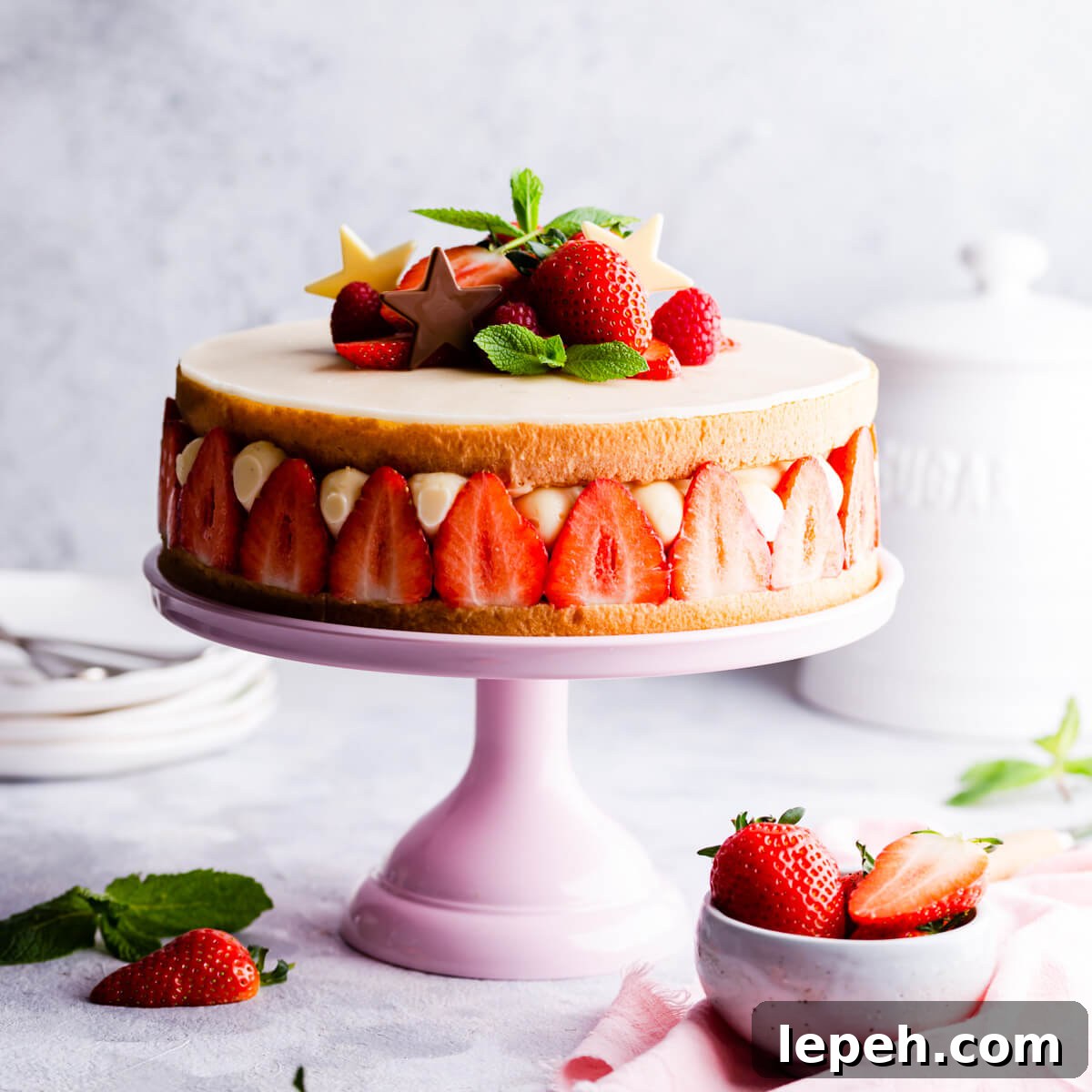
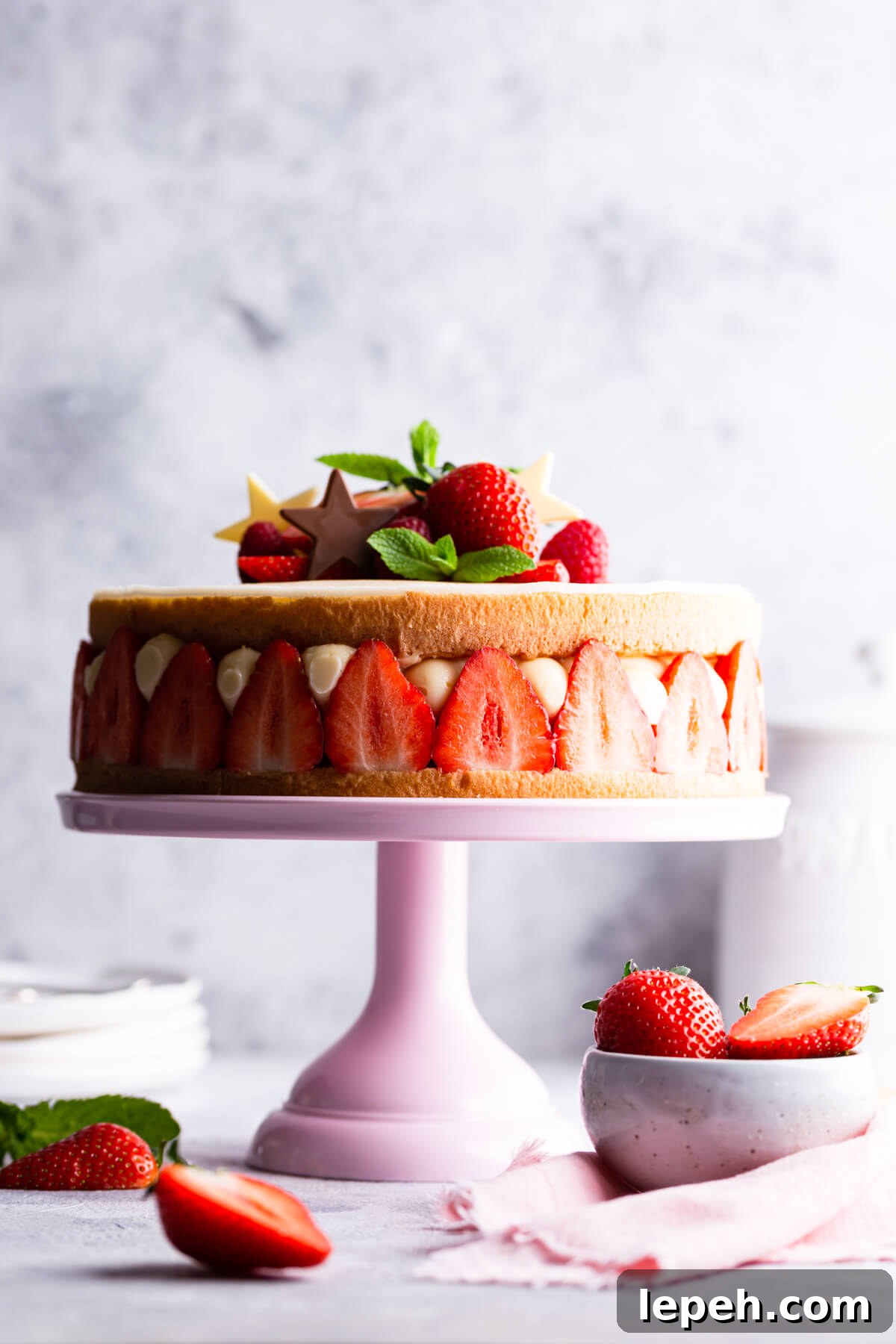
This classic French fraisier is the perfect way to celebrate strawberry season. Light genoise sponge layers are filled with silky crème mousseline flavored with vanilla and a hint of kirsch, studded with fresh strawberries, and finished with a thin marzipan disc. The result is elegant, summery and impressive — ideal for special occasions or a refined everyday treat.
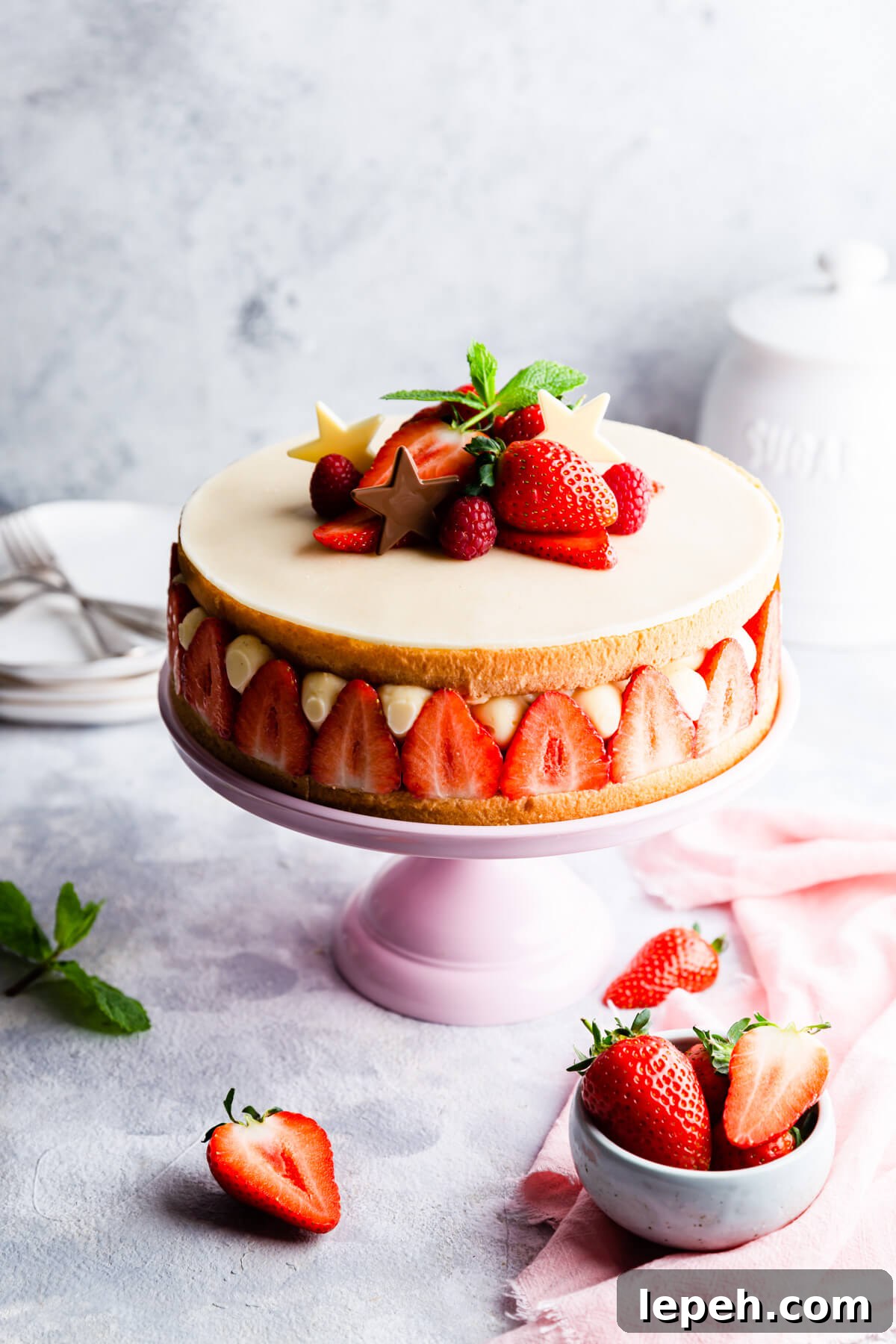
What is a fraisier cake?
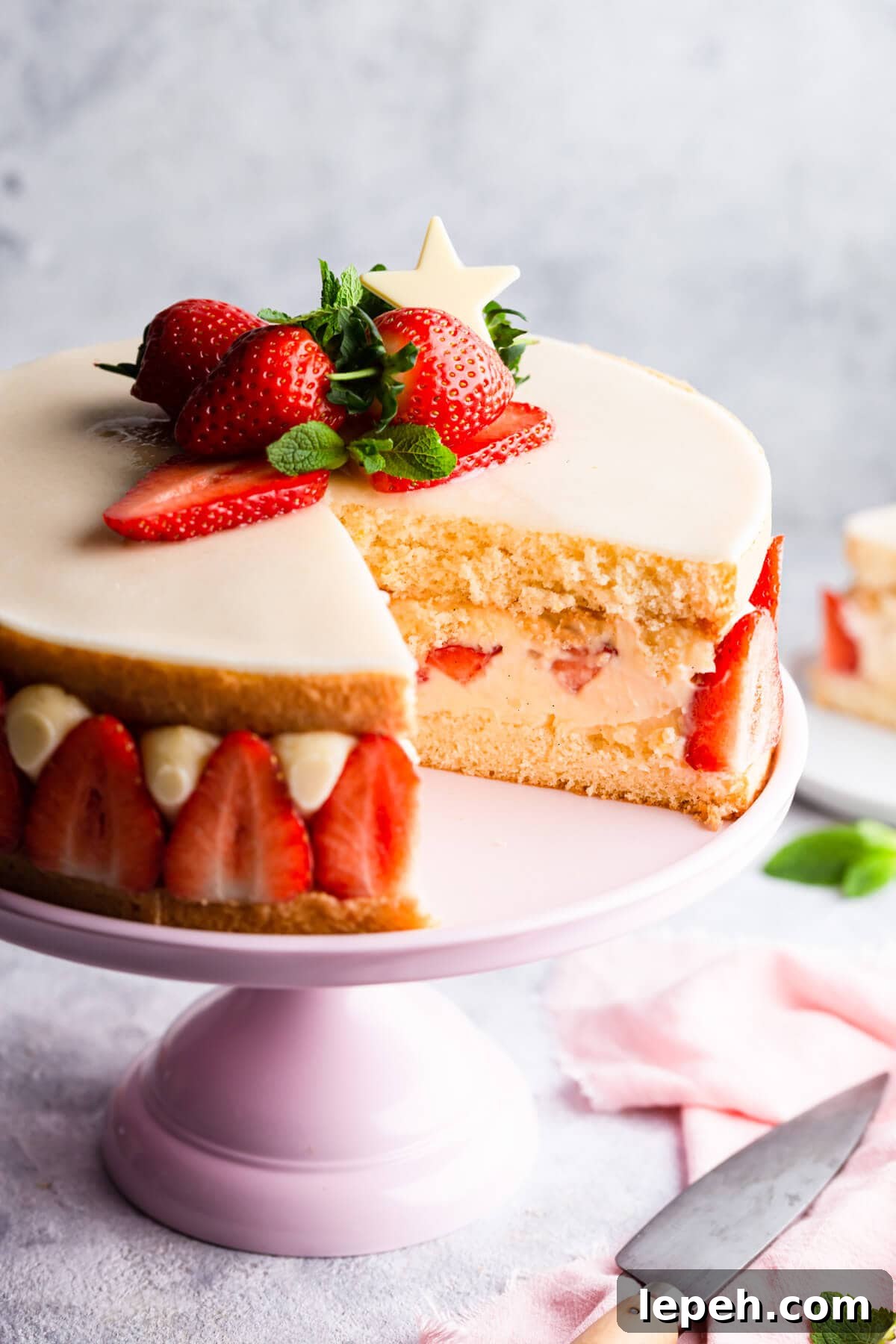
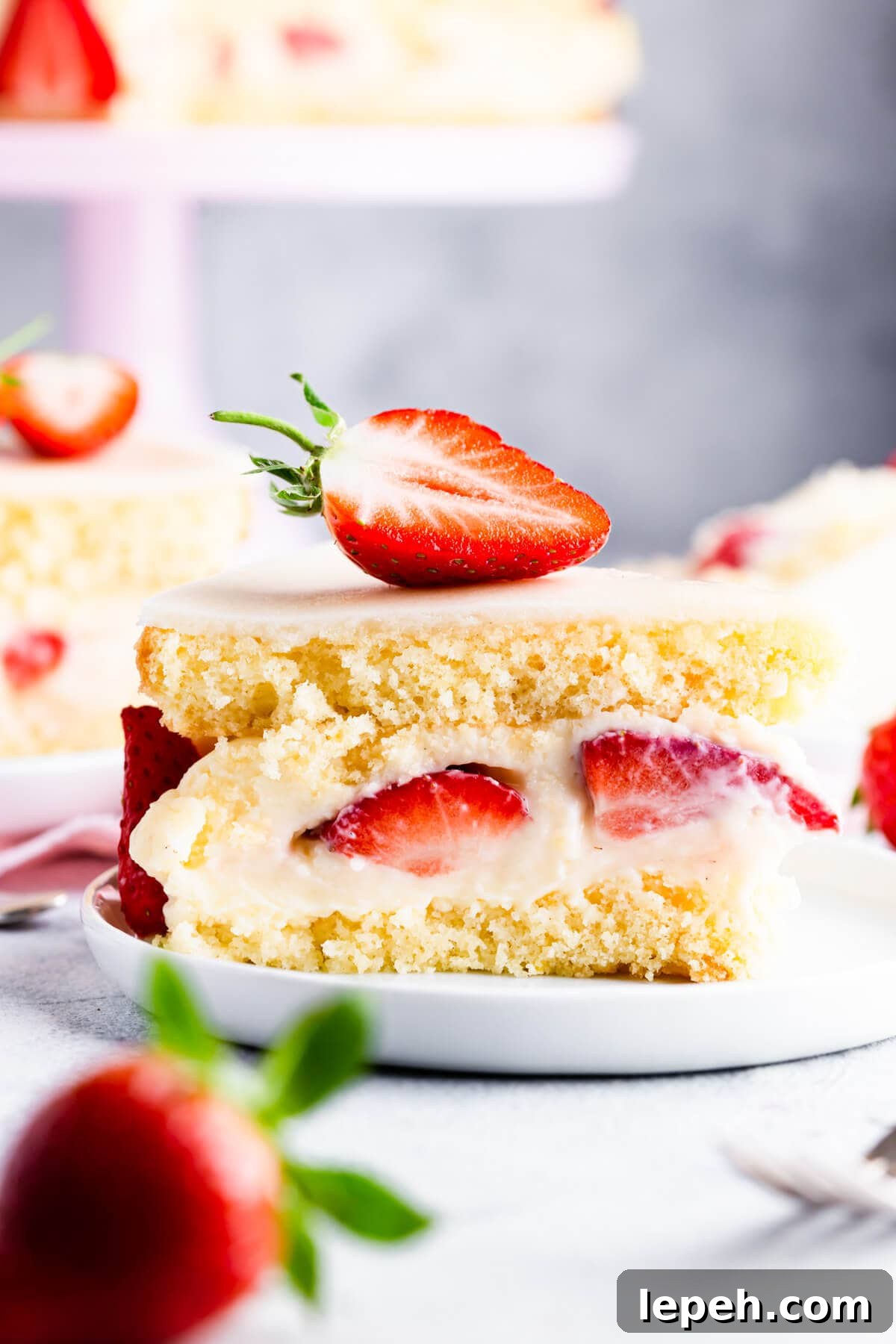
Fraisier is a classic French cake built around fresh strawberries — the name comes from the French word fraise, meaning strawberry. It typically consists of two thin genoise sponge discs, a kirsch-scented crème mousseline (a butter-enriched pastry cream), a ring of halved strawberries pressed against the side of the tin, diced strawberries in the center and a marzipan disc on top. The technique produces a clean, structured cake with bright fruit and a rich, velvety filling.
Crème mousseline is essentially pastry cream (crème pâtissière) that’s been enriched with butter, producing a smoother, richer filling that pipes and sets well. A small amount of kirsch is optional but traditional; you can omit it or substitute another fruit brandy if preferred.
Equipment
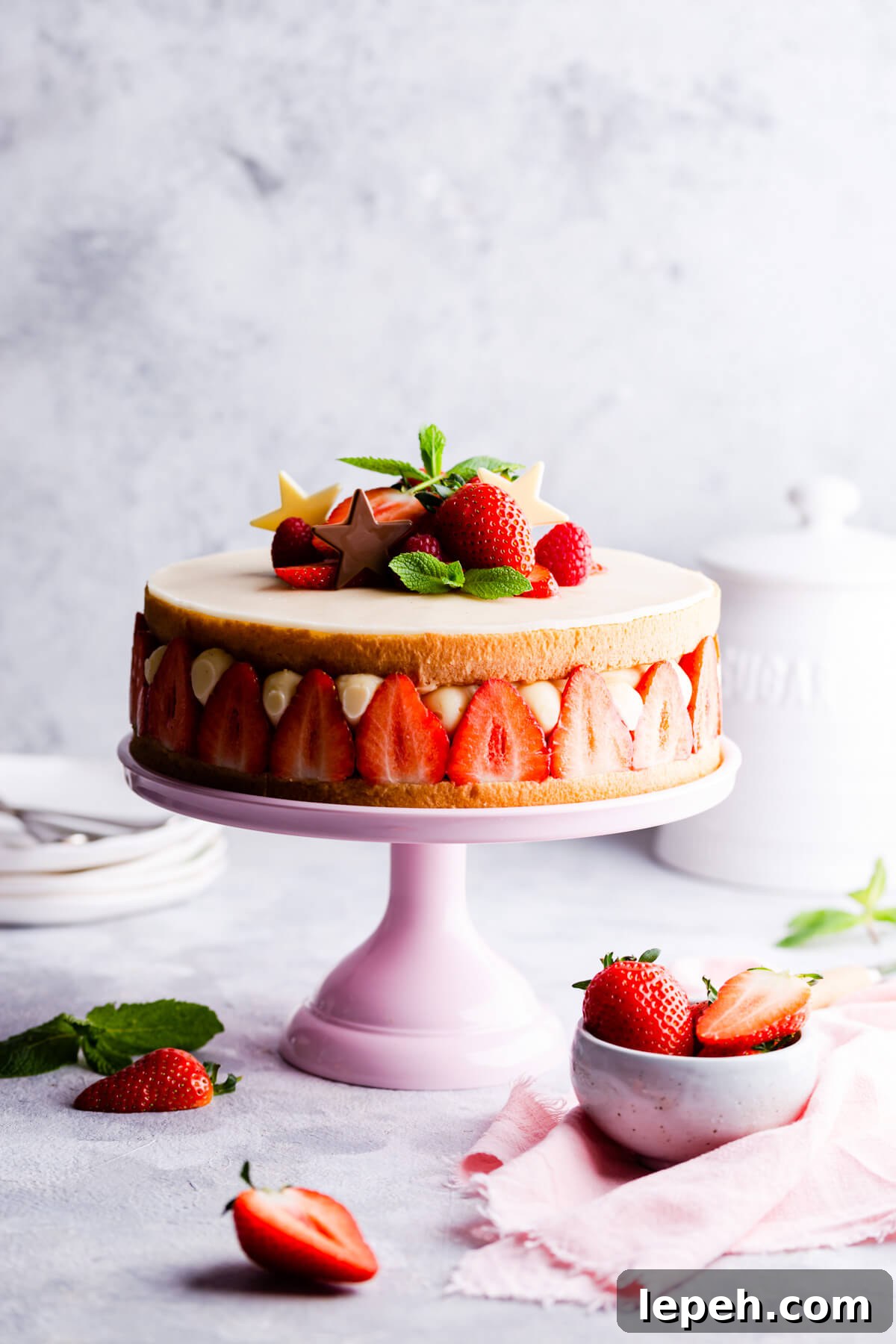
Preparing a fraisier is easier with a few helpful tools. Most are optional but recommended for neat results:
- 23 cm springform or loose-bottom deep round tin — essential for assembling and removing the cake cleanly.
- Wire cake slicer or large serrated knife — to slice the genoise evenly.
- Acetate strip — for smooth cake sides; clingfilm or parchment can be used as a substitute.
- Piping bag with a large round nozzle — makes filling and smoothing easier; a zip-top bag with the corner snipped works too.
- Small sieve — helpful for removing any skin from heated milk before adding to the filling.
- Cake lifter — handy but optional for transferring the cake.
Key ingredients and substitutes
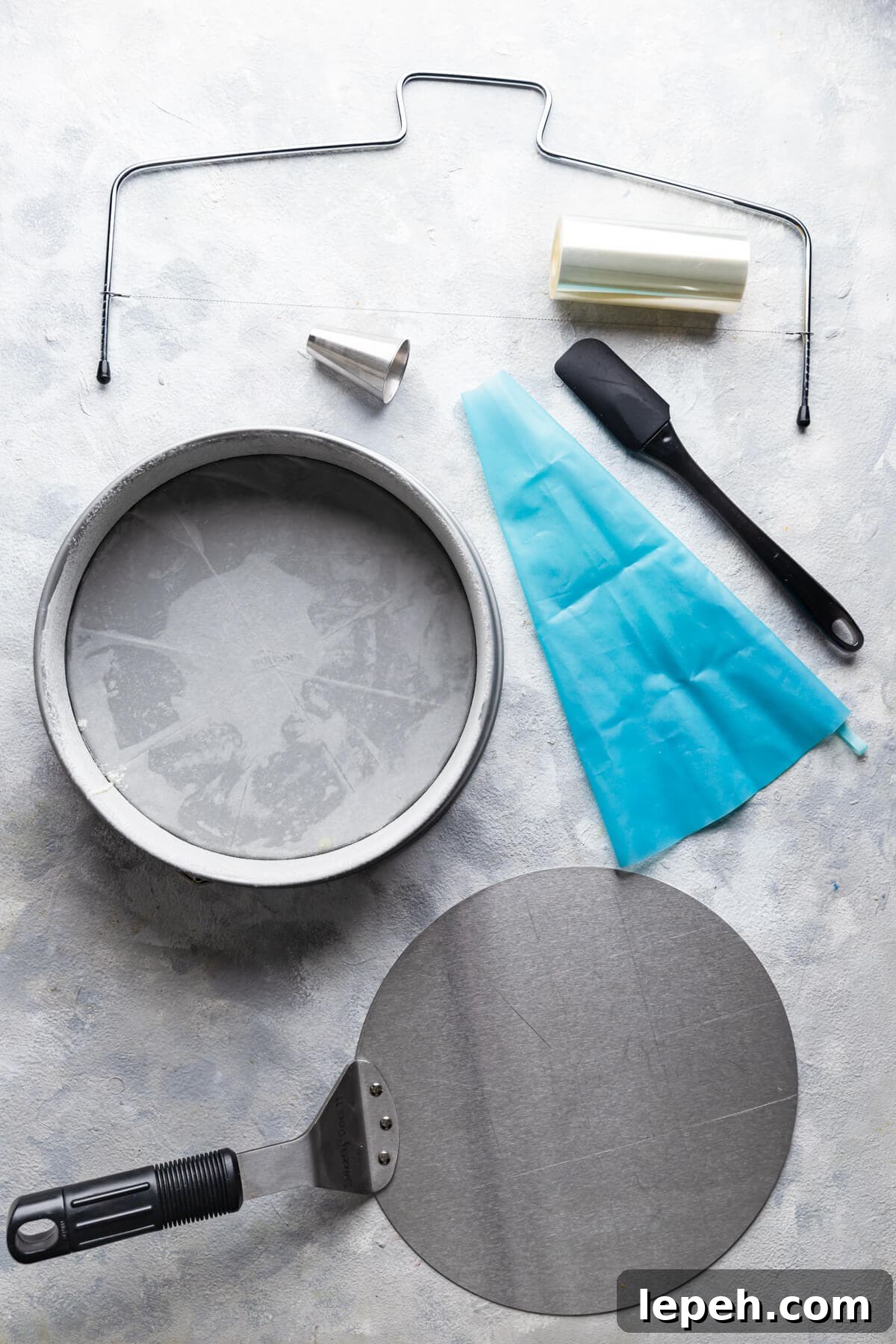
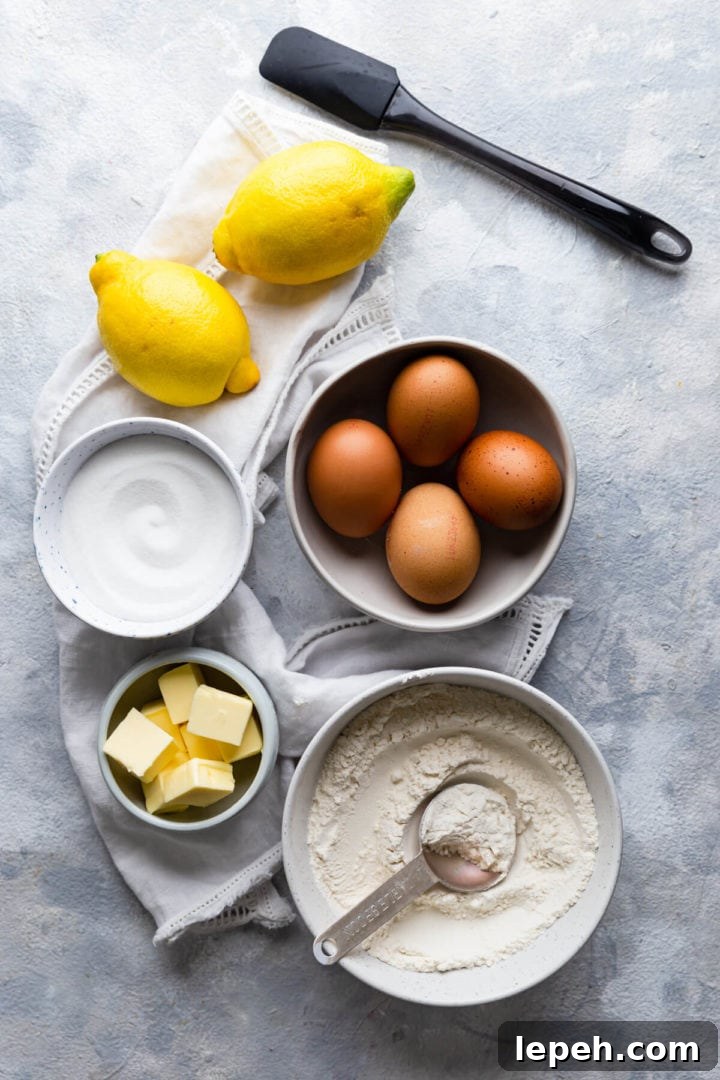
The ingredient list may seem long, but most items are pantry basics. Important components include eggs (for the genoise and mousseline), sugar, butter, flour, milk and, of course, fresh strawberries. Notes and simple substitutions:
- Eggs: the recipe relies on a good number of eggs for structure and richness; use medium or large eggs.
- Caster sugar: easier to incorporate, but granulated sugar is an acceptable swap.
- Butter: unsalted preferred; a little goes in the sponge and more is used in the mousseline.
- Self-raising flour: can be replaced by plain flour plus 1 heaped tsp baking powder for the same weight, or cake flour.
- Milk: full-fat gives the best flavor and texture for the pastry cream.
- Vanilla: a real vanilla pod yields the best aroma and visual specks; vanilla bean paste also works.
- Kirsch: optional. Use a fruit brandy if preferred or omit for an alcohol-free cake.
- Cornflour: used to thicken the mousseline; cornstarch or arrowroot are fine alternatives.
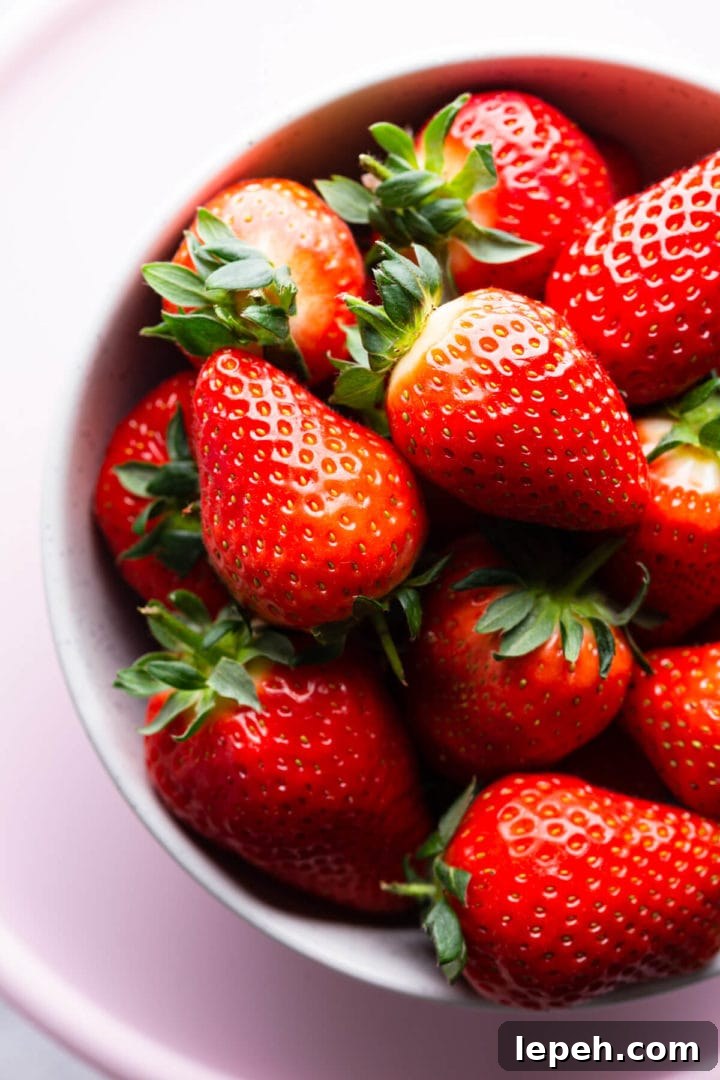
- Strawberries: fresh only — choose 10–12 similarly sized berries for the outer ring and additional berries (about 600 g total) for the filling and decoration.
Timings and planning ahead
Split the process into three parts — sponge, filling and assembly — to make timing manageable. Many elements can be prepared a day ahead:
- Sponge: about 40 minutes to make and bake. It can be baked a day ahead, wrapped tightly and stored at room temperature or frozen up to a week.
- Crème mousseline: around 15 minutes to cook, but must cool completely and chill for at least an hour (ideally longer). Make ahead and keep covered to prevent a skin forming.
- Syrup: quick 5-minute simmer; store in the fridge until needed.
- Assembly: roughly 10–20 minutes once components are ready; the finished cake needs at least 2 hours chilling in the fridge to set.
How to make this cake
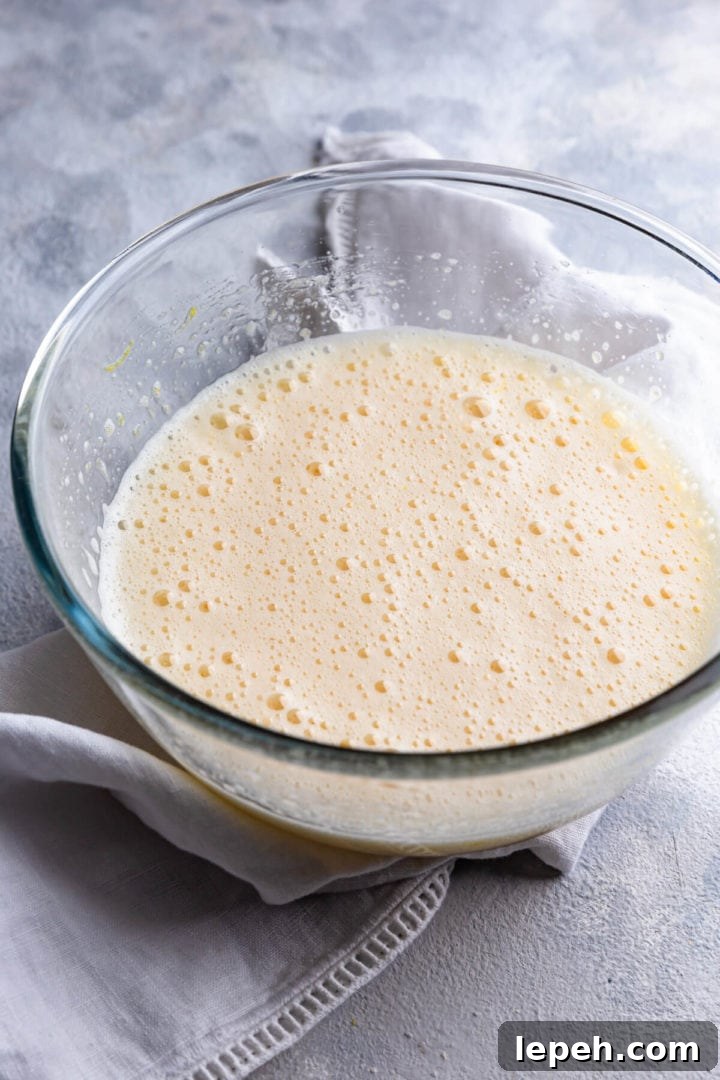
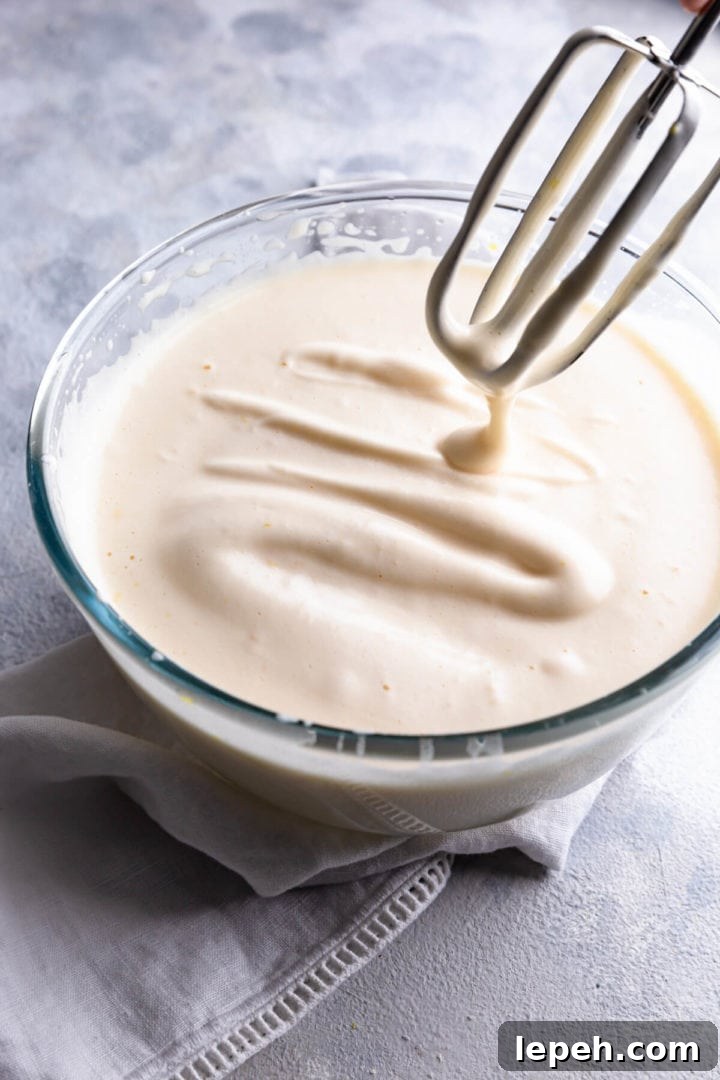
Begin with the genoise: whisk eggs, sugar and lemon zest over a warm water bath until thick, pale and ribbon-like when the mixture falls from the beaters. Gently fold in most of the flour, then the remaining flour and melted butter, taking care to keep as much air as possible. Bake until pale golden. Allow the sponge to cool completely before slicing horizontally into two thin discs.
For the crème mousseline: heat milk with a split vanilla pod until just boiling, then let it infuse for about 10 minutes. Whisk eggs, yolks, sugar, kirsch (if using) and cornflour until smooth. Temper the egg mixture with the infused milk, return to the pan and cook over low–medium heat, stirring constantly, until it thickens and comes to a boil. Stir in diced butter until combined, then cool quickly in a shallow dish, pressing clingfilm or damp baking paper onto the surface to prevent a skin. Chill until completely cold and firm enough to pipe.
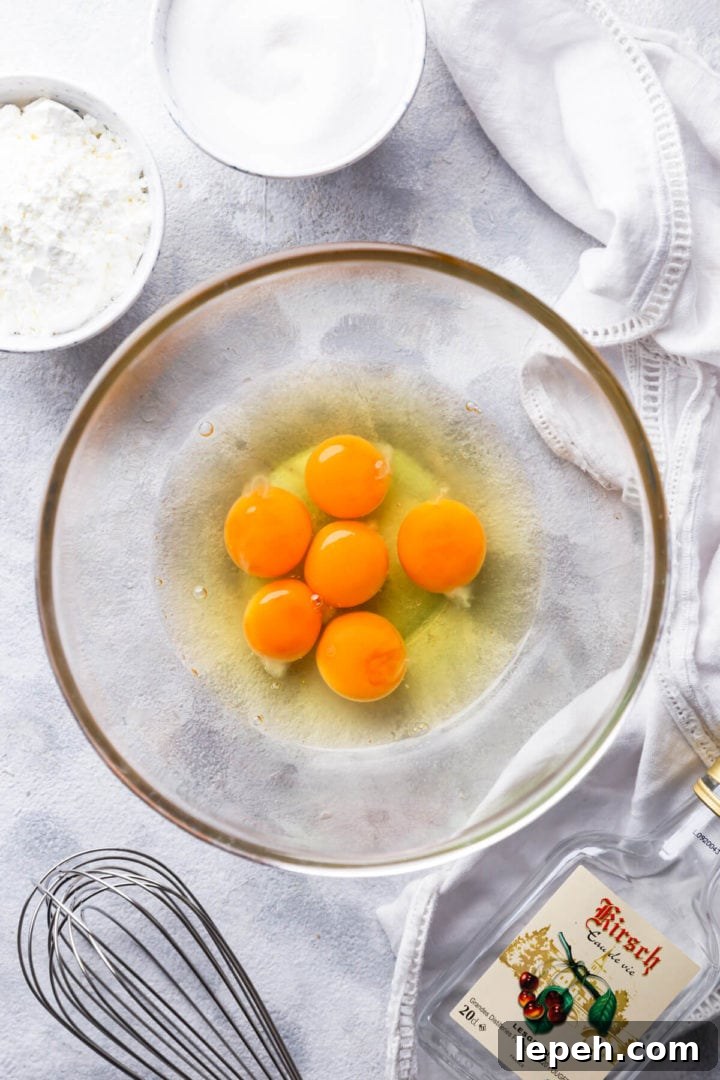
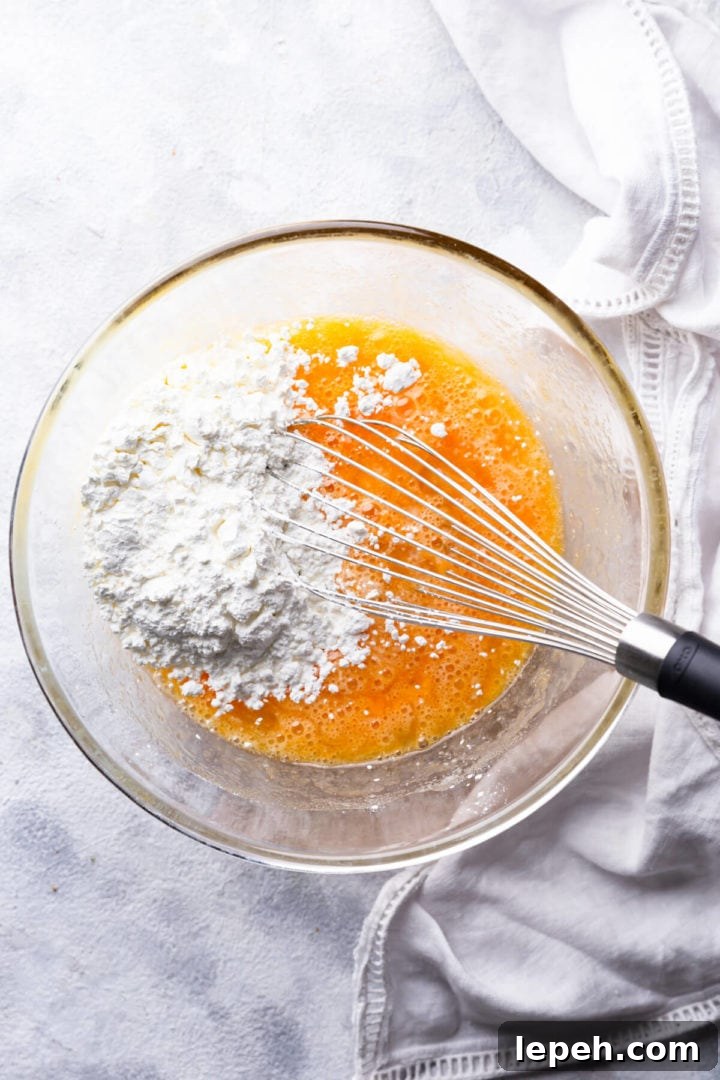
Make a simple syrup from water, sugar and lemon juice and cool. Roll and chill a thin marzipan disc sized to the tin.
Assembling the cake
Line the tin base with baking paper and place an acetate strip around the inner side. Position one sponge disc cut-side up, brush with syrup and gently press the edges down so they sit against the tin sides. Halve 10–12 similar-sized strawberries and arrange them, cut-side against the acetate, pointed ends up to form a neat ring.
Pipe or spoon most of the chilled mousseline into the tin to fill gaps and cover the sponge. Add quartered strawberries across the center, then pipe another layer of mousseline to level the filling. Place the second sponge disc on top, brush with remaining syrup, and press down so the filling and sides are snug against the acetate. Lay the chilled marzipan disc on top and refrigerate for at least 2 hours or overnight. Finish with reserved strawberries for decoration and slice to serve.
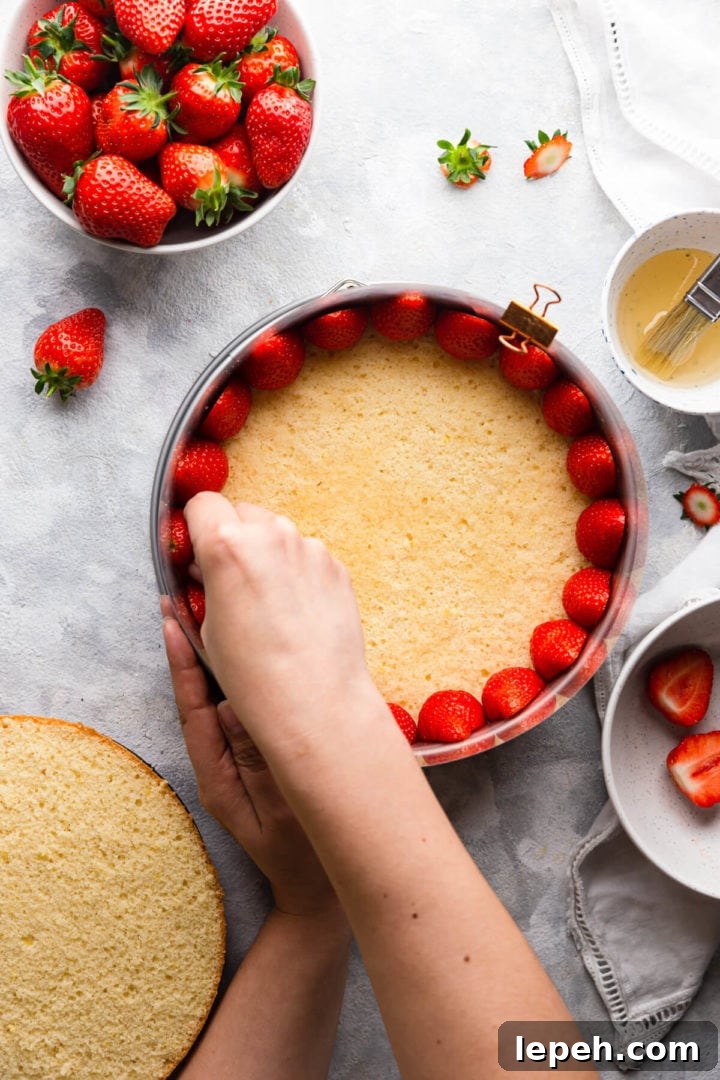
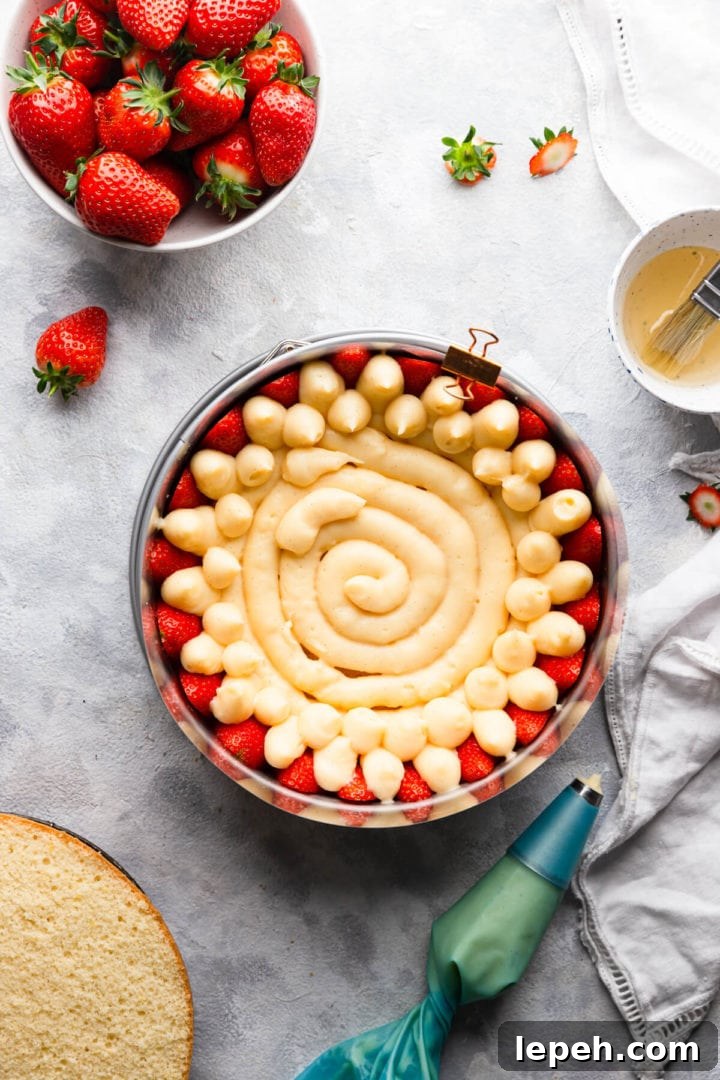
Storing
Fraisier is best enjoyed the same day it’s assembled. Store leftovers in an airtight container in the fridge for up to two days. Note that sliced strawberries used as decoration will release juices over time and may discolor the marzipan. The assembled cake is not suitable for freezing.
Top tips and things to avoid
- Read the recipe fully before starting so you can plan timings and chill periods.
- Bring ingredients to room temperature where indicated and use digital scales for accuracy.
- Don’t over-saturate the sponge with syrup; brush lightly to avoid a soggy base.
- When cooking the mousseline, stir constantly to prevent lumps and scorching.
- If the mousseline appears lumpy or split, pushing it through a fine sieve can help smooth it.
- If preferred, classic pastry cream or crème diplomate are acceptable substitutes for mousseline.
- Trim the marzipan disc to size using the cake tin base as a guide for a perfect fit.
Recipe
Fraisier Cake — a light genoise filled with vanilla- and kirsch-flavored crème mousseline and fresh strawberries. Serves 8.
Equipment
- 23 cm springform or loose-bottom round tin
- Baking paper, small sieve, acetate strip
- Whisk, piping bag and large plain nozzle, pastry brush (optional)
Ingredients (high-level)
For the sponge: eggs, caster sugar, lemon zest, self-raising flour (or plain + baking powder), melted butter.
For the crème mousseline: milk, vanilla, eggs + yolks, sugar, kirsch (optional), cornflour, unsalted butter.
For the syrup: water, caster sugar, lemon juice. To assemble: fresh strawberries (about 600 g) and 200 g marzipan.
Timings
- Prep: ~40 mins
- Cook time: ~35 mins
- Chilling and cooling: ~3 hrs
- Total time: ~4 hrs 15 mins (including chill times)
Notes
- This recipe is adapted from Mary Berry’s fraisier.
- All components can be prepared ahead — sponge and mousseline refrigerate well when covered; sponge can also be frozen for up to one week.
- Measurements are tested in metric; use digital scales for best results.
If you try this cake, arrange the components ahead of time and take care when handling the delicate genoise — the patience pays off with a spectacular, refined dessert that highlights the sweetness of ripe strawberries.