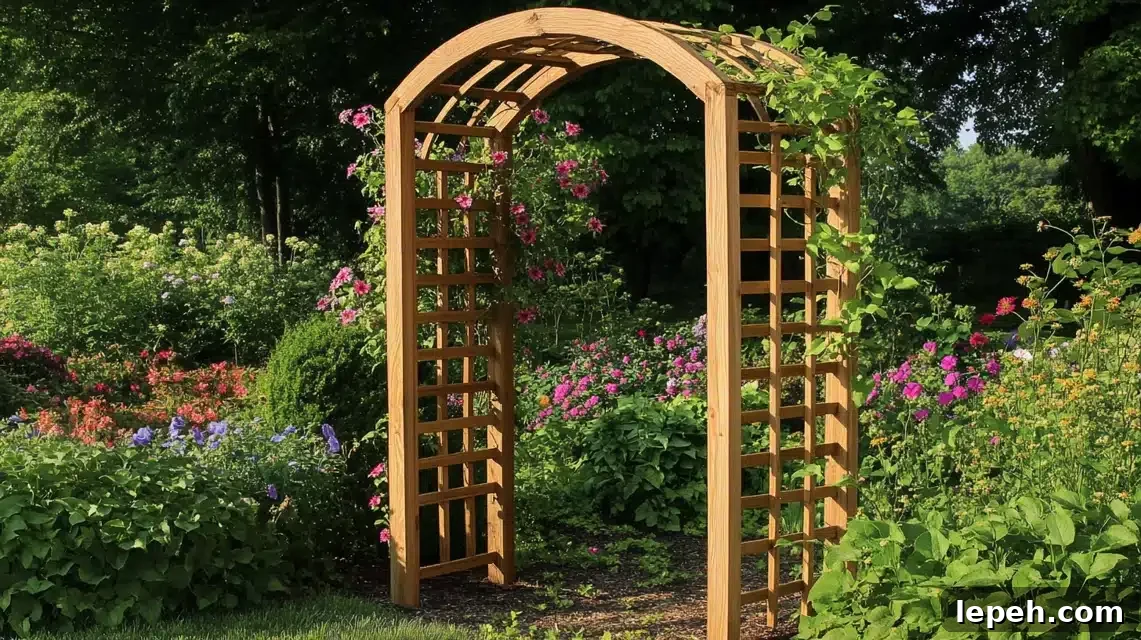
I’ve found that clematis need the right support to climb well and display abundant blooms. Choosing a suitable trellis makes a big difference to their growth and flowering.
These climbers attach by wrapping their leaf stems around narrow supports, so they perform best when paired with structures that match their gripping habit.
This guide explains how to choose the best trellis for clematis, reviews common types you can buy or build, and gives practical instructions for installation and upkeep so your plants thrive year after year.
Understanding Clematis and Their Climbing Needs
Clematis climb in a distinctive way: their leaf stems curl around narrow supports. They prefer thin elements roughly 1/4 to 1/2 inch thick, such as wires or narrow poles. Wide or very smooth surfaces are difficult for the stems to grip, causing the vine to slip, bunch up, or present flowers in awkward directions.
Selecting appropriately sized supports helps the plant climb evenly and display flowers where you want them.
Types of Trellises for Clematis
| Trellis Type | Pros | Cons |
|---|---|---|
| Wooden Trellises | Natural appearance, easy to customize and paint to suit your garden. | Requires treatment and periodic maintenance to resist weathering and rot. |
| Metal Trellises | Durable with sleek designs and long lifespan when coated. | Can absorb heat in full sun and may need protective finishes to prevent rust. |
| Wire Grid Trellises | Excellent for clematis—thin wires give stems something to grip without bulk. | Must be well anchored to walls or posts and tensioned properly. |
| PVC Trellises | Lightweight and weather-resistant, easy to move if needed. | Some gardeners find the look less attractive and thin PVC can degrade with time in direct sun. |
Guide to Choosing a Clematis Trellis
Materials That Work Well
- Steel or copper wire: Thin, strong, and ideal for leaf stems to grip.
- Wood: Gives a natural look; use thin slats or battens for better grip and treat for durability.
- Powder-coated metal: Long-lasting and weather-resistant with minimal maintenance.
Size and Design Tips
- Height: Aim for 6–8 feet, chosen to match your clematis variety and desired display.
- Width: At least 3 feet to allow stems room to spread and fill the structure.
- Spacing: Keep wires or slats about 4–6 inches apart so stems can easily find and grip supports.
- Base: Ensure the base and footings are strong enough to hold a mature, heavy plant.
Smart Placement
- Most clematis appreciate sunny flowers and a cool, protected root zone—shade the base with mulch or a low planting.
- Leave 18 inches where possible between trellis and a wall to improve air circulation and prevent moisture problems.
- Install the trellis before planting to avoid disturbing roots later on.
Common Mistakes to Avoid
- Using plastics that become brittle and break under sun and wind.
- Choosing supports that are too thick for the plant to grip.
- Building a trellis that is too small or inadequately anchored.
- Neglecting to secure fixings and footings properly at installation.
When selecting a trellis, prioritize long-lasting construction and support elements sized for clematis stems.
A DIY Guide for Creating Perfect Clematis Trellises
Simple Wire Trellis Project
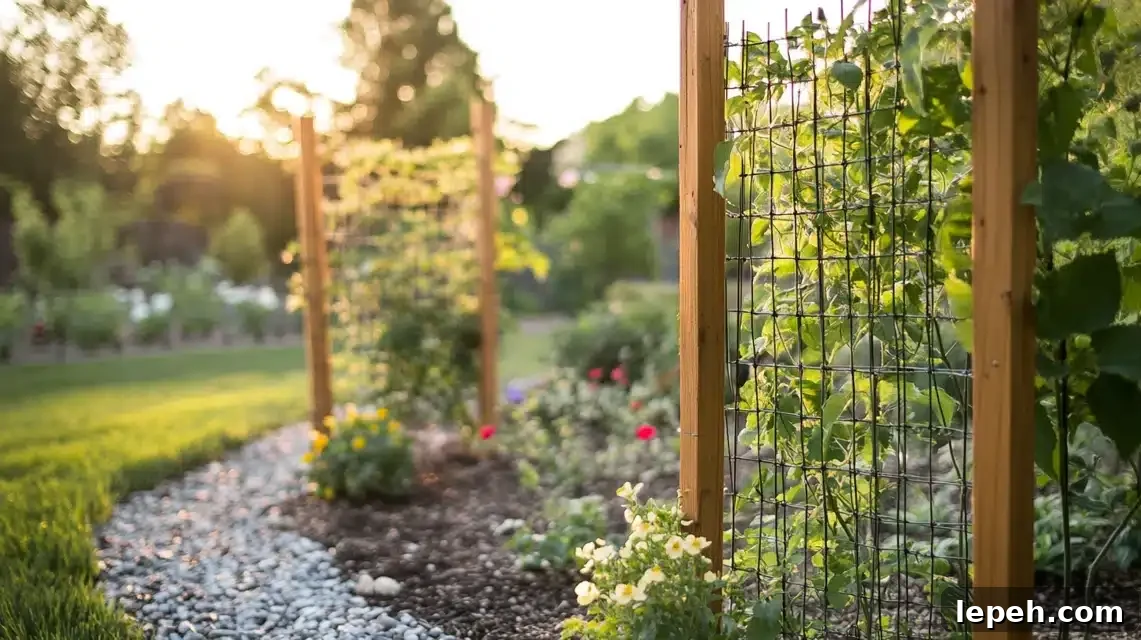
Materials You’ll Need
- Two wooden posts (4×4 inch, 8 feet long)
- Galvanized wire (14 gauge recommended)
- Screw-in eyelets (about 12 per post)
- Post hole digger, level, concrete mix, gravel
- Wire cutters, pliers, measuring tape, pencil
Step-by-Step Instructions
- Mark post locations about 6 feet apart.
- Dig holes roughly 24 inches deep and 12 inches wide; add 4 inches of gravel for drainage.
- Set posts level, pour concrete around them, and leave the top 2 inches for soil.
- Allow concrete to cure for 24 hours before adding tensioned wires.
- Mark eyelet positions along the posts at 6-inch intervals, starting about 12 inches above ground.
- Pre-drill pilot holes and screw in eyelets, keeping them aligned vertically.
- Cut wires with a 6-inch allowance on each end, thread through eyelets, pull tight, and secure by wrapping.
- Test each wire for proper tension and adjust as needed.
Wooden Trellis Construction
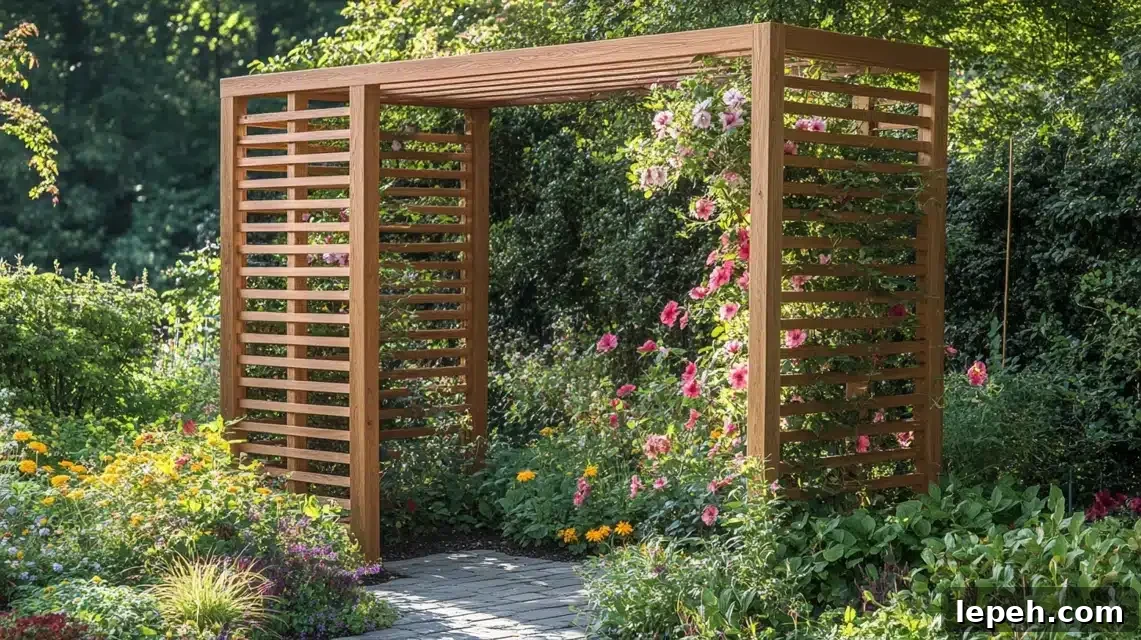
Materials Needed
- Two pressure-treated posts (4×4 inch, 8 feet)
- Thin wooden slats (1/4 inch thick, 6 feet long)
- Galvanized screws, drill, saw, sandpaper
- Post hole digger, level, wood preservative
Step-by-Step Instructions
- Prepare and set posts as for the wire trellis.
- Build a sturdy frame by fixing two horizontal supports between the posts—one near the top and one near the base—adding a central support for strength.
- Sand and treat the thin slats with preservative, then attach them vertically 4–6 inches apart. Pre-drill holes to avoid splitting and secure with shorter screws.
- Add any decorative top or trim and check all connections are tight.
Creative Trellis Ideas Using Recycled Materials
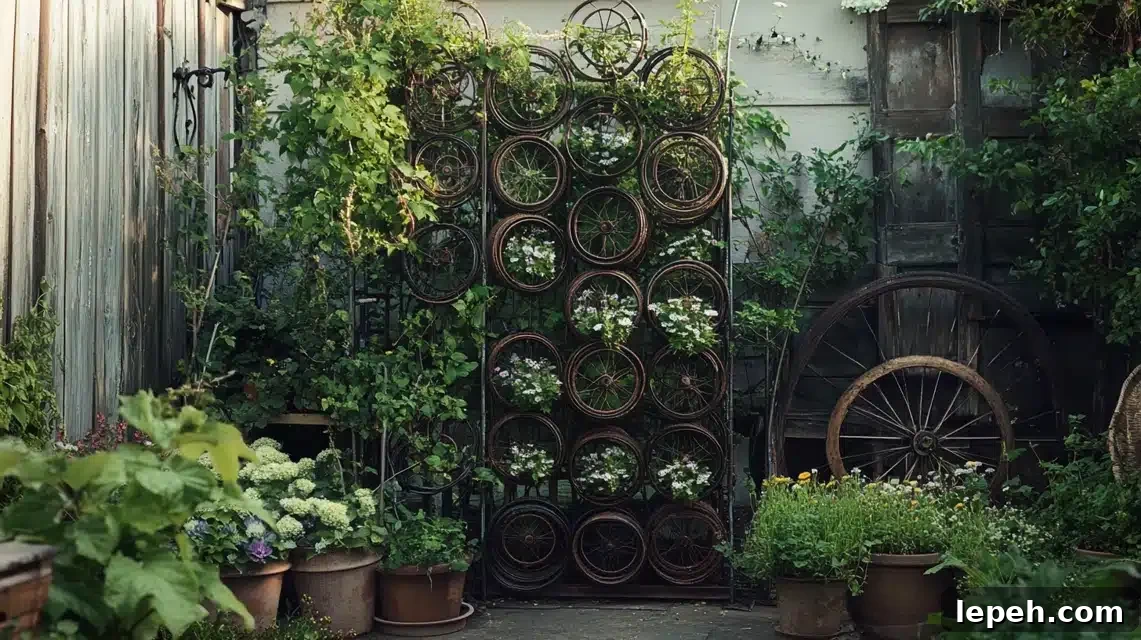
Bicycle Wheel Trellis
- Strip rubber tires, clean and paint rims to prevent rust.
- Stack two or three wheels vertically and secure to posts with strong wire.
- Spokes offer ideal thin supports for clematis stems to grip.
Ladder Trellis
- Repurpose an old wooden ladder: sand, seal, and secure at a slight angle against a wall or post.
- Add cross wires between rungs to increase grip points.
Metal Grid Designs
- Use old metal gates, cut cattle panels, or bent rebar to form decorative grids or curves that provide many thin support points.
Installation Tips for All Designs
- Install the trellis before planting so roots remain undisturbed.
- Face the flat side or strongest surface toward the plant and leave a 3–4 inch air gap from walls.
- Test stability and consider local wind patterns before committing the planting.
Maintenance Notes
- Check wire tension every spring and tighten any loose lines.
- Inspect for rust or rot annually and treat or replace affected parts promptly.
- Clean structures with a soft brush and reapply wood preservative each year to wooden elements.
Wire trellises often suit smaller clematis varieties best, while larger or heavier types benefit from sturdy wooden frames. Recycled designs bring character and can be economical while still offering good support.
Optional Improvements
- Add copper caps to posts, paint to match your garden, or incorporate small platforms for feeders or solar lights.
- Create visual interest by using different colored wires or combining materials.
Most projects take around 4–6 hours of hands-on time, not including concrete cure time. Estimated material costs range from roughly $50 for a simple wire trellis to $75 for a treated wooden version; recycled projects can be very inexpensive.
A Guide for Installing Clematis Trellises Correctly
Wall Installation
Tools You’ll Need
- Drill with masonry bits, level, pencil, measuring tape
- Hammer, safety glasses, work gloves
Steps for Brick Walls
- Mark holes in mortar joints rather than drilling into bricks to reduce damage.
- Use the correct masonry bit, drill to 3–4 inches depth, and insert suitable wall plugs.
- Place spacers to leave a 3-inch gap behind the trellis for airflow and attach with appropriate fixings.
Steps for Other Walls
- Locate studs with a detector, mark mounting points, and use wall-specific anchors or fixings rated for the load.
- Maintain a 3-inch gap for ventilation and double-check all attachments before loading with plant material.
Freestanding Installation
Tools Required
- Post hole digger, level, gravel, concrete mix, measuring tape, shovel
Steps to Follow
- Mark post locations, dig holes at least 2 feet deep and 12 inches wide (deeper below the frost line if required).
- Add gravel, position posts, pour concrete, and brace until it sets. Keep posts plumb while the concrete cures.
Safety Guidelines
- Check for underground pipes or cables before digging and wear proper safety gear.
- Use rust-resistant fixings, test stability before planting, and consider local wind exposure and weight limits.
Extra Tips
- Add bracing for tall trellises, space supports 6–8 feet apart, and inspect stability monthly to address any movement quickly.
Training Clematis on Your Trellis
Identifying your clematis type is essential because pruning and training differ among groups.
Type 2 clematis flower on both old and new wood, so care is needed to preserve flowering wood while encouraging new growth. Avoid sharply bending or tying stems too tightly to prevent snapping.
Type 3 clematis bloom on new growth and can be cut back hard in late winter without sacrificing the season’s flowers, making them easier to reshape and train.
Training steps that work well:
- Begin training while stems are still flexible, working in cool morning hours when they are easiest to guide.
- Use soft ties in figure-8 loops to keep stems secure without constriction, and keep ties loose enough to allow slight movement.
- Place main stems vertically at first, then fan them out to fill the trellis and maintain good airflow between stems.
- Check ties weekly and remove any that start to constrict as the stem thickens.
For the best display:
- Direct stems toward sunny exposure, spread them out like a fan, keep the root area shaded, and leave breathing room between stems so flowers face outward.
Common problems to watch for include wind damage to loosely tied stems, congestion in one area, flowers facing away from the desired viewing angle, and too much sun at the plant base.
Keeping Your Clematis Trellis Strong
1. Regular Checks
- Clean and inspect trellises in spring and fall, test post and mount stability monthly, and repair rust or rot promptly.
- Maintain wire tension and keep a clear 3-inch air gap from walls where installed.
2. Wood Care
- Brush off debris, reseal exposed wood, repair soft spots near the ground, and check screws and joints regularly.
3. Metal Care
- Remove rust with a wire brush, treat bare spots with rust inhibitor, and tighten or replace loose connections.
Summing Up
Choosing the right materials, sizing the trellis appropriately, installing it correctly, and performing regular maintenance are all essential to a thriving clematis display. Whether you opt for a simple wire trellis, a robust wooden frame, or a creative recycled design, provide narrow supports and routine care to keep your vines healthy and flowering.
Frequently Asked Questions
Where can I Purchase a Quality Trellis for Clematis?
Good trellises are available from garden centers, hardware stores, and general retailers. Look for thin support elements, solid construction, and durable finishes—these factors matter more than the initial price.
Does the Material of the Trellis Affect Clematis Growth?
Yes. Clematis prefer thin, textured supports such as wire, narrow metal, or thin wood slats. Avoid large, smooth surfaces that the stems cannot reliably grip.