This glossary of baking and pastry terms will help you understand recipe language before you head into the kitchen. It explains common techniques, ingredients, and tools in clear, natural English so you can bake with confidence.
There is also a glossary of French baking terms if you’re working from recipes written in French.
A
Almond cream is sometimes called frangipane but the two are technically different. Almond cream is an almond-flavored filling made from ground almonds, softened butter, and eggs, typically in roughly equal weights. It’s commonly used as the topping for bostock, which is made from brioche.
B
Baking powder combines sodium bicarbonate with one or more acids and is a complete commercial leavening agent. It activates when hydrated; some varieties are slow-acting and need heat to react.
Baking soda is pure sodium bicarbonate, a chemical leavener used to produce carbon dioxide when it reacts with an acid in the batter. It is also a component of many baking powder formulas.
Biscuit has different meanings on either side of the Atlantic:
- In North America, a biscuit is a layered, baking-powder-leavened quick bread made with butter, flour, salt, and buttermilk. The dough is often folded a few times to create flaky layers.
- In the UK and Europe, a biscuit is what Americans call a cookie — usually a dry, crisp sweet like shortbread or sablé.
Blanch means to plunge an ingredient briefly into boiling water and then into ice water to halt cooking. For example, blanching shelled pistachios makes them easier to peel.
Blondie is a cookie bar similar to a brownie but made without cocoa. Blondies often use brown sugar and can include white chocolate, nuts, or berries.
Bloom in chocolate refers to the harmless white streaks that appear when fat or sugar separates from the cocoa mass; tempering can reduce bloom. Bloom also describes soaking gelatin in cold liquid to soften it before dissolving.
Brown butter is butter cooked until the milk solids brown and give a nutty aroma and flavor. It’s used to enrich many baked goods, such as madeleines.
Brownies are dense chocolate bars that can be fudgy, chewy, or cakey depending on proportions and technique. They are made with cocoa or melted chocolate and often form a thin shiny crust when eggs and sugar are well-whisked.
Buttercream refers to frostings or fillings based primarily on butter. Types include American buttercream (butter plus powdered sugar and a little liquid) and those made by incorporating butter into meringues, such as Italian meringue buttercream.
Buttermilk is a cultured dairy product with a tangy, acidic profile. It is often used in baking to add flavor and react with baking soda for leavening.
C
Chemical leaveners are ingredients like baking soda and baking powder that generate gas to lift batters and doughs without lengthy mechanical aeration.
Choux pastry (pâte à choux) is a pipeable dough of water, butter, flour, and eggs. When baked it puffs to form cream puffs, éclairs, or savory gougères depending on shaping and additions.
Clarified butter is butter from which water and milk solids have been removed, leaving pure butterfat. It has a longer shelf life and a higher smoke point, useful in both cooking and some baking applications.
Corn syrup is a glucose-rich syrup produced by hydrolyzing starch. Grocery-store corn syrup is primarily glucose rather than sucrose.
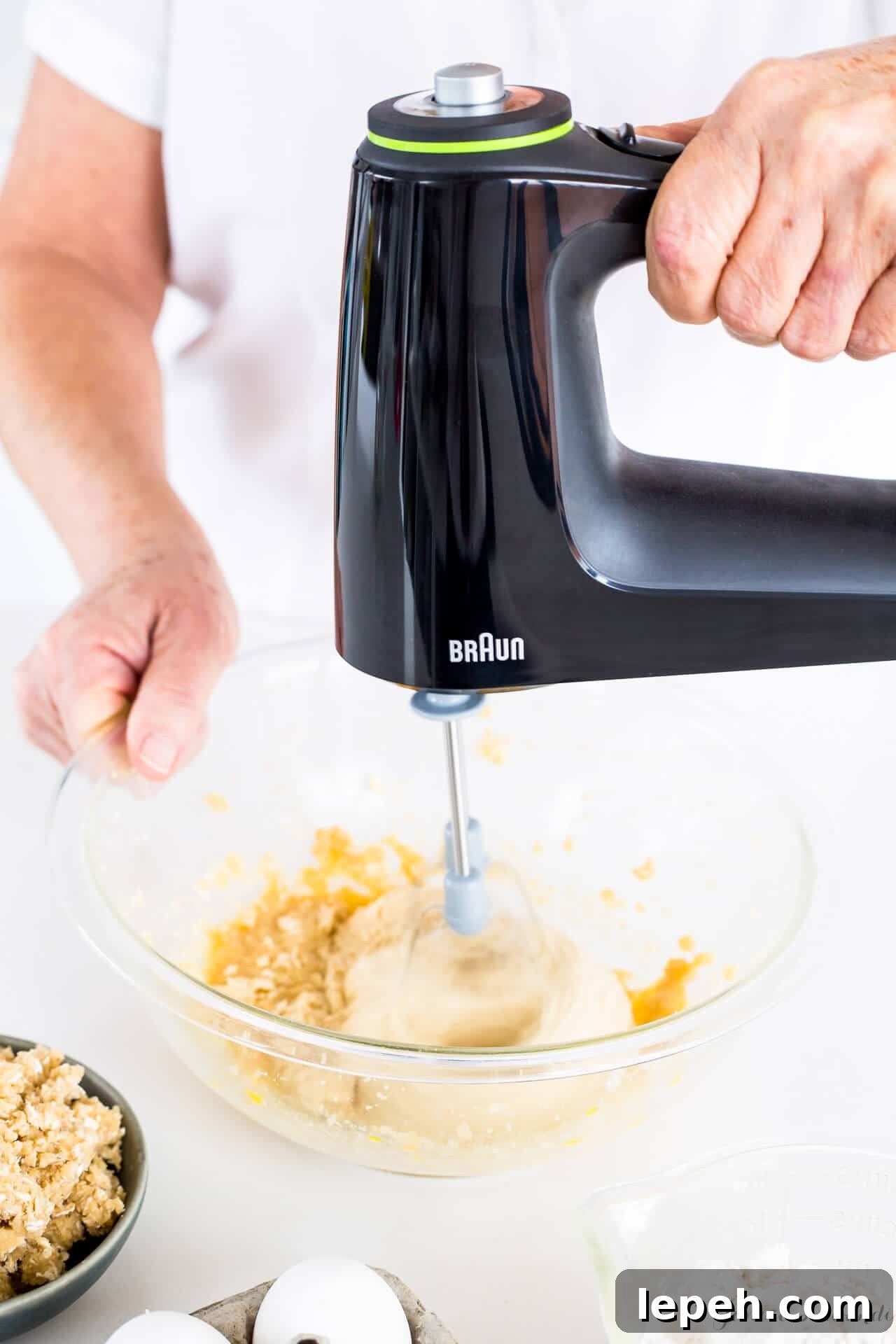
Creaming method refers to beating butter and sugar together to incorporate air into a batter. This mechanical aeration contributes to a lighter texture in cakes and cookies.
Crème anglaise is a pourable custard made from egg yolks, sugar, milk, and vanilla. It’s a classic sauce and also forms the base for many ice creams.
Crumb coat is a thin layer of frosting applied to a cake to trap crumbs before applying the final coating for a clean finish.
Curd (such as lemon curd) is a silky spread thickened with egg yolks, made from fruit juice and sugar. Curds are used as fillings, spreads, or components in layered desserts.
D
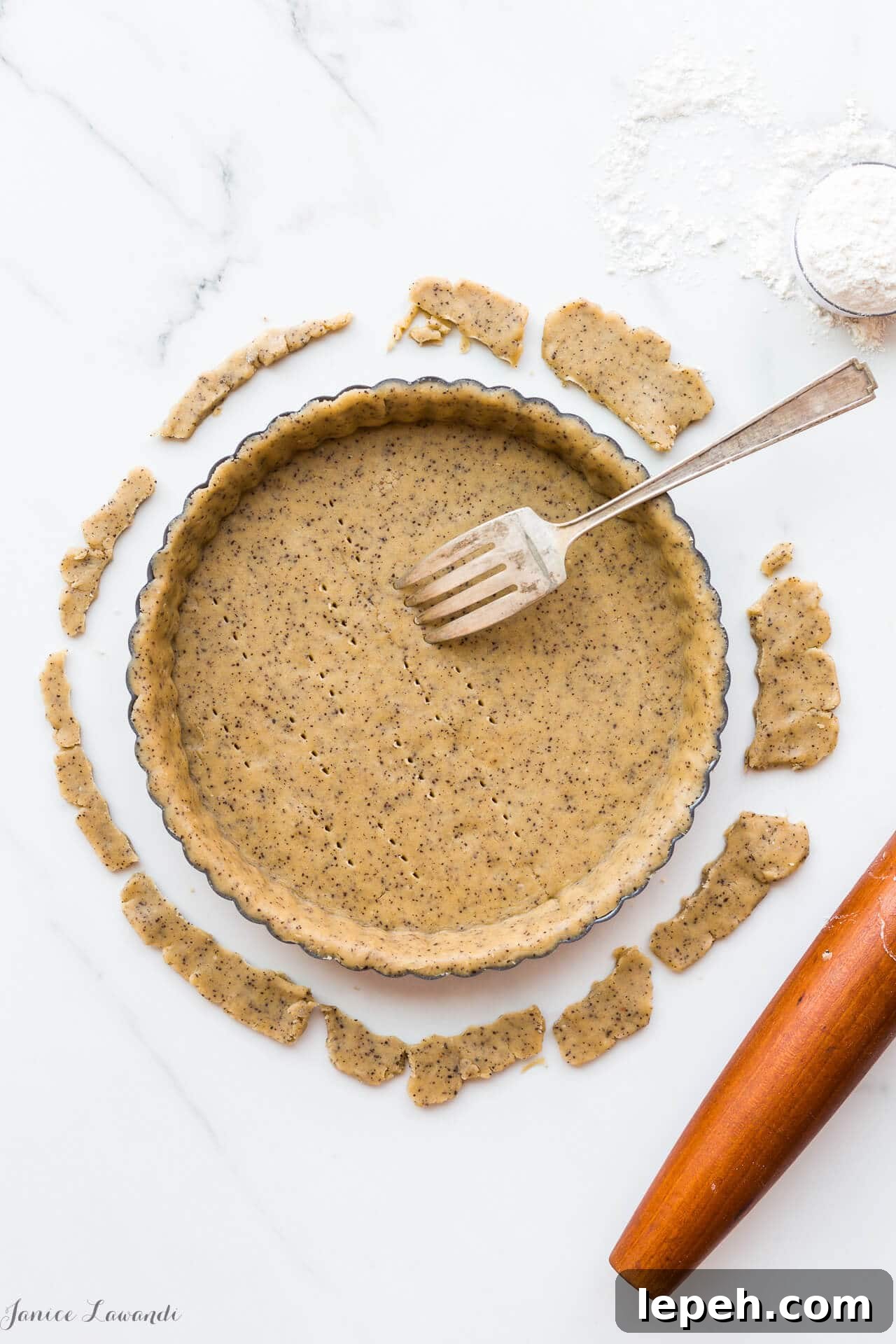
Dock means to prick holes in pastry or pie dough before blind-baking. Docking prevents large air pockets and keeps the crust flat.
E
Egg wash is beaten egg (whole egg, yolk, or white) thinned with water or milk and brushed on dough before baking to promote browning, shine, and an attractive finish.
Enriched doughs are bread doughs that include additions like milk, butter, and eggs, resulting in a richer, softer crumb used for brioche, challah, and babka.
F
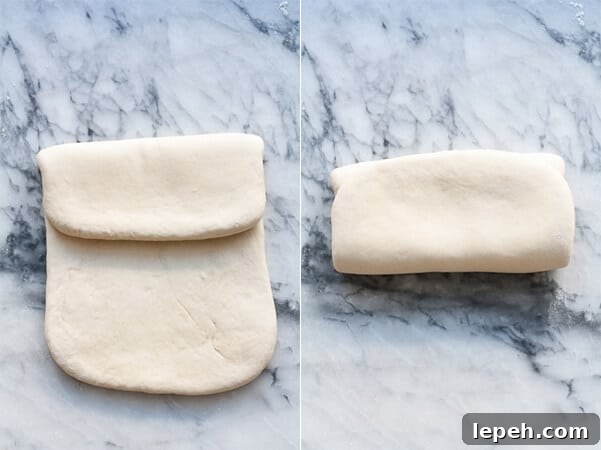
Fold can mean a mixing technique—gently combining two mixtures with a spatula—or folding dough to create layers in laminated pastries like croissants and puff pastry.
Folding as a mixing method involves lifting batter from the bottom and turning it over the top while rotating the bowl, preserving air in light mixtures like whipped cream or meringue.
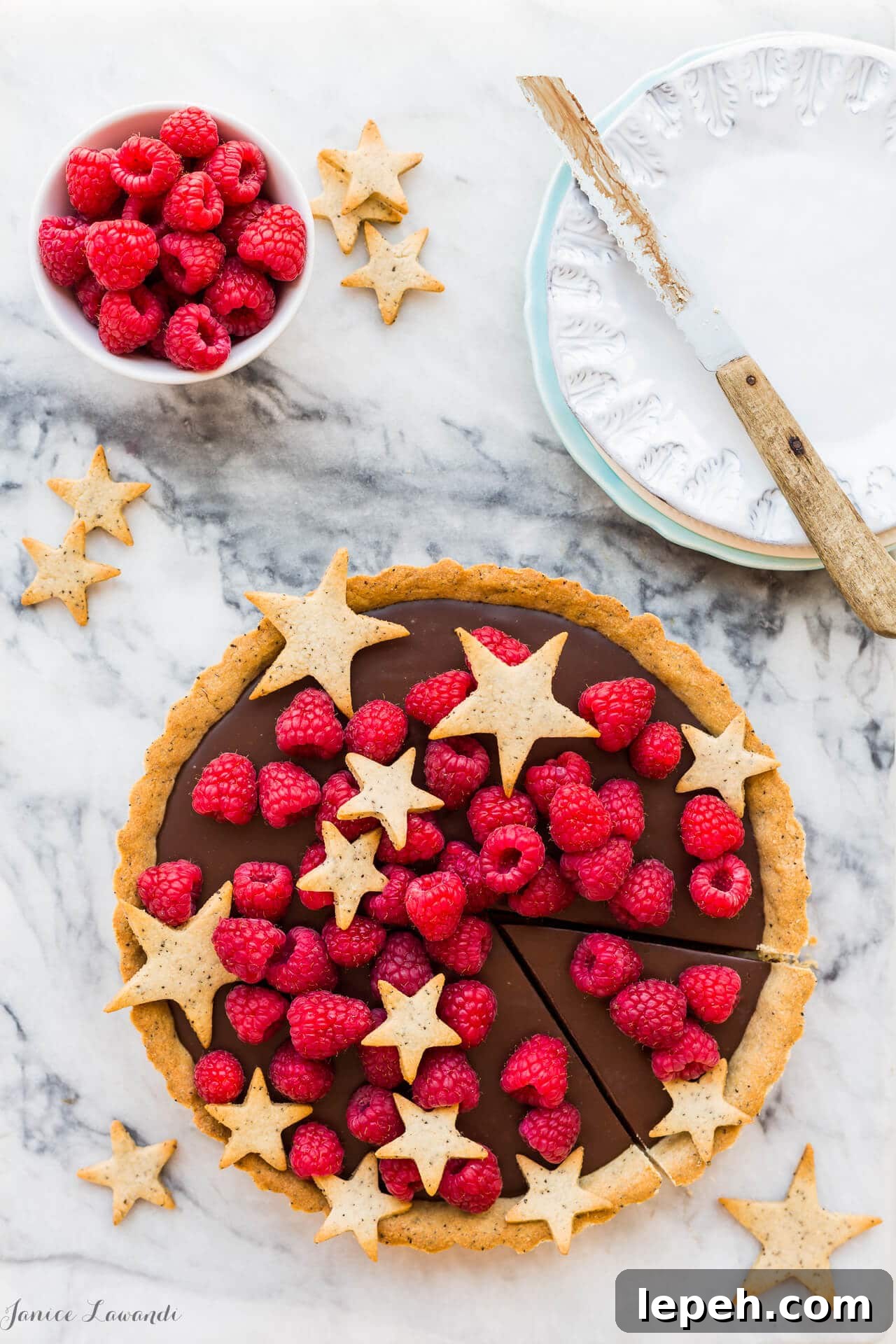
Frangipane is an almond-flavored filling traditionally made from pastry cream and almond paste; in North America it is sometimes used interchangeably with almond cream made from butter, ground almonds, and eggs.
G
Ganache is a simple mixture of chocolate and warm cream that sets to a smooth filling or glaze. Ratios vary by chocolate type; a 1:1 weight ratio is common for dark chocolate ganache. When chilled, ganache firms enough to shape into truffles.
Gelatin is a gelling agent derived from animal collagen, sold as powder or sheets. It provides structure to mousses, panna cottas, and marshmallows, and different products have different gelling strengths.
H
I
J
Jam is fruit cooked with sugar until it reaches the set point, producing a spreadable preserve often cooked to around 215ºF (102ºC).
K
L
Leavening agents are ingredients or techniques that introduce gas into doughs and batters so they rise. Chemical leaveners include baking soda and baking powder; natural leaveners include yeast and steam from eggs or water.
M
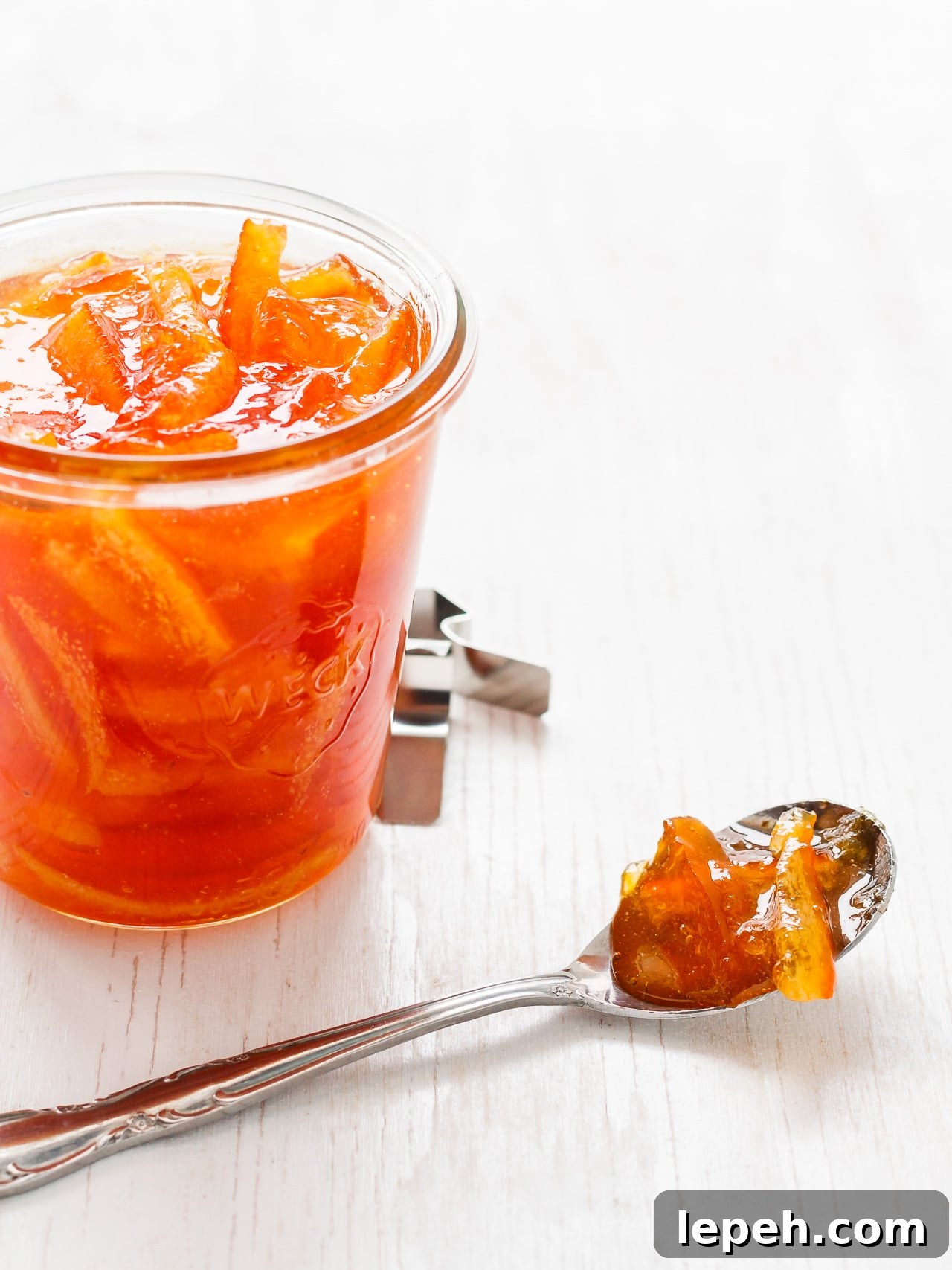
Marmalade is a citrus preserve often made with peel and pulp. Achieving the right set requires attention to cooking temperature and pectin content.
Measuring cups are used to measure volumes of ingredients. Cup sizes vary by region; on this site 1 cup equals 250 mL. Use dry and liquid measuring cups as intended for accurate results.
Meringue is whipped egg whites with sugar. Types include:
- French meringue — egg whites whipped with sugar; least stable.
- Swiss meringue — egg whites and sugar warmed over a bain-marie while whipping; more stable.
- Italian meringue — hot sugar syrup is poured into whipped whites; the most stable and used for frostings like Italian meringue buttercream.
Molasses is a dark cane syrup with several grades: fancy (milder and commonly used in baking), light (mildest), cooking (blend of fancy and blackstrap), and blackstrap (strong, bitter—used sparingly).
N
O
P
Pastry cream is a thick custard made from milk, egg yolks, sugar, and a thickener such as cornstarch or flour. Unlike crème anglaise, pastry cream is cooked to a boil so the starch gelatinizes and thickens the mixture.
Pectin is a natural gelling substance found in many fruits. It helps jams and jellies set; high-pectin fruits like red currants are often used to help set lower-pectin fruits.
Pith is the bitter white layer beneath citrus peel and is usually avoided in recipes because of its unpleasant taste.
Pound cake traditionally uses equal weights of butter, sugar, eggs, and flour. Modern versions may include chemical leaveners, but the name stems from the original pound-based proportions.
Preserves are fruit cooked with sugar similar to jam but typically with larger fruit pieces. The term also applies broadly to home-canned fruit spreads.
Puff pastry is a laminated dough that rises into many flaky layers using only layers of fat and dough; it does not use yeast.
Q
R
S
Shortbread is a tender cookie made from sugar, butter, and flour (a classic ratio is often cited as 1:2:3 by weight). Salt is added when using unsalted butter.
Sponge cake is an airy cake that relies on well-whipped eggs or whites for lift rather than chemical leaveners. Variations include warm-milk sponge cakes where milk and butter are combined before folding into the batter.
Sugar comes in many forms used in baking:
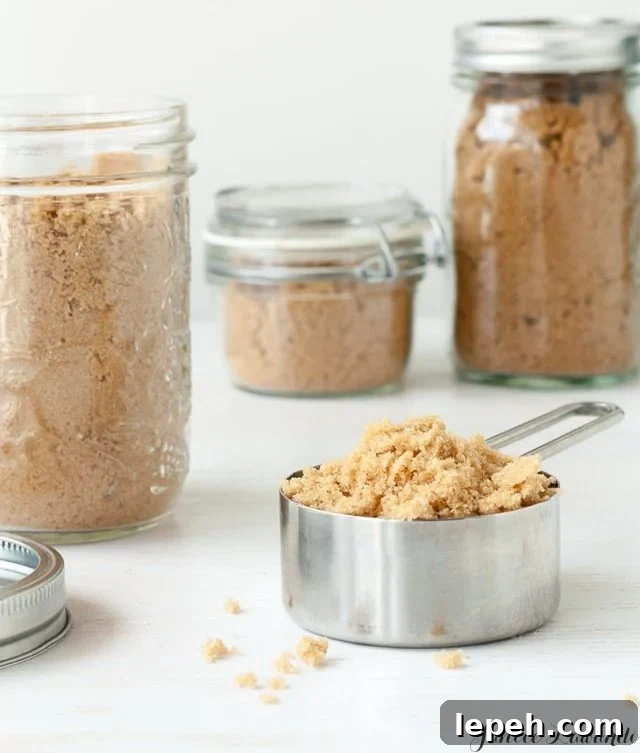
- Brown sugar — white sugar blended with molasses, available as light or dark brown.
- Demerara sugar — a coarse, lightly golden sugar.
- Granulated sugar — common white sugar used in many recipes.
- Icing/powdered sugar — finely ground sugar often blended with a small amount of starch to prevent clumping.
- Muscovado sugar — a partially refined sugar with a strong molasses flavor.
- Pearl sugar — coarse, non-melting sugar used for topping waffles and breads for crunch.
- Turbinado sugar — coarse, golden sugar used for coatings and crunchy garnishes.
Sweet shortcrust (pâte sucrée) is a sweet tart dough that often contains ground almonds and yields a crisp, cookie-like shell.
T
Tablespoon (T) is commonly 15 mL in North America; note that in some countries, such as Australia, a tablespoon equals 20 mL, so check measurements when converting recipes.
Teaspoon (t) is 5 mL in most measurement systems; three teaspoons equal one tablespoon in North American measures.
Temper refers to gently warming eggs by slowly adding hot liquid while whisking so the eggs don’t scramble; this is used when finishing custards or curds on the stove.
Tempering also describes the process of heating and cooling chocolate to encourage stable crystal formation so the chocolate sets glossy, snaps cleanly, and resists melting.
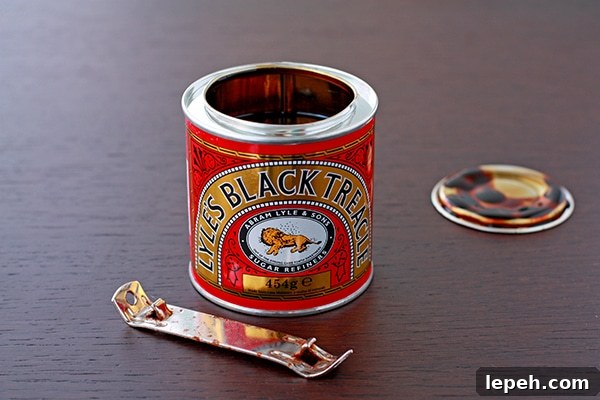
Treacle is a family of dark syrups used in UK recipes:
- Golden syrup (light treacle) is an invert sugar syrup commonly used in British baking.
- Dark treacle is richer and more robust, used in gingerbreads and other traditional recipes.
U
V
W
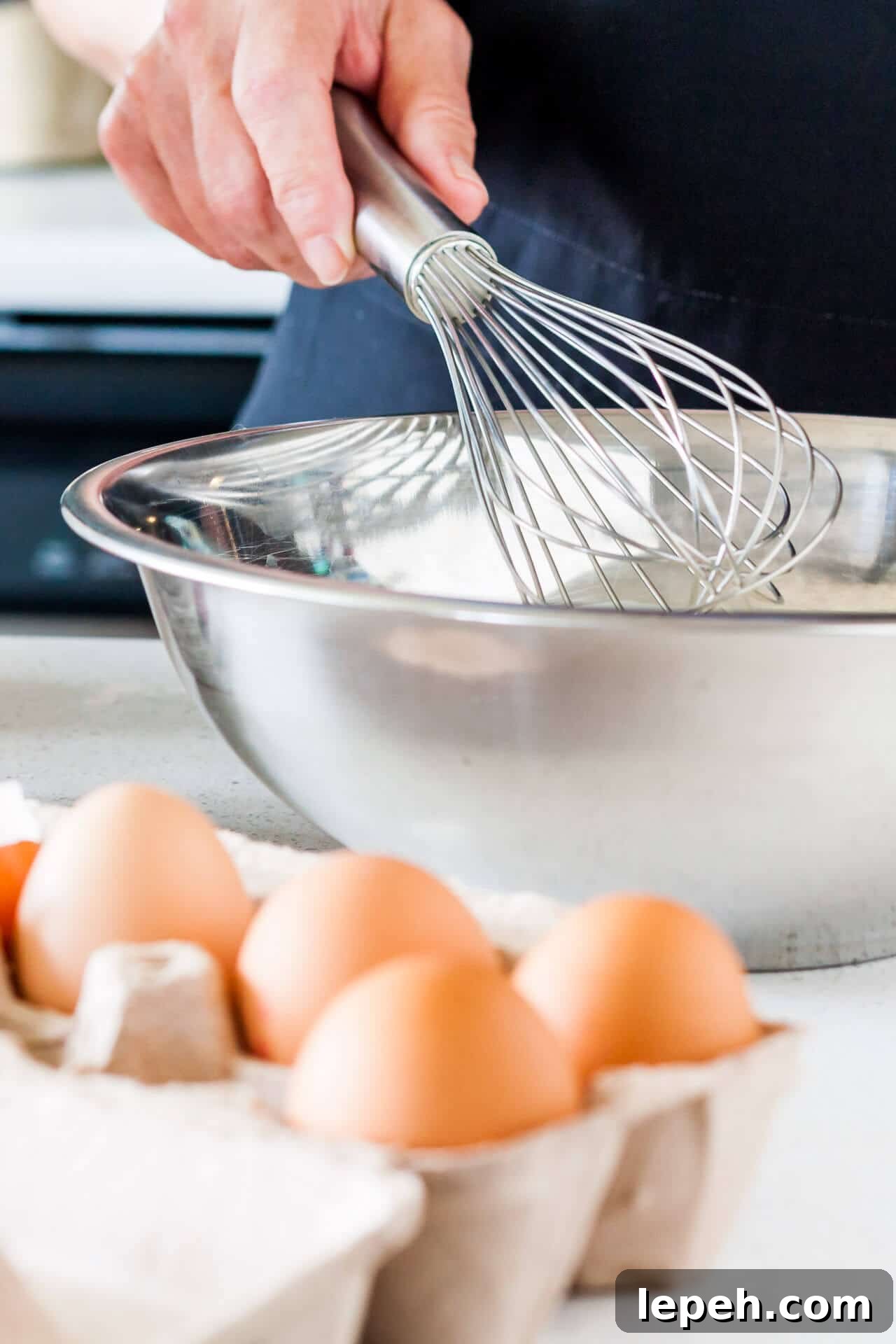
Whipping means beating a mixture vigorously with a whisk or mixer to incorporate air, commonly used for cream, egg whites, or batters that require volume.
X
Y
Yeast is a living single-celled fungus (Saccharomyces cerevisiae) used in bread and other fermented doughs. Yeast feeds on sugars and produces carbon dioxide, which leavens dough and contributes flavor.
Z
Zest is the thin, colorful outer layer of citrus peel that contains fragrant oils and bright flavor. Zest is used to add citrus aroma without the bitterness of the underlying pith.