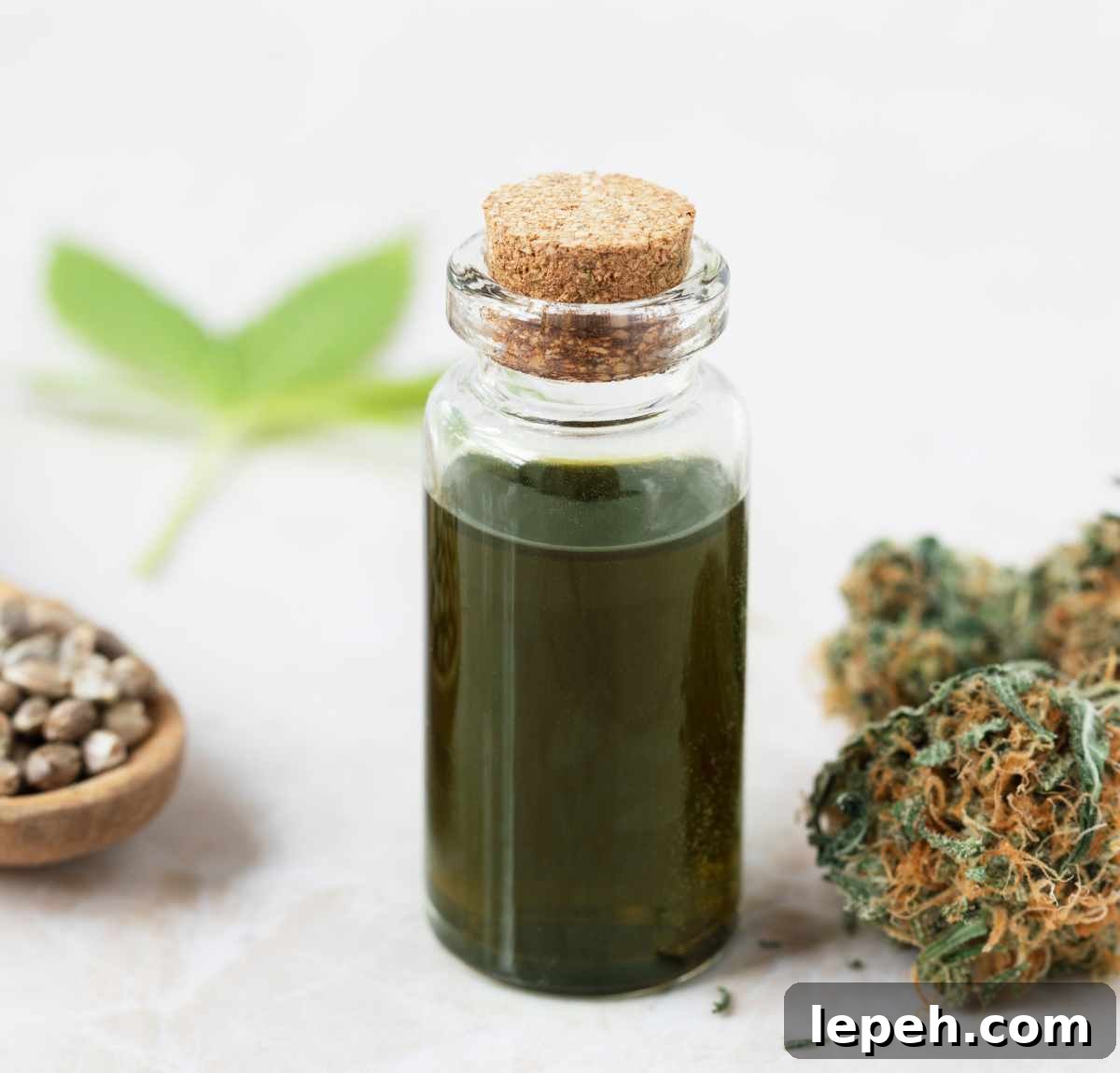
In the growing market for natural wellness products, many people wonder whether CBD oil and hemp oil are the same. Questions like “Is CBD and hemp oil the same?” or “Does hemp oil contain CBD?” are common. This article clarifies the differences, dispels common misconceptions, and outlines each oil’s uses and benefits.
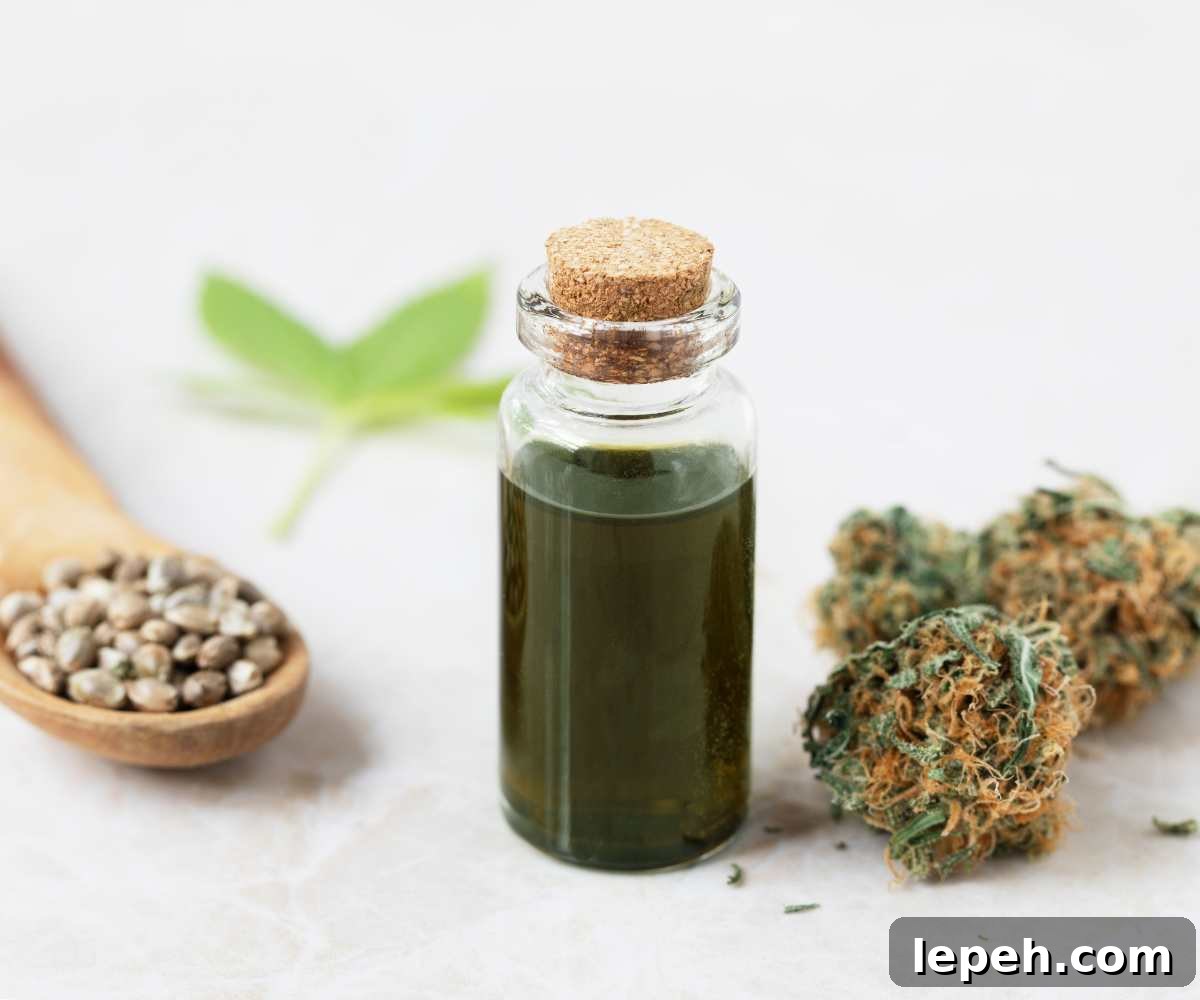
Hemp Oil vs CBD Oil: Understanding the Basics
What is Hemp Oil?
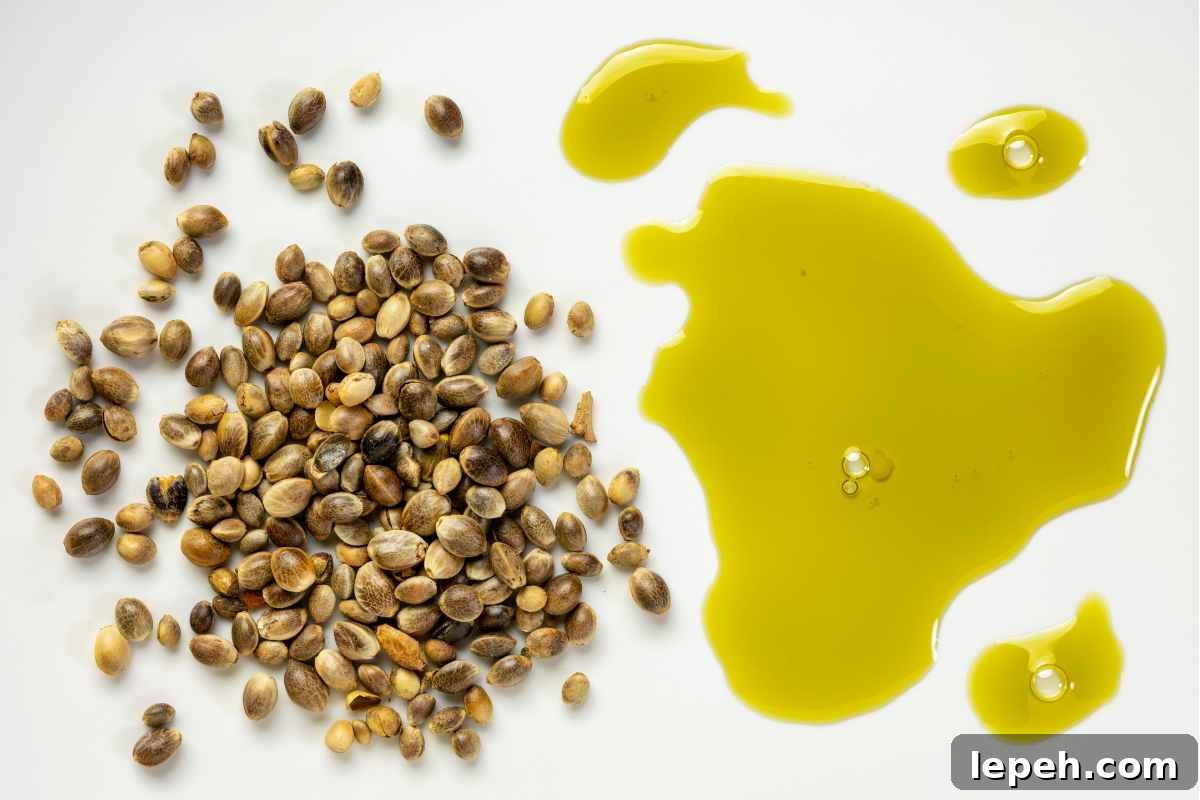
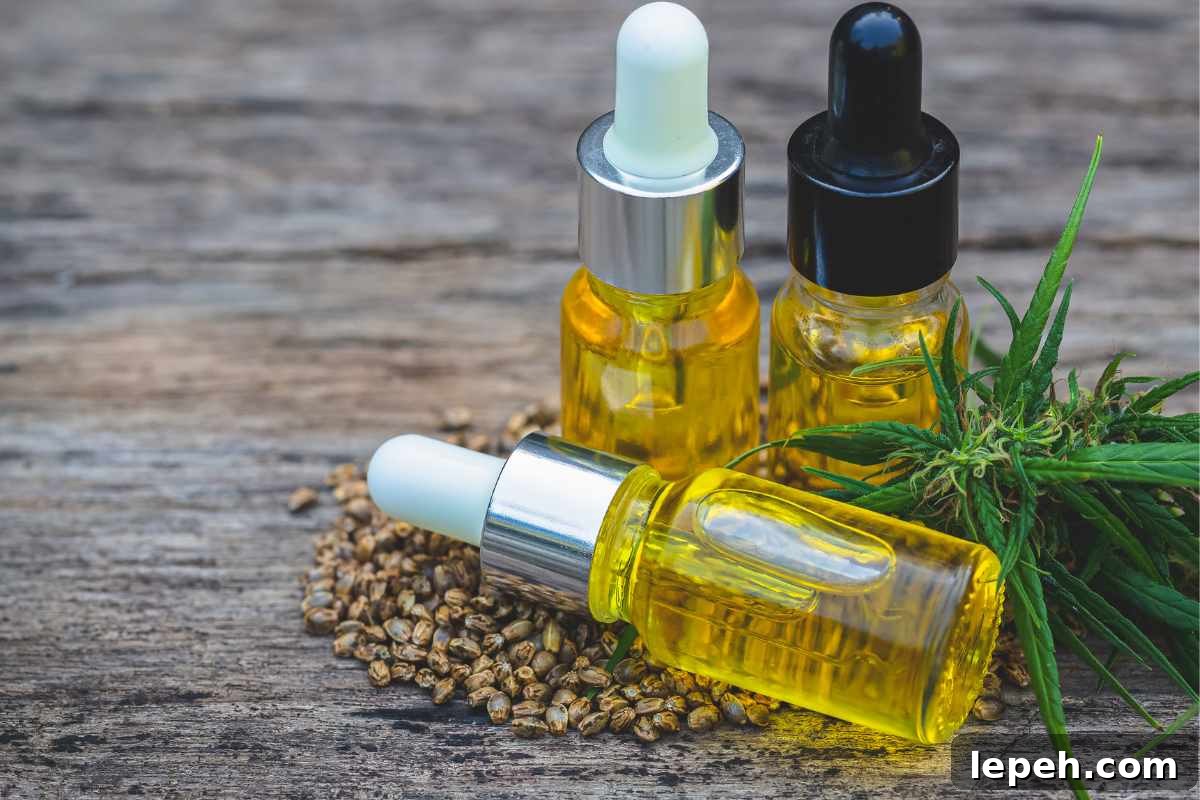
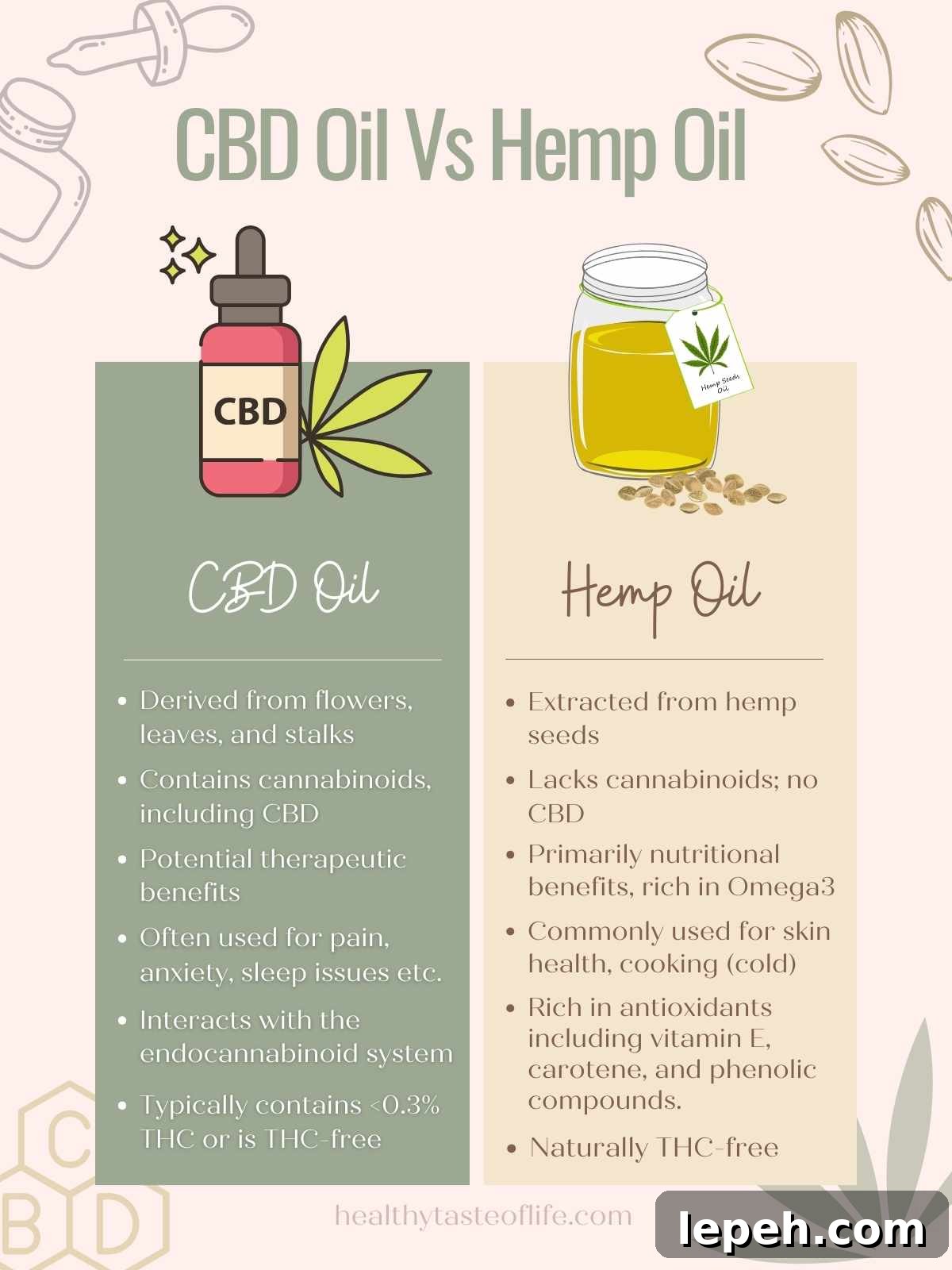
Hemp oil, commonly called hemp seed oil, is produced by cold-pressing the seeds of the hemp plant. Because it comes from the seeds rather than the flowers or leaves, hemp seed oil contains little to no cannabinoids, including CBD. Instead, it’s prized for its nutritional profile: a rich source of essential fatty acids, vitamins, and antioxidants. People use hemp seed oil in cooking, as a dietary supplement, and in skincare products for its moisturizing and anti-inflammatory properties.
What is CBD Oil?
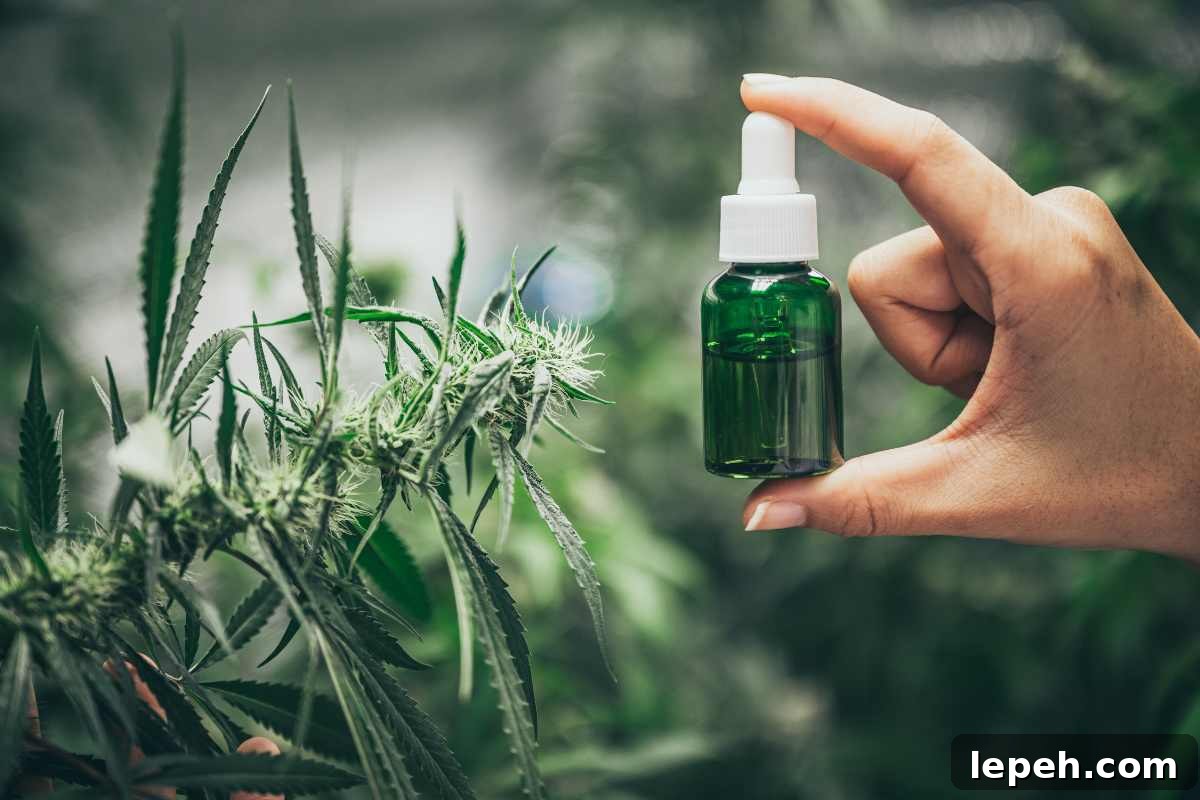
CBD (cannabidiol) oil is extracted from the flowers, leaves, and stalks of the hemp plant or other cannabis varieties. Unlike hemp seed oil, CBD oil contains cannabinoids and is used for its potential therapeutic effects. CBD interacts with the body’s endocannabinoid system and is commonly marketed to support relief from pain, anxiety, sleep disturbances, and inflammation. CBD oil is sold in different formats—full-spectrum, broad-spectrum, and CBD isolate—each with different cannabinoid profiles.
Dispelling the Myth: Is Hemp Oil and CBD Oil the Same Thing?
Short answer: no. While the terms are sometimes used interchangeably in casual conversation, hemp seed oil and CBD oil are distinct products with different sources and components. The critical difference is the part of the plant used for extraction and the resulting cannabinoid content. CBD oil can be derived from hemp or marijuana plants; hemp-derived CBD typically contains 0.3% THC or less (in regions where that limit applies), while marijuana-derived CBD may include higher THC levels. Always check product labels and third-party lab test results to confirm contents.
The CBD Content
Does Hemp Oil Contain CBD?
A common misconception is that all hemp-based oils contain CBD. Pure hemp seed oil does not contain CBD because cannabinoids are concentrated in the flowers and leaves, not the seeds. When product names include phrases like “hemp CBD oil,” that generally refers to CBD oil sourced from hemp biomass or to CBD extract blended into a hemp seed oil carrier.
How Much CBD is in Hemp Oil?
Because true hemp seed oil is pressed from seeds, it contains virtually no CBD. CBD oil, by contrast, has measurable quantities of cannabidiol that vary depending on extraction method, product formulation, and concentration. Manufacturers often dilute CBD extracts in a carrier oil such as MCT oil, olive oil, or sometimes hemp seed oil for dosing convenience.
Benefits and Uses
Hemp Seed Oil Benefits
Hemp seed oil is a nutritional powerhouse. It provides a balanced ratio of omega-3 to omega-6 fatty acids, vitamin E, and other antioxidants that support skin health, reduce inflammation, and nourish hair. It’s often incorporated into salad dressings, smoothies, topical creams, and cosmetic formulations. Its mild, nutty flavor makes it suitable for cold preparations rather than high-heat cooking to preserve its nutritional value.
CBD Oil Benefits
CBD oil is used for its interaction with the endocannabinoid system and is researched for a range of potential benefits. Users report improvements in anxiety, sleep quality, chronic pain management, and inflammation. Scientific research is ongoing, and while some studies show promising results, more high-quality clinical trials are needed. Consumers should select products with clear labeling and third-party testing to ensure potency and purity.
Cannabis Oil vs Hemp Oil
The term “cannabis oil” is general and can describe any oil derived from cannabis plants, including both hemp and marijuana varieties. That means all hemp seed oils and CBD oils fall under the broader category of cannabis oils, but not all cannabis oils are CBD-rich or derived from hemp seeds. Understanding the source material and extraction method helps distinguish among these products.
FAQs About Hemp Oil vs CBD Oil
CBD oil is primarily extracted from the flowers, leaves, and stalks of the hemp plant, where cannabinoids are concentrated.
Legal status varies by jurisdiction. In many places, hemp-derived products with 0.3% THC or less are legal, but regulations differ between countries and states. Check local laws before purchasing or using CBD products.
Hemp seed oil is suitable for cold use or low-heat applications due to its delicate fatty acids. High heat can degrade both CBD and hemp seed oil, so cooking at high temperatures is not recommended for preserving their beneficial compounds.
Yes. Hemp seed oil is rich in omega fatty acids and antioxidants, making it effective for moisturizing, soothing inflammation, and promoting overall skin health.
Hemp seed oil lacks the cannabinoids found in whole-plant cannabis, but allergies vary. If you have known sensitivities, consult a healthcare provider and perform a patch test before regular use.
Read product labels carefully: genuine CBD oil will list cannabidiol or CBD and typically include a concentration. Trusted brands provide third-party lab reports (COAs) verifying cannabinoid content and purity.
In Conclusion
Understanding the difference between hemp seed oil and CBD oil is essential for choosing the right product. Hemp seed oil offers nutritional and topical benefits without cannabinoids, while CBD oil contains cannabidiol and is used for its potential therapeutic effects. To make safe, informed choices, buy from reputable brands, look for third-party testing, and consult a healthcare professional when in doubt.
Related Articles
©HealthyTasteOfLife. Content and photographs are copyright protected and need prior permission to use. Copying and/or pasting full recipes to other websites and any social media is strictly prohibited. Sharing and using the link of this recipe is both encouraged and appreciated.