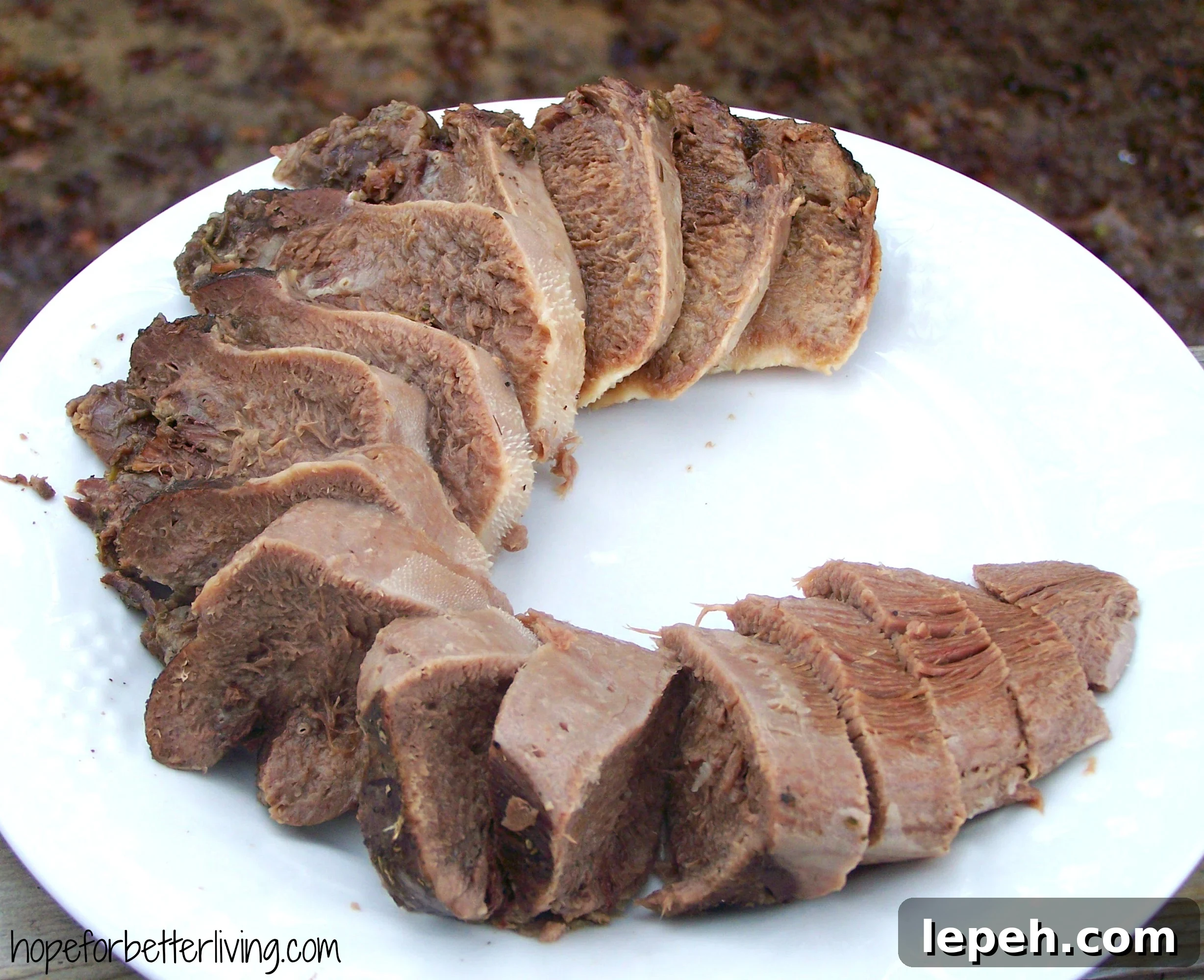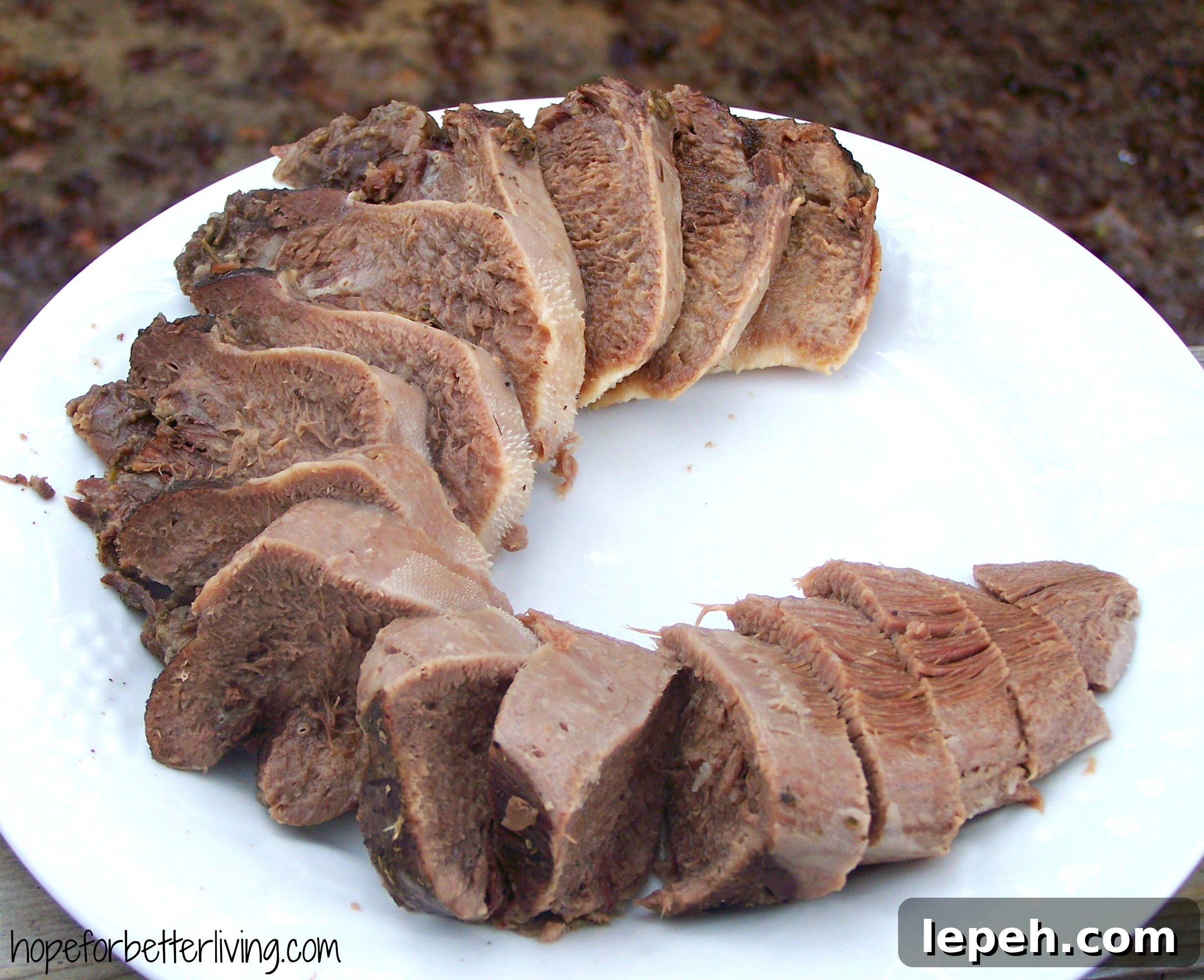
Beef tongue is one of the most flavorful and tender cuts you can cook. With a rich, marbled texture and tenderness that can surpass a sirloin, tongue is worth seeking out. Once you learn how to prepare it, you may find yourself wanting it often.
Purchasing Tongue
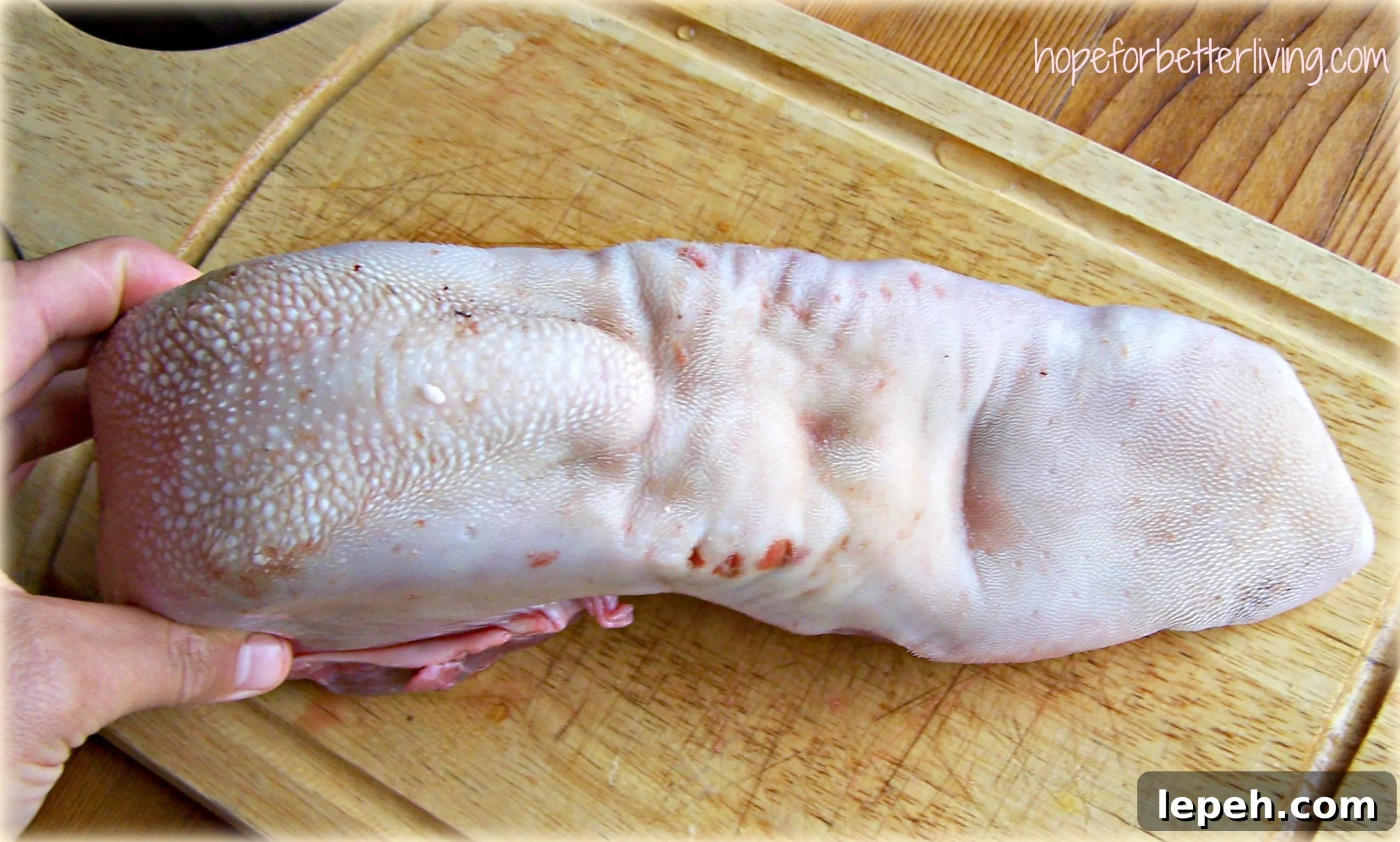
If you don’t butcher your own beef, you can sometimes find beef tongue at larger grocery stores or wholesale retailers. Some stores, like Costco, occasionally carry packaged tongues from specialty processors. If you do butcher, removing the tongue is straightforward and fast.
Removing the Tongue on Butchering Day
Remove the tongue after the animal has been skinned and the head detached. Pry the mouth open wide enough to slide a blade between the teeth. If needed, have someone help hold the mouth open. Use a sharp knife to slice the cheeks toward the back of the head so you can access the full tongue.
With the cheeks opened, slip the blade beneath the tongue and reach as far back as possible. Cut through the base where the tongue connects in the throat. Rinse the tongue thoroughly at home and either cook it right away or freeze for later use.
How to Cook Beef Tongue
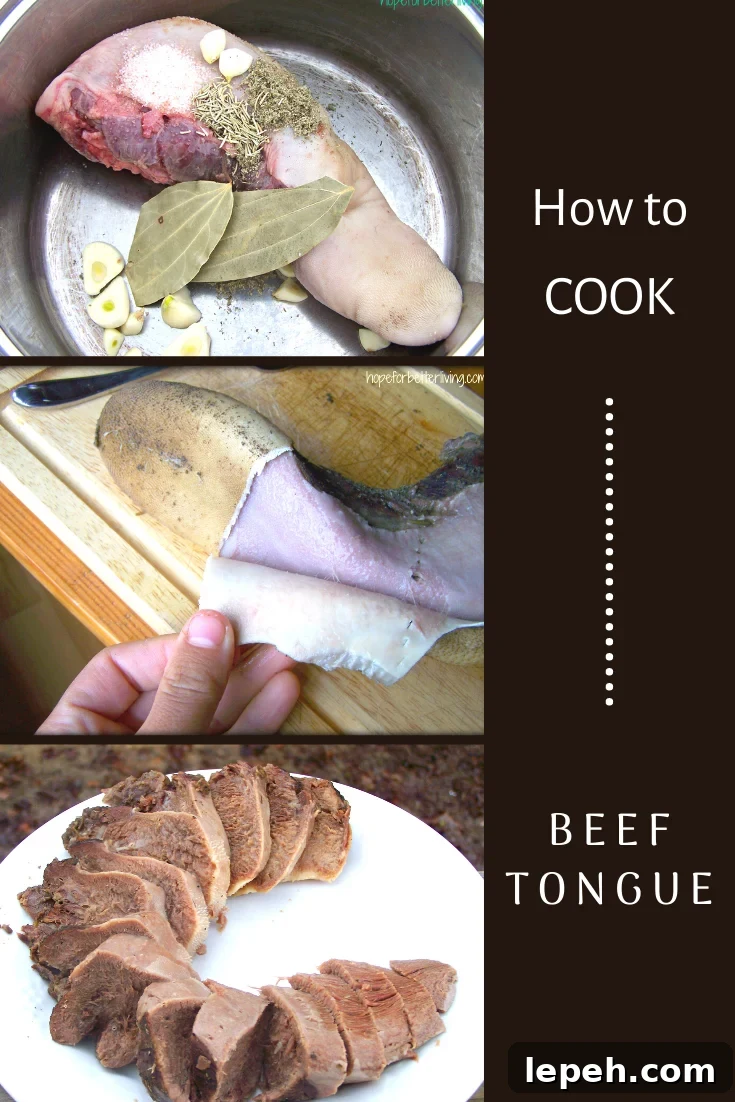
Because beef tongue has a thick, tough outer skin, the easiest method is to boil it first and then peel the skin away. This produces tender, flavorful meat with minimal fuss.
Add Salt, Herbs and Water
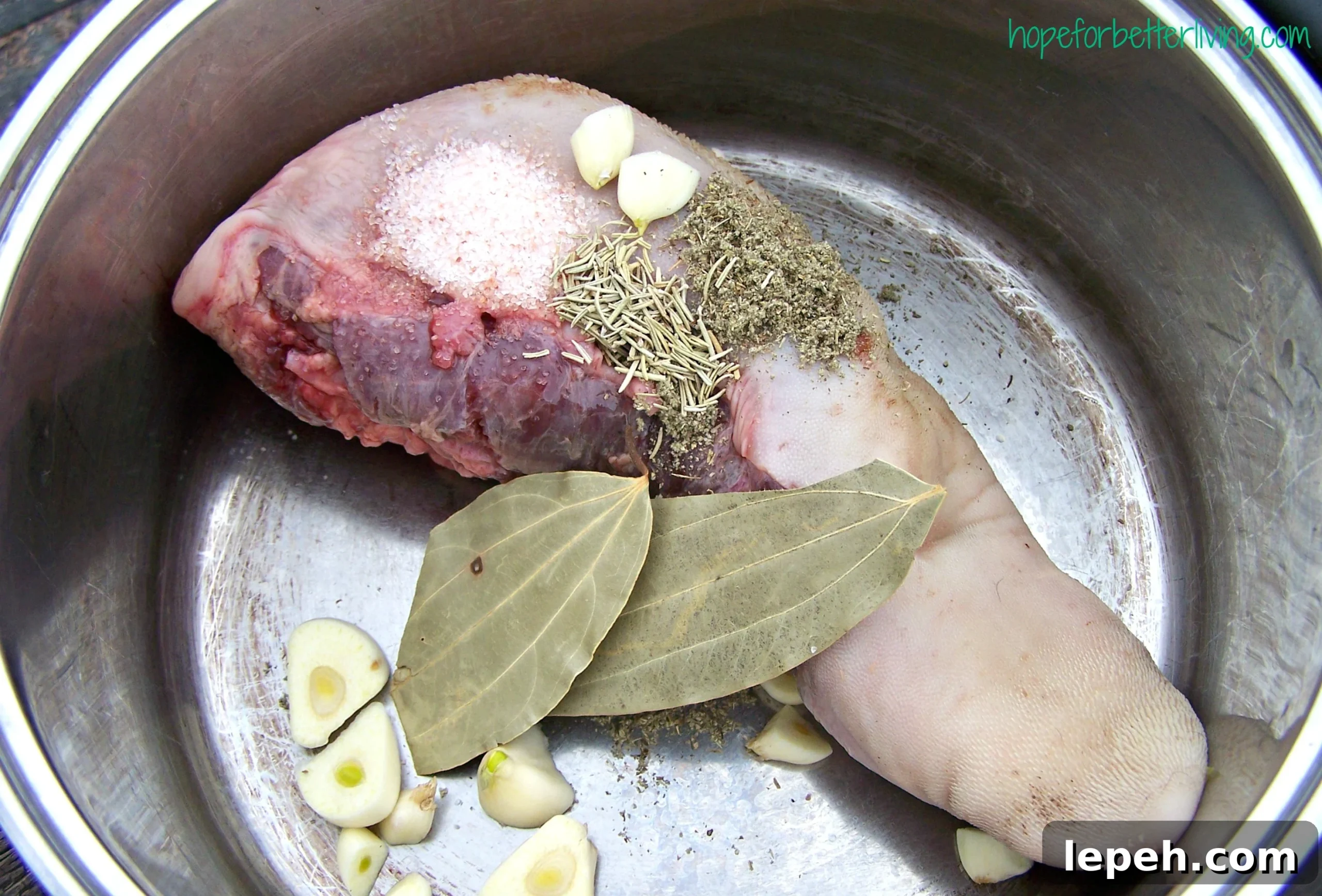
If the tongue is frozen, thaw it before cooking. Resist the urge to remove the skin before cooking — keeping the skin on saves meat and time. Place the tongue in a large pot and add aromatic seasonings. A simple combination works well:
- 2 tsp Himalayan salt
- 1 tsp rubbed sage
- 1/2 tsp rosemary
- 6 large garlic cloves, sliced
- 2 bay leaves
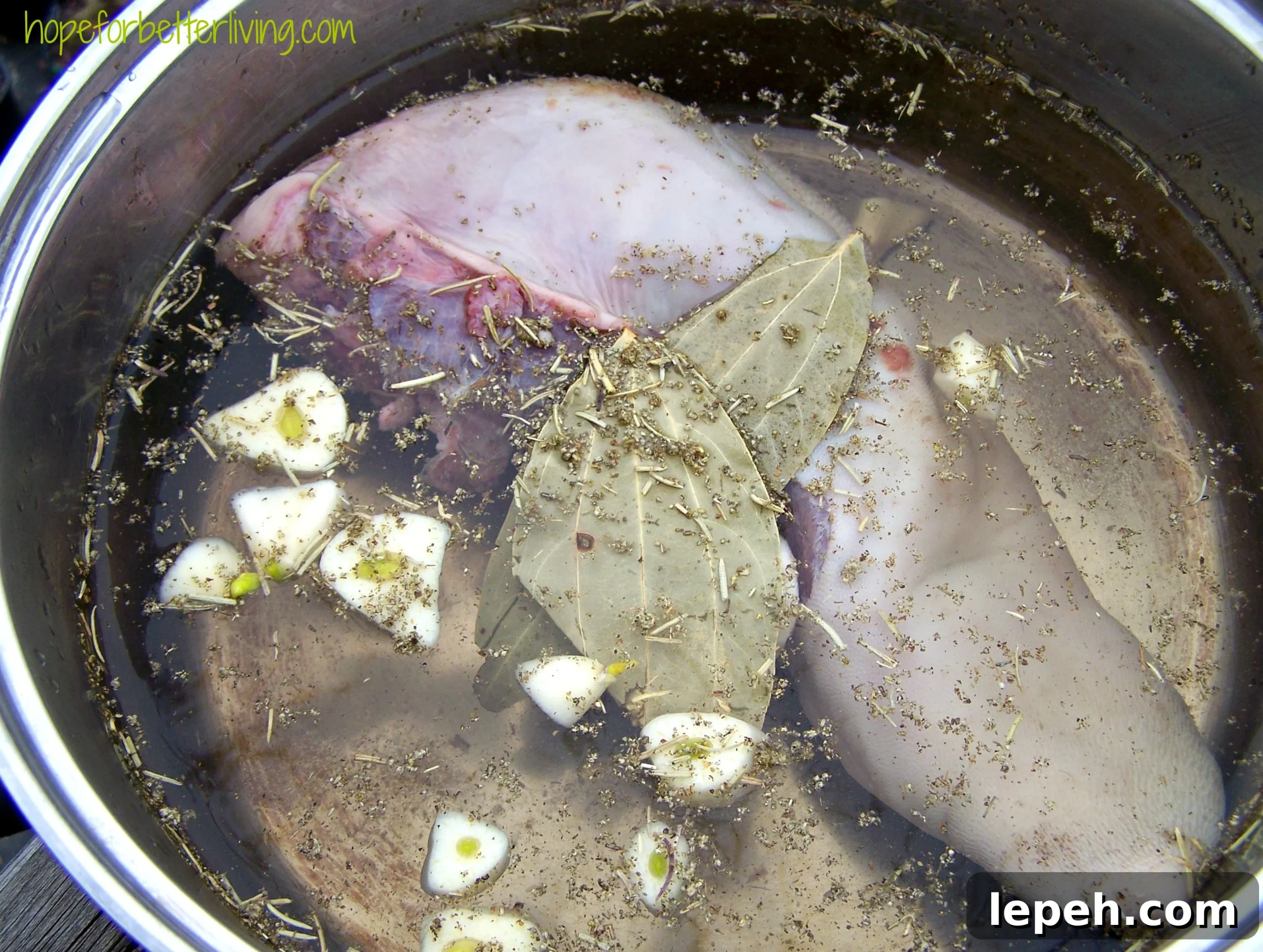
Cover the tongue with water — how much depends on the pot size and the tongue. For example, a 1.12 lb (508 g) tongue needed about 8 cups of water to be mostly covered.
Boil the Tongue
Put a lid on the pot and bring the water to a rolling boil, then reduce to a gentle simmer. Set a timer for about two hours and check doneness with a fork. When a fork slides into the meat with little resistance, the tongue is done. If it still feels tough, continue simmering and test every 20 minutes to avoid overcooking.
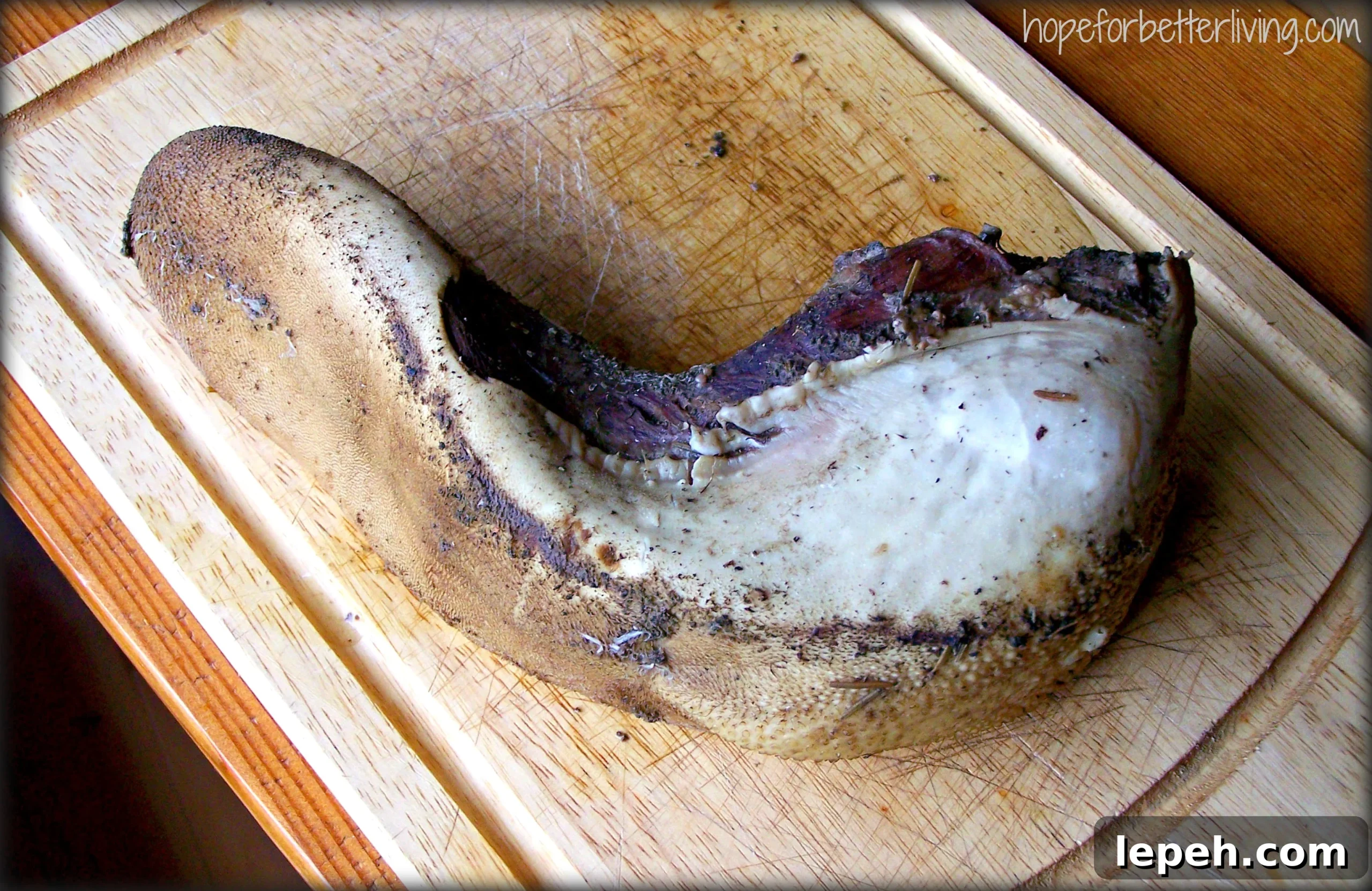
When tender, remove the tongue from the cooking liquid and transfer it to a cutting board to rest.
Peel the Tongue
After boiling, the appearance can be off-putting, but the result is worth it. Use your fingers to peel the outer skin starting from the underside at the base, pulling gently toward the tip. Beneath the skin you’ll find tender pink flesh; exposure to air will darken the color slightly over the next 30 minutes.
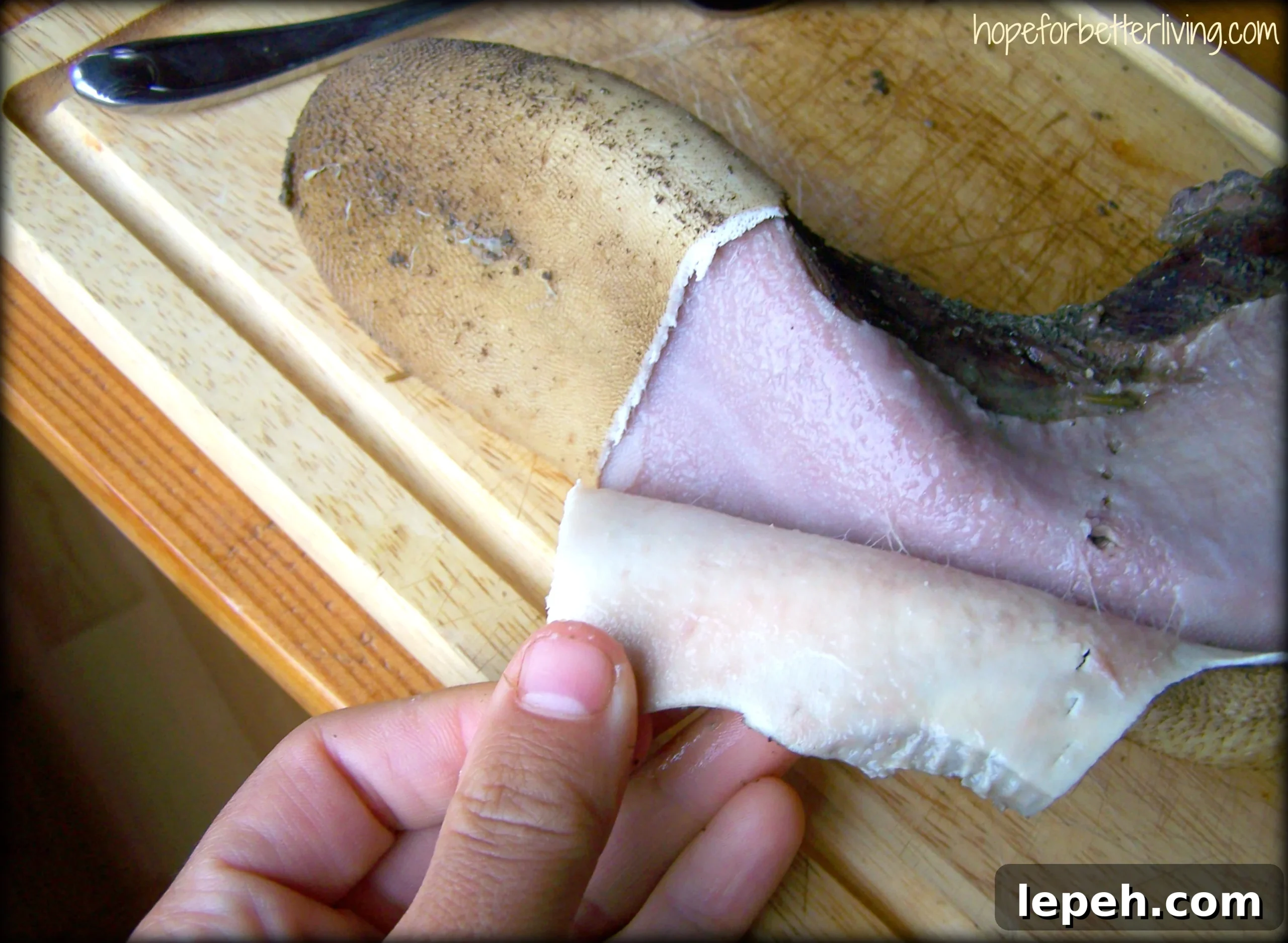
You may notice a slightly sticky layer under the skin — don’t worry, it won’t affect the taste or texture of the finished meat.
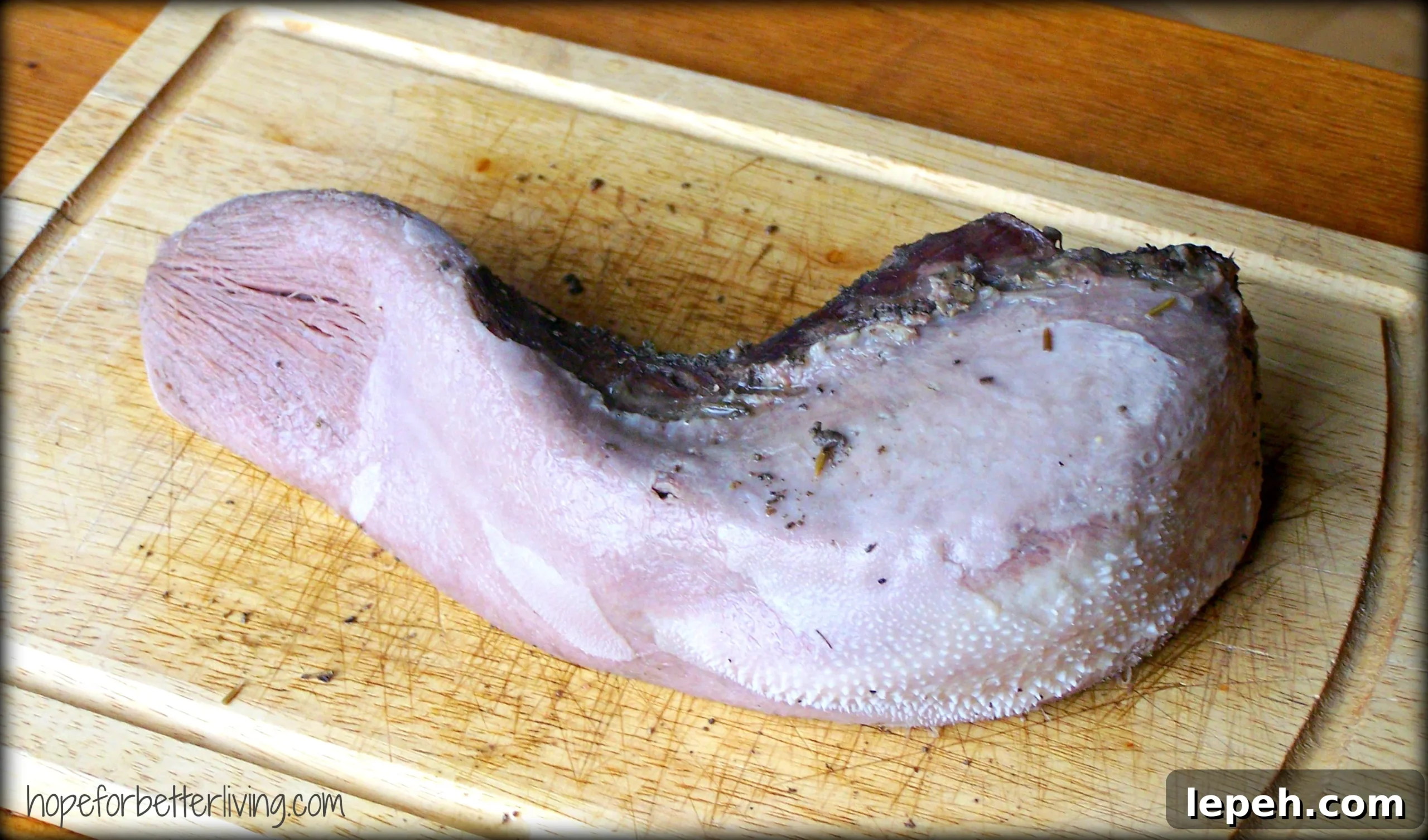
Gently Slice the Tongue
Use a sharp knife to slice the tongue as you would a roast. The meat is very tender and can fall apart, so slice gently unless you prefer shredded tongue.
Serving Suggestions
Cooked beef tongue resembles roast beef in color and texture and can be used in a variety of dishes. It makes excellent fillings for tacos or wraps, flavorful sandwiches, or a comforting plate served with mashed potatoes and gravy. Enjoy the rich, tender meat that many find surprising and delicious.