
This beginner-friendly royal icing recipe walks you through each step so you can achieve smooth floods and crisp piping. With a few practical tips and clear instructions, you’ll be decorating cookies like a pro in no time.

Why Royal Icing Is So Useful
Royal icing is a go-to for bakers who want reliable, attractive decorations. It’s incredibly versatile and works for everything from delicate piping to smooth flooding. Here are the main reasons to use it:
- Versatility: Use it for fine piping, borders, flood fills, and dimensional accents.
- Durability: When dry, royal icing hardens into a sturdy shell that travels and stores well.
- Customization: Gel or concentrated food colorings let you achieve a full spectrum of hues without changing consistency much.
- Precision: It dries relatively quickly, making it suitable for crisp lines and layered details.
- Storage Life: Properly dried and stored, decorated cookies can keep for weeks, making this icing ideal for gifting and holiday baking.
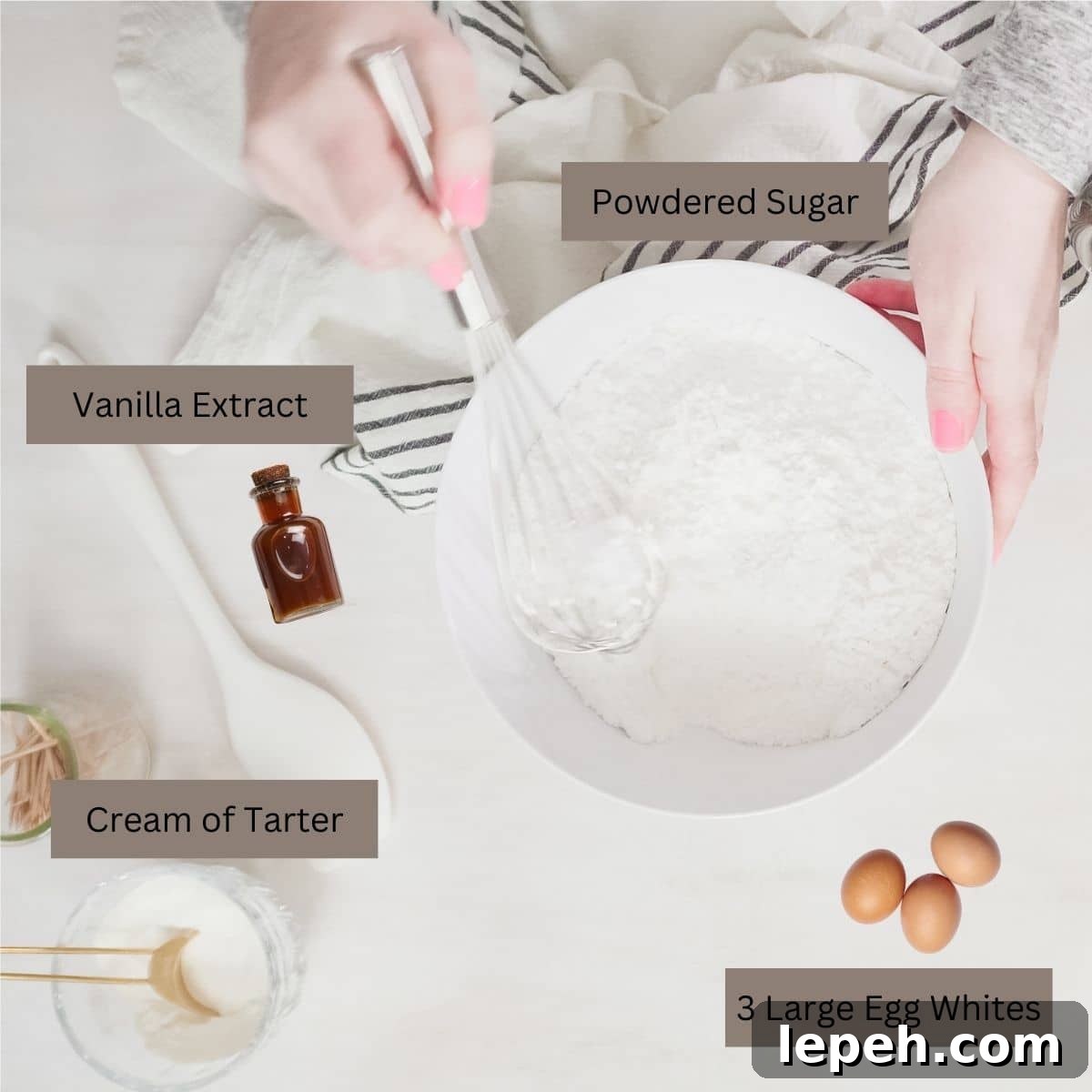
Ingredients
- 3 large egg whites, at room temperature
- 1 teaspoon cream of tartar
- 1 teaspoon vanilla extract
- 1 pound powdered sugar, sifted
- *Optional: gel or liquid food coloring
Equipment
- Medium mixing bowl
- Electric mixer with whisk attachment
- Piping bags and tips
How to Make Royal Icing
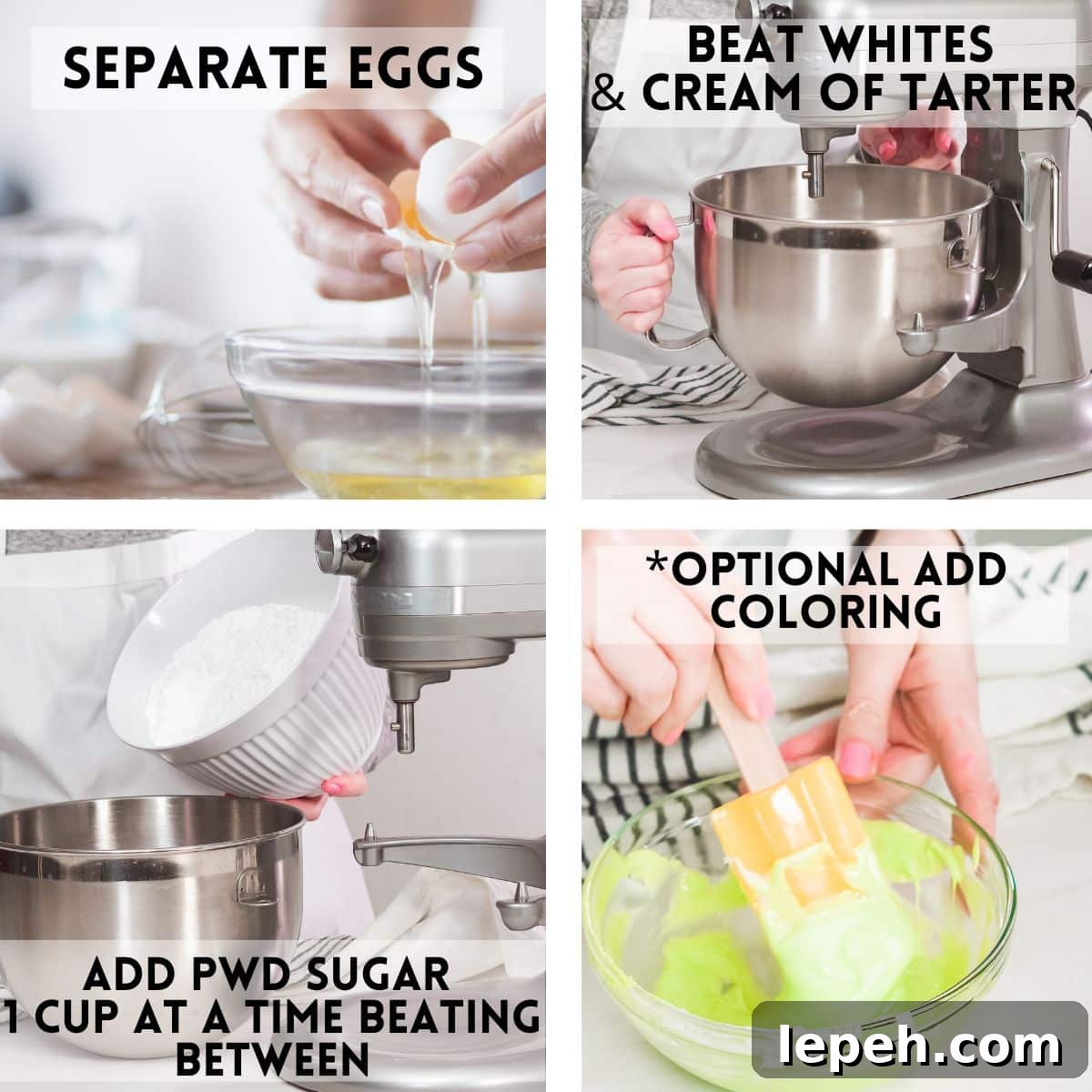
- Whip the egg whites: In a clean, dry bowl, beat egg whites with the cream of tartar on medium speed until soft peaks form—peaks should be soft and slightly floppy.
- Add the sugar gradually: Add sifted powdered sugar one cup at a time on low speed until incorporated. After each addition, increase speed briefly to bring the mixture back to soft peaks.
- Beat to stiff peaks: Increase the mixer to high and beat until the icing is glossy and holds stiff peaks.
- Flavor: Mix in the vanilla extract. You can substitute other extracts (almond, coconut, orange) if desired.
- Color (optional): Divide icing into small bowls and stir in gel coloring a little at a time until you reach the shade you want.
- Fill piping bags: Fit piping bags with tips, fold the top down, and spoon in icing using a spatula. Twist the bag closed and pipe by holding it upright and squeezing gently. A coupling makes changing tips easier; warming the icing slightly can help with very thick consistencies.
- Decorate: Use your prepared bags to pipe outlines, details, or flood cookies. Allow each layer to crust or dry as needed before adding additional details.
Recipe Tips
- Start clean: Any grease or moisture in bowls and beaters can prevent egg whites from whipping properly.
- Use room-temperature eggs: They whip more easily and yield a smoother icing.
- Adjust consistency: Add sifted powdered sugar for stiffer icing or a few drops of water for thinner icing used for flooding.
- Test first: Pipe a small sample on parchment to check flow before decorating your cookies.
- Storage: Keep unused icing in an airtight container in the refrigerator; bring to room temperature and stir before reusing.
Adjusting Consistency
Different techniques require different consistencies. Use these simple adjustments:
Thinner (for flooding): Add cold water a few drops at a time and mix gently until the icing flows smoothly but still holds some shape.
Thicker (for piping): Gradually add sifted powdered sugar until the icing holds sharper edges and doesn’t run.
Practical tips:
- Add liquids or dry ingredients in small increments to avoid over-adjusting.
- Test flow on parchment paper before decorating cookies.
- Be patient—small changes make a big difference.
Sugar Cookie Icing vs. Royal Icing
Both icings are suitable for cookies but serve different purposes:
- Sugar cookie icing: Usually softer and quicker to prepare; great for easy flooding and forgiving designs.
- Royal icing: Dries hard and glossy, ideal for detailed piping, layered decorations, and a polished finish.
Recipe Card
This recipe yields about 3 cups of royal icing—enough to decorate a batch of cookies. If you try it, feedback is always appreciated.

Easy Royal Icing Recipe
Ingredients
- 3 large egg whites at room temperature
- 1 teaspoon cream of tartar
- 1 teaspoon vanilla extract
- 1 pound powdered sugar sifted
- *Optional Food coloring gel or liquid
Instructions
-
Whip Egg Whites: Beat egg whites and cream of tartar on medium speed until soft peaks form.
-
Gradually Add Sugar: Add powdered sugar a cup at a time on low speed, then whip to bring back to soft peaks after each addition.
-
Increase Speed: Beat on high until stiff, glossy peaks form.
-
Add Flavoring: Stir in vanilla or another extract to taste.
-
Color: Divide into bowls and add food coloring a little at a time until you reach the desired shade.
-
Fill Bags & Pipe: Fill prepared piping bags, twist the top closed, and pipe your designs. Use a coupling for easier tip changes and test flow before decorating cookies.
Notes
- Ingredient temperature: Room-temperature egg whites whip best.
- Clean tools: Ensure bowls and beaters are dry and grease-free.
- Gradual sugar: Add sugar slowly to maintain stability.
- Consistency: Thicken with powdered sugar, thin with a few drops of water.
- Coloring: Gel coloring gives stronger hues without thinning icing.
- Piping tips: Try different tips for varied effects.
- Storage: Store in an airtight container in the fridge; bring to room temperature and stir before use.
- Drying time: Allow decorated items to dry completely before stacking or packaging.
- Practice: Work on scrap parchment to refine your technique.