I went on a doughnut quest recently. After two weeks, six failed batches, a frightening amount of canola oil, and one remarkably patient husband, I finally solved it. This perfected yeast doughnut recipe is the result of those test runs. It makes soft, pillowy doughnuts you can produce in a home kitchen. They’re intentionally large (about 4 inches across) and finished with a double glaze—if you’re frying doughnuts, you may as well go all in.
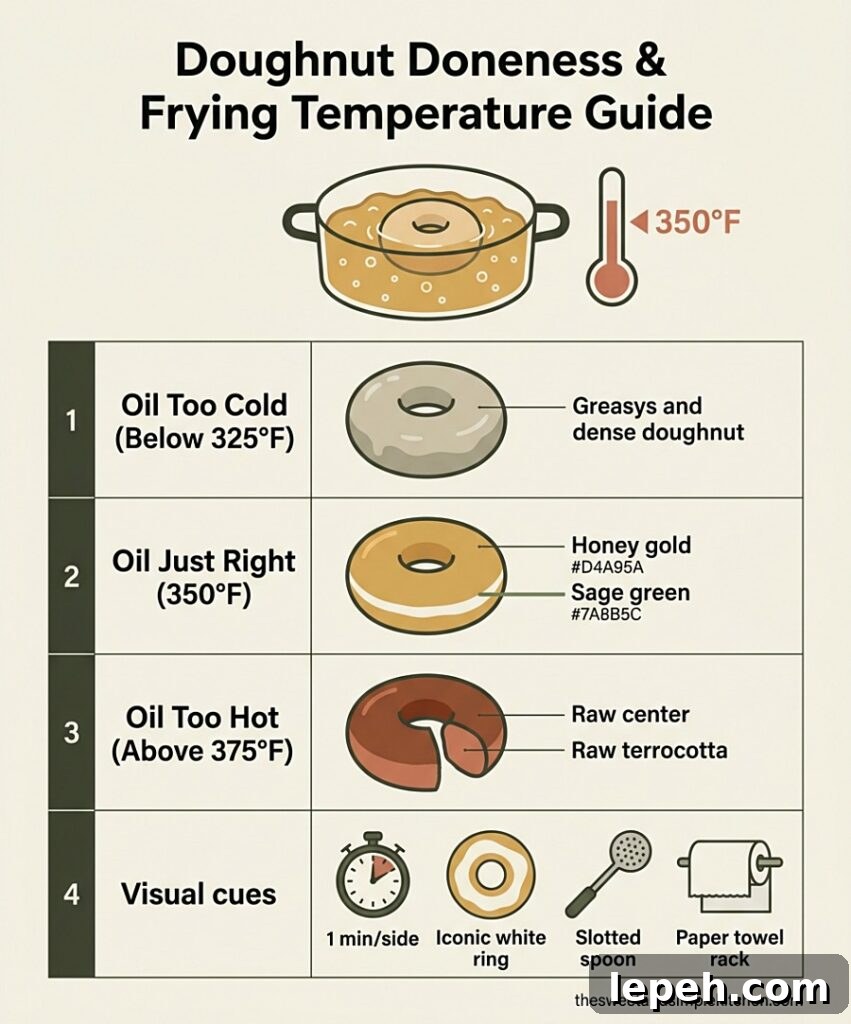
Perfect yeast doughnuts come from an enriched, lightly sweetened dough that rises twice — first cold, then warm — before being fried at 350°F for roughly one minute per side. The cold rest deepens flavor and relaxes the gluten; the warm proof produces that signature lift. Glaze while still slightly warm so the icing sets shiny.
Table of Contents
Perfect Yeast Doughnuts Recipe At a Glance
| Detail | Info |
|---|---|
| Prep Time | 30 minutes |
| Rising Time | 1 hr 30 min (or overnight) |
| Cook Time | 15 minutes |
| Total Time | About 2 hr 15 min (active) |
| Servings | 10–12 large doughnuts + holes |
| Difficulty | Intermediate |
| Calories (approx) | 380 per glazed doughnut |
| Cuisine | American |
Why This Recipe Works
Many homemade doughnut recipes make an acceptable treat, but this version stands out for three reasons I discovered through trial and error:
- A pre-ferment (sponge). Two of the three yeast packets bloom in warm milk with a bit of flour for 30 minutes before the rest of the dough is mixed. That sponge becomes foamy and flavorful and gives the doughnuts a depth and yeast aroma similar to bakery doughnuts.
- A cold rest in the fridge for at least 1 hour. Cold fermentation slows yeast activity just enough to develop more complex flavor and relax the gluten, making the dough easier to roll and giving better structure.
- Bread flour instead of all-purpose. The higher protein content gives more structure and delivers the puffy, tall doughnut you want.
The double glaze is optional but worth it. Dunking once was good—dunking twice was better.
Ingredients (with my honest notes)
For the Doughnut Dough
- 3 packets (¼ oz each) active dry yeast — use active dry yeast for the sponge method; it produces a steady bloom and strong rise.
- 2 tbsp honey — feeds the yeast and adds a subtle, pleasant note.
- 1 tbsp granulated sugar — for the sponge starter.
- 1 cup whole milk, warmed to 110°F — whole milk gives the best texture and richness.
- 1 large egg, room temperature — room temperature eggs help maintain a consistent rise.
- ¼ cup unsalted butter, melted and cooled slightly — adds richness without weighing the dough down.
- 1 tsp pure vanilla extract
- ⅛ tsp ground cinnamon
- ⅛ tsp freshly grated nutmeg — a small amount gives an old-fashioned bakery flavor.
- ½ tsp fine salt
- 2 ¼ – 2 ½ cups bread flour — start with 2 ¼ and add more only if needed for handling.
- Canola or vegetable oil, for frying — about 6 cups, enough for 2 inches of oil in your pot.
For the Vanilla Glaze
- 1 ½ cups icing sugar (powdered sugar)
- 2–3 tbsp warm water
- 1 tsp vanilla extract
For the Chocolate Glaze
- 1 ½ cups icing sugar
- 4 tbsp unsweetened cocoa powder
- 3–4 tbsp warm water
- 1 tsp vanilla extract
Equipment You’ll Need
A stand mixer with paddle and dough hook makes the process much easier, though hand-kneading works too. You’ll also want:
- A heavy-bottomed pot or Dutch oven (4 qt minimum)
- A clip-on candy/oil thermometer (essential for consistent frying)
- A 3-inch round cutter and a 1-inch round cutter for the centers
- A slotted spoon or spider strainer
- Two parchment-lined baking sheets
- A wire cooling rack set over a sheet pan
Step-by-Step Instructions
Step 1 — Build the Sponge
In a mixer bowl, whisk together 2 of the 3 yeast packets, 1 tbsp granulated sugar, ¾ cup warm milk (110°F), and ¾ cup bread flour into a thick paste. Cover and let sit in a warm spot for 30 minutes until foamy and active.
Pro tip: If you don’t have a warm spot, heat your oven to 200°F, turn it off, crack the door, and place the bowl inside for a consistent proofing environment.
Step 2 — Build the Dough
Attach the paddle and add the remaining yeast packet, the rest of the milk, honey, egg, melted butter, vanilla, cinnamon, nutmeg, and salt. Beat until smooth, about 1 minute. Switch to the dough hook and add bread flour ¼ cup at a time until the dough pulls away from the bowl. Knead on medium-high for 5 minutes until smooth and elastic.
If it sticks to the bowl, add a tablespoon more flour. If it tears instead of stretching, add a teaspoon of milk. Aim for a soft, slightly tacky dough.
Step 3 — First Rise (Cold)
Shape the dough into a ball and place it in a lightly greased bowl. Cover and refrigerate for at least 1 hour, up to 12 hours; overnight yields the best flavor and texture.
Step 4 — Roll, Cut, and Second Rise
Heat 2 inches of oil to 350°F while prepping. Punch down the dough, roll it on a lightly floured surface to ¾-inch thickness, and cut with a 3-inch cutter; use a 1-inch cutter for the centers. Re-roll scraps to cut more. Place the cut doughnuts on parchment-lined sheets, cover loosely, and let rise in a warm spot for 20–25 minutes until puffy. They’re ready when a gentle press springs back slowly and leaves a faint dent.
Step 5 — Fry
Fry 2–3 doughnuts at a time—don’t crowd the pot. Fry about 1 minute per side until deep golden brown. Drain on a wire rack and let cool about 10 minutes before glazing. Doughnut holes take 30–45 seconds total.
Step 6 — Double Glaze
For the vanilla glaze, whisk icing sugar, vanilla, and 2 tbsp warm water until smooth, adding a third tablespoon if needed. Dip both top and bottom of each doughnut, wipe excess, and let set 10 minutes.
For the chocolate glaze, whisk icing sugar, cocoa, vanilla, and 3 tbsp warm water (add a fourth tablespoon only if needed). Once the vanilla layer sets, dip the top half of each doughnut in the chocolate and let set another 10 minutes for a glossy, two-tone finish.
My 5 Pro Tips After 6 Test Batches
- Weigh your flour if possible. A cup varies widely; 2 ¼ cups bread flour is roughly 280 g.
- Use a thermometer. 350°F is the ideal frying temperature—too low = greasy, too high = burned outside, raw inside.
- Don’t skip the cold rest. Longer cold fermentation improves flavor and structure.
- Glaze when warm, not hot. About 10 minutes after frying is the best window.
- Fry doughnut holes first. They help you dial in oil temperature before frying full doughnuts.
Variations
Once you’ve mastered the base dough, you can customize it easily:
- Cinnamon sugar: Toss warm doughnuts in a mix of granulated sugar and cinnamon for a simple finish.
- Filled: Fry rounds without holes, then pipe in pastry cream, curd, or jam and glaze the top.
- Maple bacon: Make a maple glaze with powdered sugar and maple syrup, and top with crumbled bacon.
- Cardamom-orange: Add cardamom and orange zest to the dough and finish with a thin vanilla glaze and extra zest.
- Apple cider: Replace half the milk with reduced apple cider for a fall-flavored variation.
Make-Ahead, Storage & Freezer Notes
Make-ahead: Make the dough the night before, cold-rise overnight, then roll, cut, proof, and fry the next morning for the best results.
Storage: Glazed doughnuts are best the day they’re made. Store leftovers in a single layer in an airtight container at room temperature for up to 24 hours. Don’t refrigerate.
Freezing: Freeze unglazed doughnuts only. Cool completely, freeze in a single layer, then store in a bag for up to one month. Thaw, warm briefly in a 300°F oven, then glaze fresh.
Reheating: A 6–8 second microwave zap or a few minutes in a warm oven will refresh day-old doughnuts.
Serving Suggestions
These doughnuts are the centerpiece, but they pair well with:
- Strong coffee or a dark roast
- Cold whole milk
- Fresh berries to cut the sweetness
- Other baked treats on a brunch spread
For a full breakfast, serve with banana bread and fresh fruit for balance.
Common Mistakes & How to Fix Them
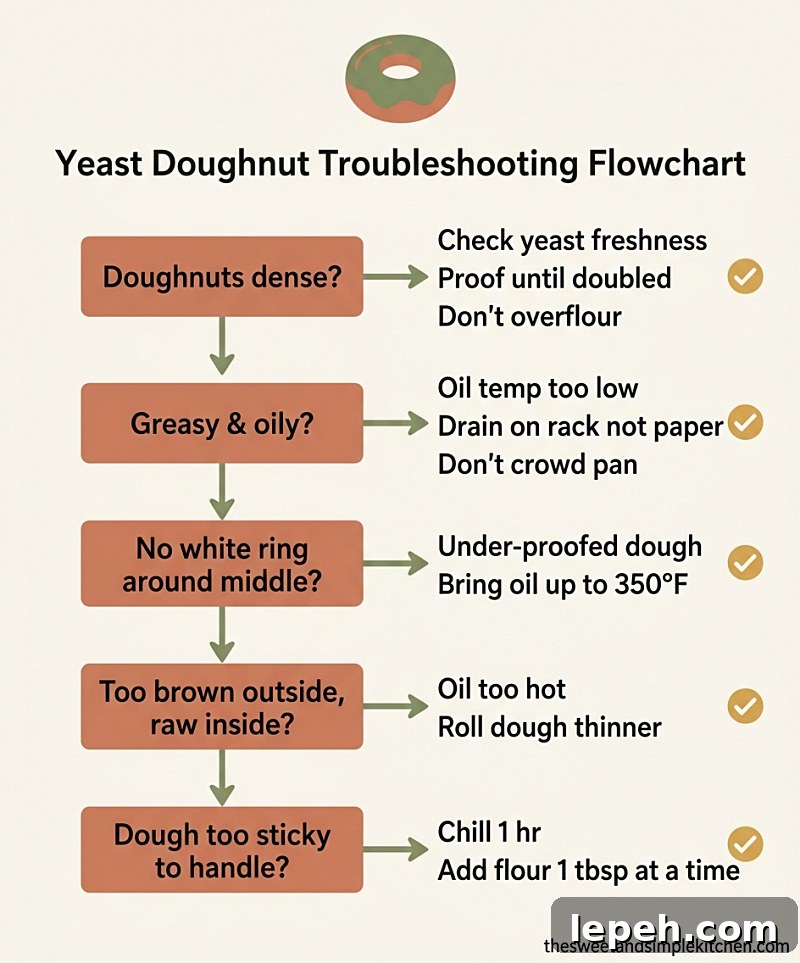
- Dense results: Often due to old yeast, over-flouring, or skipping the second rise. Test yeast ahead of time and allow the doughnuts to become puffy before frying.
- Greasy doughnuts: Oil too cool. Let the oil return to 350°F between batches.
- No white ring: Usually under-proofed or oil too cool; aim for a proper second rise and correct oil temp.
- Collapsed doughnuts: Over-proofing causes collapse; shorten the second rise slightly.
- Weepy glaze: Doughnuts were too hot; wait the recommended 10 minutes before glazing.
- Tough texture: Over-kneading can make doughnuts chewy—stop when the dough is smooth and slightly springy.
FAQ
Can I make these doughnuts without a stand mixer?
Yes. Mix until shaggy, then knead by hand for 10–12 minutes until smooth and elastic. The sponge step is unchanged.
Can I bake these instead of frying?
You can bake them, but they will have a different texture—more roll-like. Bake at 375°F for 8–10 minutes, brush with melted butter, then glaze.
Can I use instant yeast instead of active dry?
Yes—use the same amount but skip the 30-minute sponge. You’ll save time but lose a little flavor depth.
How long do homemade yeast doughnuts last?
Best within 6 hours. Acceptable for up to 24 hours at room temperature in an airtight container.
Why did my doughnuts come out dense and not fluffy?
Common causes: inactive yeast, too much flour, or under-proofing. Test your yeast, weigh flour if possible, and allow the second rise until the doughnuts appear puffy.
Can I freeze the dough instead of finished doughnuts?
Yes. After the cold rise, punch down, wrap tightly, and freeze up to one month. Thaw overnight in the fridge, bring to room temperature, then roll and fry.
What’s the ideal oil temperature for frying doughnuts?
350°F. Keeping the oil at this temperature yields a crisp exterior and tender interior. Use a clip-on thermometer to maintain it.
Can I use all-purpose flour instead of bread flour?
Yes. All-purpose yields a slightly more tender, less tall doughnut. Bread flour produces a chewier, bakery-style bite—try both to see which you prefer.
The Bottom Line
If you’ve been searching for a reliable yeast doughnut recipe, this one delivers. It’s been thoroughly tested and the double glaze and cold-rest method noticeably improve texture and flavor. Make the dough tonight, fry them tomorrow morning, and you’ll have fresh doughnuts that impress.
If you make them, leave a note about which glaze you chose—chocolate, vanilla, or both. Happy frying.
KP xoxo