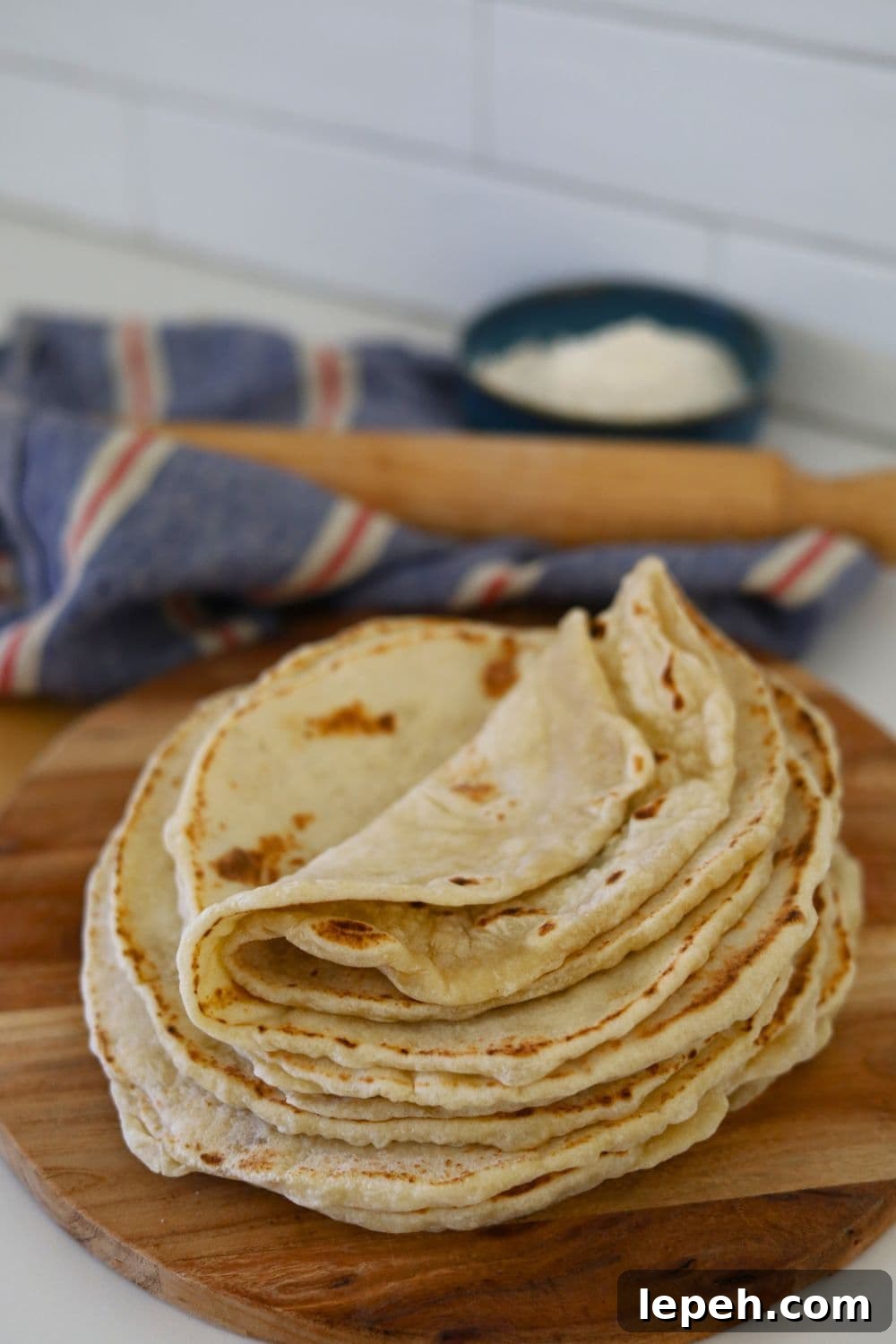
Sourdough tortillas are a delightful alternative to sourdough bread and are well worth the effort. They take a little time—mainly for rolling—but the process is straightforward and rewarding. We often save this recipe for relaxed days when we can take the time to make a batch for the family. Leftover tortillas are perfect for quesadillas at lunch the next day.
Using sourdough discard in tortillas is a smart way to reduce waste and add a pleasant tang. The result is a soft, flavorful tortilla that works in many dishes.
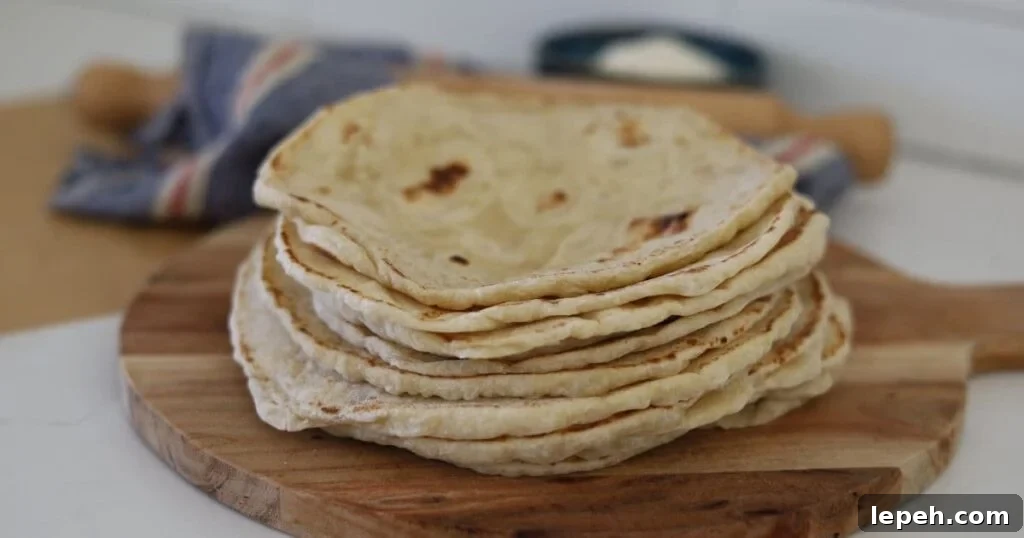
Why You’ll Love This Recipe!
Waste Reduction – Turning sourdough discard into tortillas reduces food waste and makes good use of every bit of starter you’ve maintained.
Flavorful Twist – Discard lends a subtle tang and depth of flavor that store-bought tortillas usually lack.
Versatility – These tortillas are ideal for tacos, burritos, wraps, quesadillas, breakfast sandwiches or even mini pizzas. They adapt well to both savory and simple family meals.
Sourdough Discard or Active Starter?
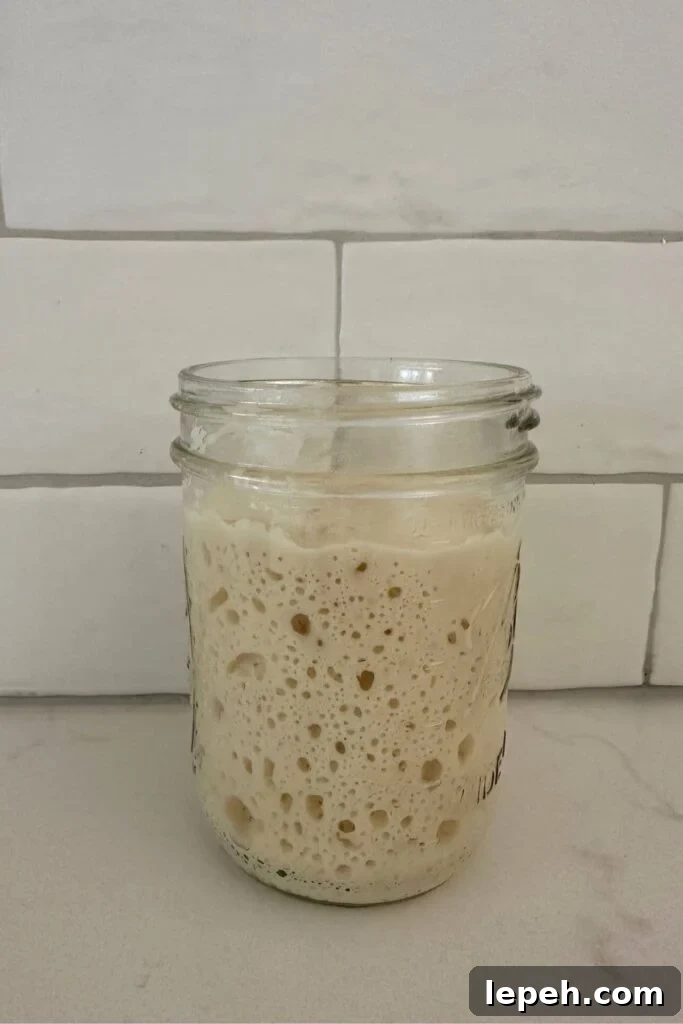
This recipe works with either active sourdough starter or sourdough discard. The dough needs some rise, but not the long, high-rise required for sourdough bread. Even if it hasn’t doubled before you portion it, the tortillas will still puff beautifully in a hot pan.
Using Discard – Discard is fine and gives stronger sourdough flavor, but fermentation can take longer. If you plan to serve the tortillas for dinner, mix the dough in the morning.
Using Active Starter – An active starter speeds up fermentation and tends to produce more bubbly, airy tortillas.
How to Make Sourdough Discard Tortillas
These tortillas are made with simple pantry ingredients, but expect hands-on time for rolling each one. A rolling pin is recommended over a tortilla press—flour tortillas spring back and shrink, so a press is better suited to corn tortillas.
Measure all ingredients into a large bowl. You can add them directly on top of each other; this dough is forgiving.
Mix gently until the dough forms a shaggy mass, then cover and rest for about 30 minutes to let the flour hydrate.
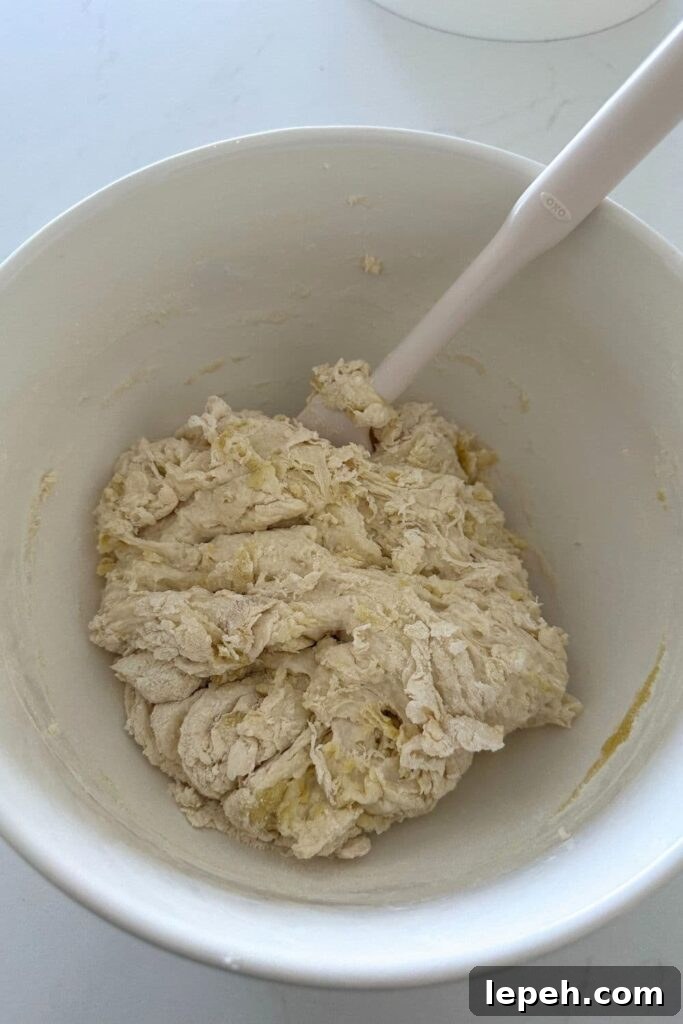
Once hydrated, knead the dough by hand or in a stand mixer until smooth and elastic. In a stand mixer this usually takes about 5 minutes; by hand expect roughly 10 minutes depending on effort. The dough should be silky and slightly springy when ready.
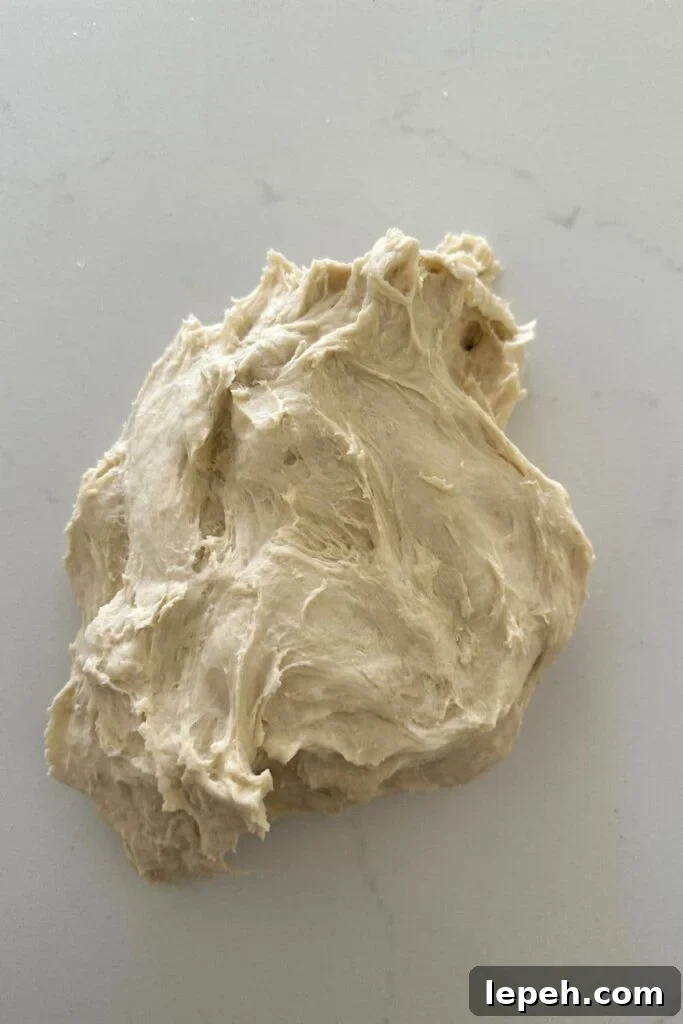
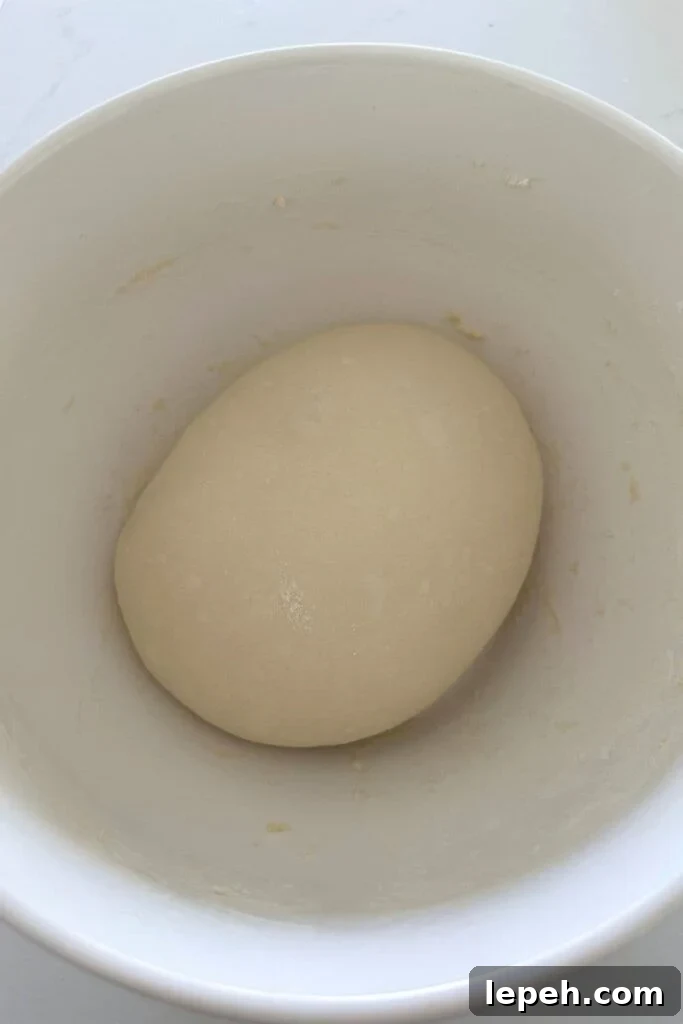
Cover the kneaded dough with plastic wrap or a damp towel and let it bulk-ferment at room temperature until it rises about 30%. This can take several hours depending on kitchen temperature and whether you used active starter or discard. Look for puffiness and surface bubbles rather than strict timing.
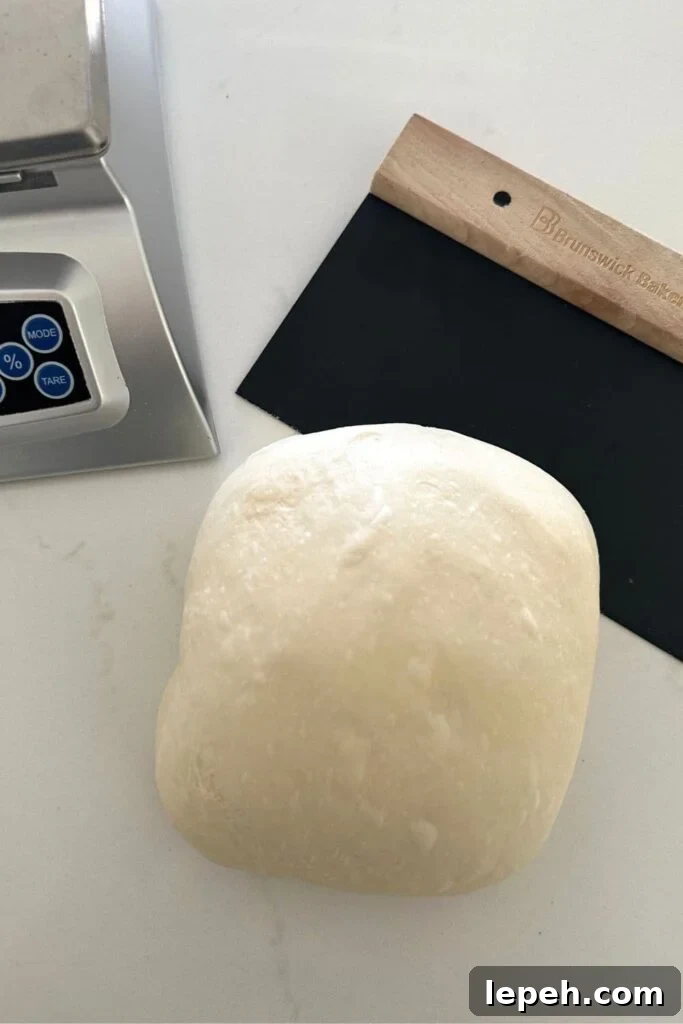
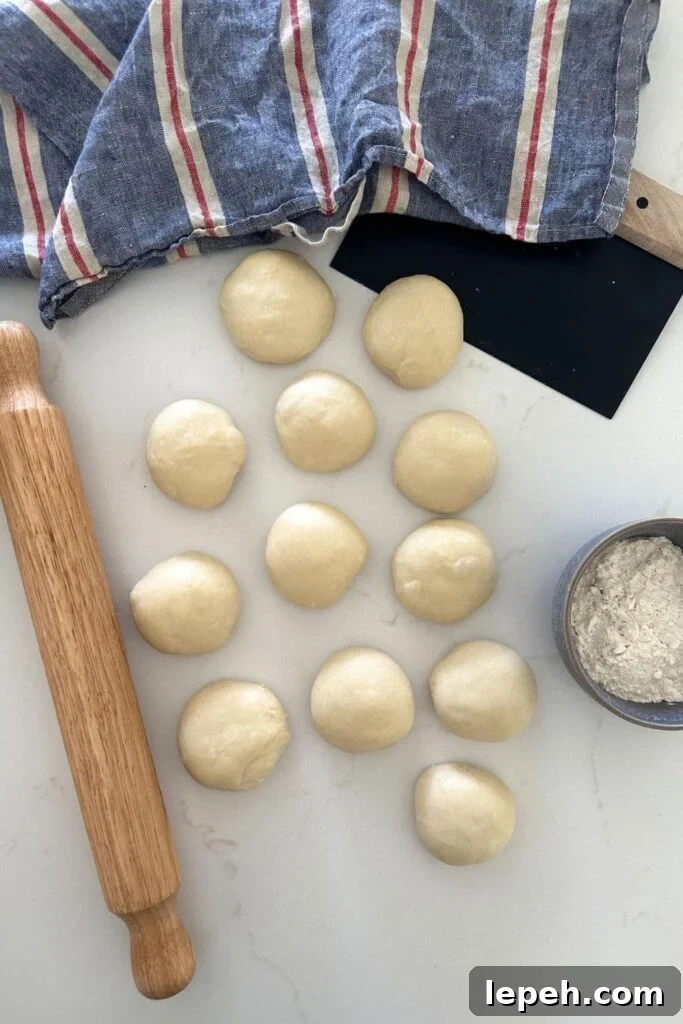
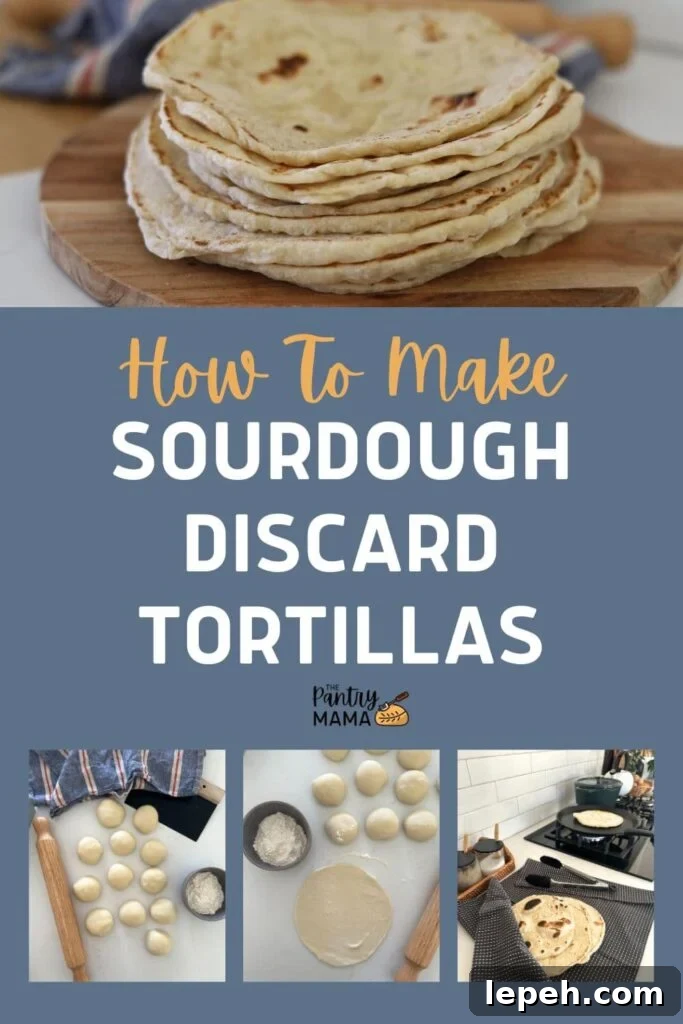
Divide the dough into small balls for rolling—about 80 g per ball is a good size. Place them on the counter, covered with a tea towel, and rest 30 minutes so the gluten relaxes; otherwise they’ll be difficult to roll.
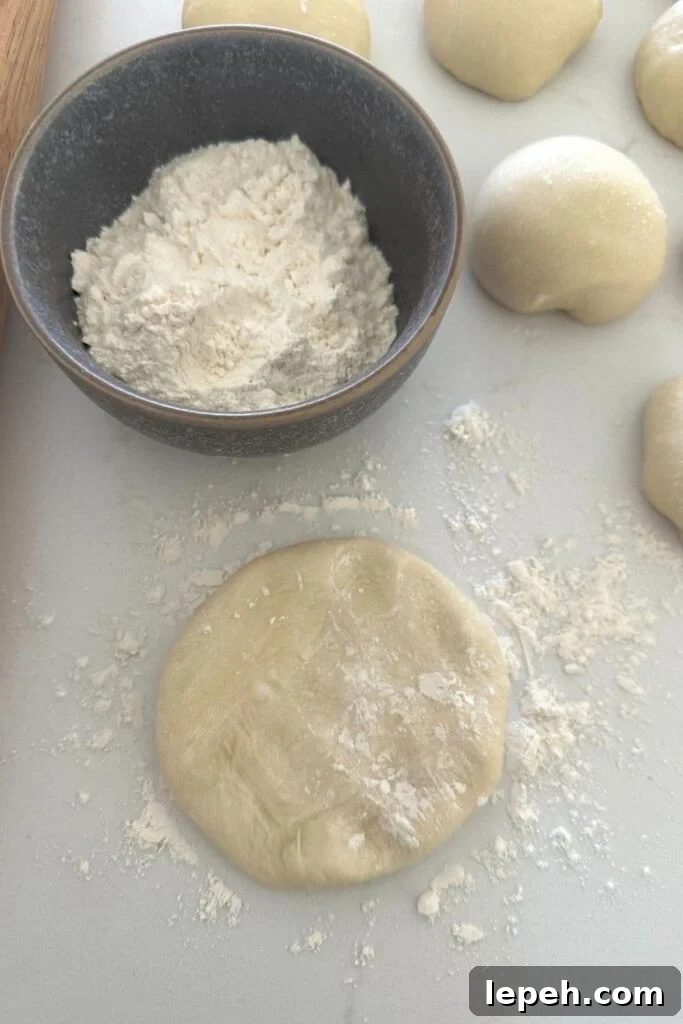
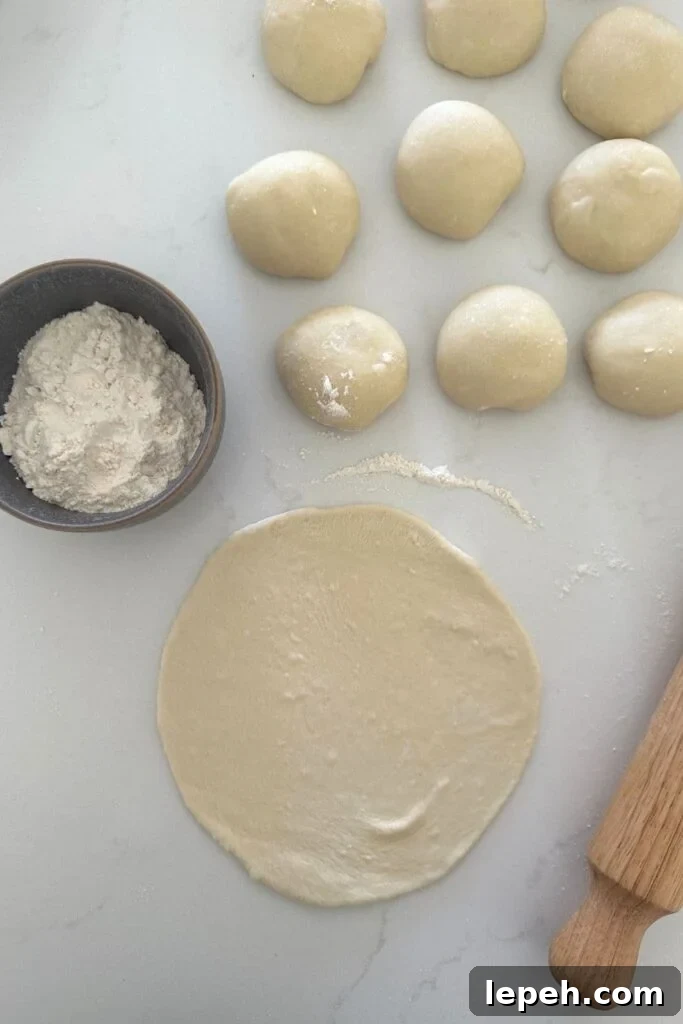
Roll each ball into a thin round with a rolling pin, keeping them thin enough to cook quickly but thick enough not to tear. If the dough becomes sticky, dust lightly with flour. The olive oil in the dough helps keep it elastic.
Heat a heavy frying pan, cast iron skillet or griddle until very hot. These tortillas need a quick, high-heat cook—no lid required. Stretch each rolled tortilla gently before placing it in the pan. Cook about 1 minute per side; they’ll bubble and brown quickly. Flip once bubbles form and brown the other side, then remove.
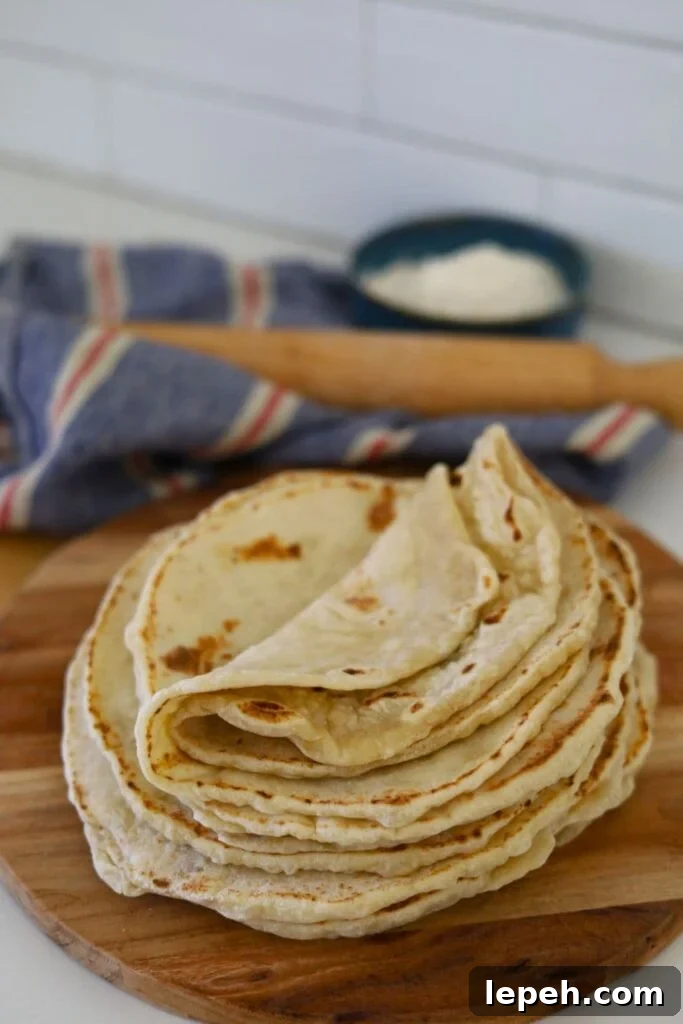
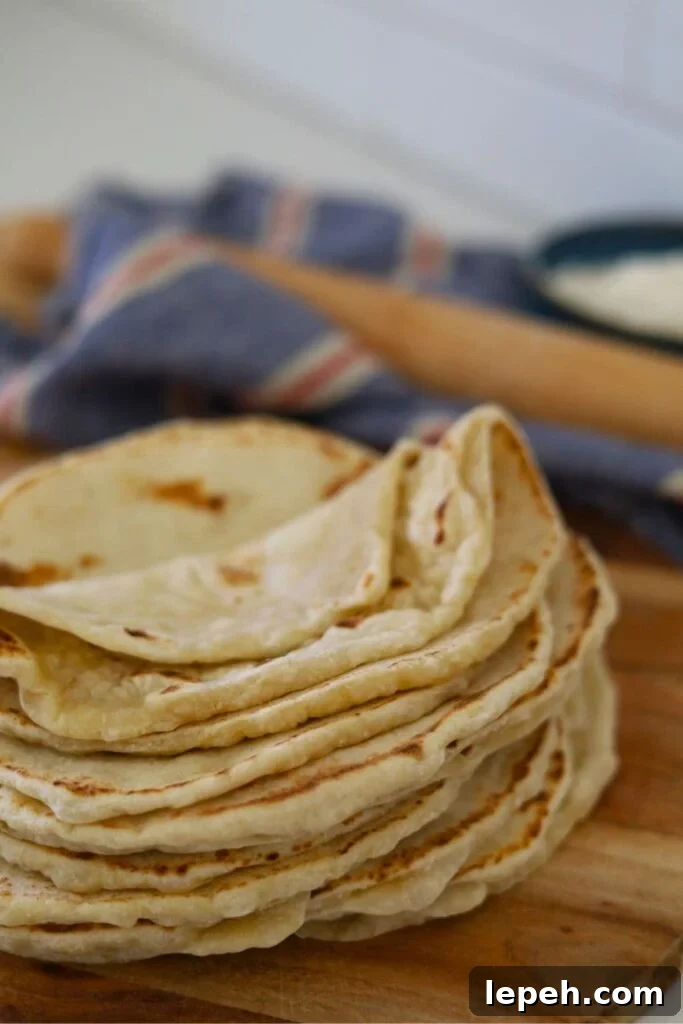
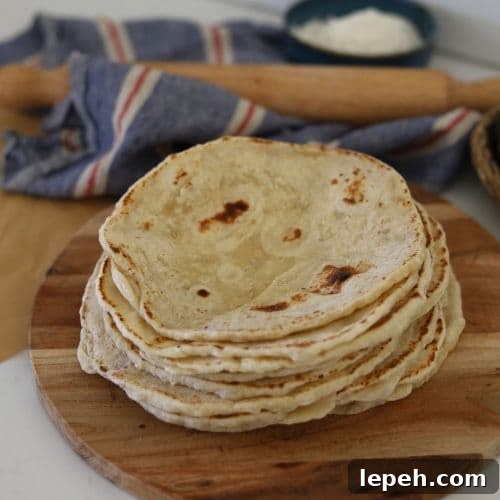
If not serving immediately, stack the cooked tortillas and wrap them in a dish towel to keep them soft and pliable. Puffed tortillas will flatten slightly when wrapped and stay tender.
Ways to Use Sourdough Tortillas
These tortillas are very versatile. Use them for tacos, burritos, soft wraps, quesadillas, bacon-and-egg rolls, or cut and crisp them as “taco chips” for nachos. Kids also enjoy using them as mini pizza bases. They’re a great staple for family meals.
Storage and Freezing
Stored properly, these tortillas remain soft for at least 48 hours. Wrap the warm tortillas in a cotton towel to keep them pliable for dinner or transport. For short-term storage, keep them wrapped on a plate under a cover for up to 24 hours. For longer storage, place them in a sealed plastic bag; keep in mind there are no preservatives, so use within about three days in the fridge to avoid mold.
To freeze, layer tortillas between sheets of parchment and store in a zip-top bag for up to three months. Thaw at room temperature and reheat briefly in a hot pan or microwave wrapped in a damp cloth.
A Brief Note on Tortilla Origins
Tortillas trace back to the Aztec and Maya civilizations, where maize was ground into flour and cooked on hot stones to make flatbreads. Today they are central to Mexican and Latin American cuisines and enjoyed worldwide in many forms. Making your own tortillas with sourdough discard is a simple, creative way to honor that tradition while adding your own flavor twist.
Sourdough Discard Tortilla Recipe
Equipment
- Stand Mixer (optional)
- Rolling Pin or Tortilla Press
- Cast Iron Skillet or frying pan
Ingredients
- 500 g Bread Flour
- 280 g Water
- 200 g Sourdough Starter (or sourdough discard)
- 15 g Olive Oil (can substitute coconut oil)
- 15 g Salt
Instructions
- Measure all ingredients into a large mixing bowl. You can add them directly on top of one another; this dough is forgiving. Gently combine until a shaggy dough forms. Cover and rest for about 30 minutes.
- Once hydrated, knead by hand or with a stand mixer until the dough is smooth and elastic. By hand this takes around 10 minutes; a mixer is usually faster.
- Cover and ferment at room temperature until the dough has increased about 30% and shows surface bubbles. Fermentation time varies by temperature and starter activity.
- Divide the dough into balls of approximately 80 g. Place on the counter, covered, and rest 30 minutes to relax the gluten.
- Roll each ball into a thin round using a rolling pin. Dust lightly with flour if the dough sticks. Stretch gently by hand before cooking.
- Heat a skillet or griddle until very hot. Cook each tortilla about 1 minute per side until puffed and browned. Stack and wrap in a towel to keep warm and pliable.
Notes
The easiest way to knead this dough is with a stand mixer, Thermomix or food processor if you have one. Combine ingredients first, then switch to the dough hook once the dough comes together. Knead until the dough slaps the sides of the bowl and feels silky—typically 4–6 minutes in a machine.
This recipe uses 200 g starter, so fermentation is reasonably quick. Using discard slows the rise but still produces great flavor.
Nutrition
Serving: 80 g — Calories: 177 kcal; Carbohydrates: 33 g; Protein: 5 g; Fat: 2 g; Sodium: 487 mg. Nutrition information is an approximation.