
Do you know the secret to great food? It starts with fresh ingredients. In the Indian hotel industry, freshness is the cornerstone of quality cooking. Compromising on freshness can damage a hotel’s reputation, so preserving ingredients and maintaining hygiene are constant challenges. Cold storage has become essential in hotels, helping preserve taste and safety while reducing waste. From keeping produce crisp to enabling efficient kitchen operations, cold storage plays a vital role in daily hotel management.
This article explains what cold storage is, how hotels use it, and why it matters for guest satisfaction and operational success across India.
What is Cold Storage?
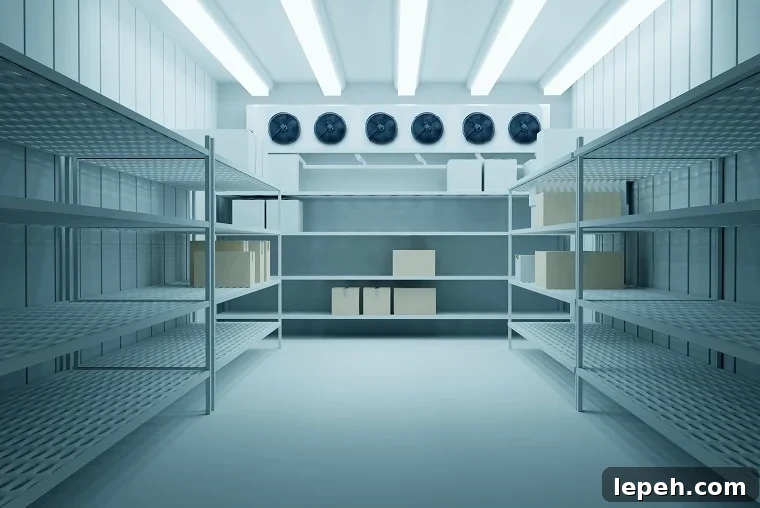
Cold storage refers to temperature-controlled spaces used to store perishable foods—fruits, vegetables, dairy, meat, seafood, and frozen items—so they remain safe and flavorful until service. Hotels typically use compact cold rooms in their kitchens for daily needs and larger cold warehouses for chain-wide inventory. Without suitable cold storage, perishable goods spoil quickly, affecting menu quality and guest experience.
Importance of Cold Storage in Hotels
Cold storage supports hotel operations in several key ways:
- Preservation of Ingredients
Maintaining the right temperature preserves freshness and hygiene for seafood, dairy, fruits, and vegetables, extending their shelf life and ensuring food safety. - Inventory Management
A reliable cold storage setup enables chefs and kitchen managers to track stock accurately, reduce waste, and avoid last-minute purchases that can disrupt service and budgets. - Cost Efficiency
By reducing spoilage, cold storage lowers procurement costs and minimizes losses. Consistent inventory levels also help hotels avoid expensive emergency buys. - Menu Consistency
Cold storage lets hotels keep perishable ingredients on hand even when items are out of season, allowing kitchens to maintain menu standards and dish quality year-round.
Types of Cold Storage
- Walk-in Cold Rooms
Large enclosed rooms for storing bulk quantities of perishables. Staff can enter to access items easily, making these suitable for busy hotel kitchens. - Refrigerated Cabinets
Compact units positioned in specific kitchen areas for quick access to frequently used items like sauces, dairy, and desserts. - Cold Storage Warehouses
Large facilities used by hotel chains for long-term, bulk storage. These warehouses help centralize inventory, reduce costs, and serve multiple properties. - Portable Cold Storage
Mobile refrigeration units for outdoor catering and events, ensuring food safety and freshness away from the main kitchen.
Benefits of Cold Storage in the Indian Hotel Industry
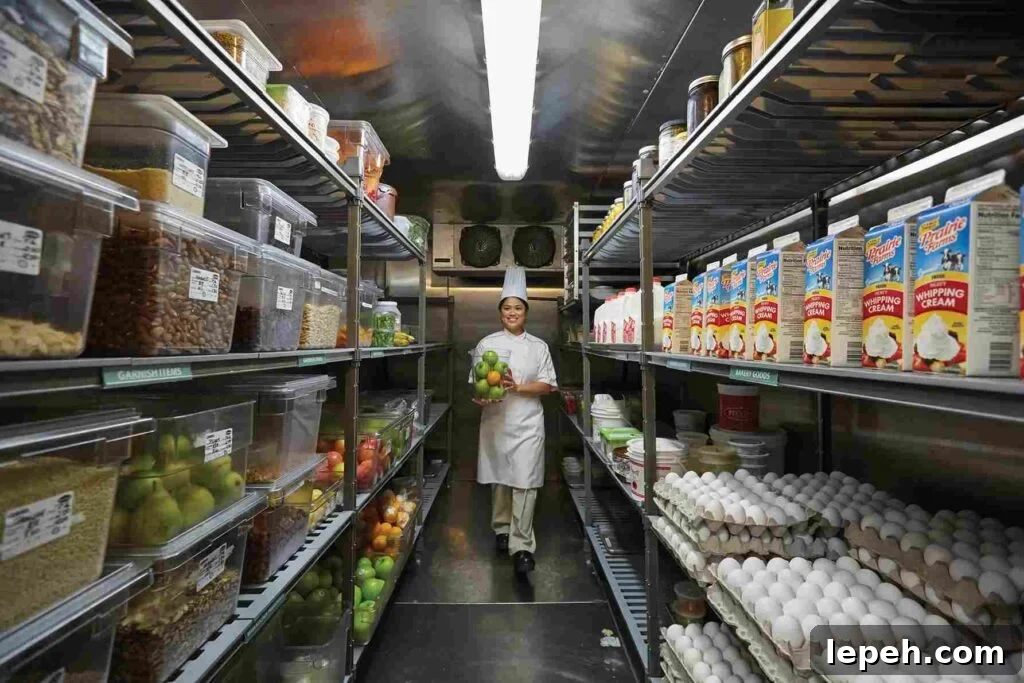
- Supports 24/7 Operations
Cold storage keeps essential items like dairy, meat, and vegetables available and usable at any hour, supporting round-the-clock food service. - Boosts Hygiene & Food Safety
Proper refrigeration slows bacterial growth and helps hotels meet food safety standards, reducing the risk of foodborne illness and building guest trust. - Improves Guest Satisfaction
Fresh, well-stored ingredients translate to better taste and texture in dishes, which enhances guest satisfaction, positive reviews, and repeat visits. - Cost Effectiveness
Though initial investment can be significant, cold storage reduces waste and emergency purchases, delivering long-term savings and better budget control. - Enables Bulk Purchasing
Storing bulk orders reduces per-unit costs and delivery frequency. Cold storage makes bulk procurement practical without risking spoilage. - Supports Events
Hotels can manage large-scale catering for weddings, banquets, and corporate functions without compromising food quality thanks to adequate cold storage capacity. - Precise Temperature Control
Modern systems offer exact temperature settings to suit various items—deep freezing for seafood, gentle cooling for herbs—reducing waste and preserving quality better than traditional methods.
Cold Storage Business & Hotels: A Growing Connection
As hotels expand across India, many partner with third-party cold storage providers. Cold store services help manage seasonal demand, ensure consistent food quality, and strengthen supply chains, especially in metro and tier-II markets. This collaboration makes cold storage a strategic component of both kitchen operations and the overall guest experience.
Future Trends: Smart Cold Storage in Hotels

Technology is transforming cold storage. Smart cold rooms equipped with temperature sensors, automated inventory alerts, and real-time remote monitoring are becoming common. These systems improve reliability, reduce energy consumption, and give chefs and managers better control over food quality and stock levels.
Learn Hospitality Operations at NFCI
At NFCI (National Finishing and Cookery Institute), training goes beyond recipes to include practical hotel operations and the crucial role of cold storage in professional kitchens.
Why Choose NFCI?
- Industry-recognized hospitality and culinary courses.
- Hands-on training in inventory, cold storage, and kitchen management.
- Realistic simulations of hotel operations.
- Placement support across India.
- Practical learning with experienced chefs.
Join Today and turn your passion into a rewarding profession!