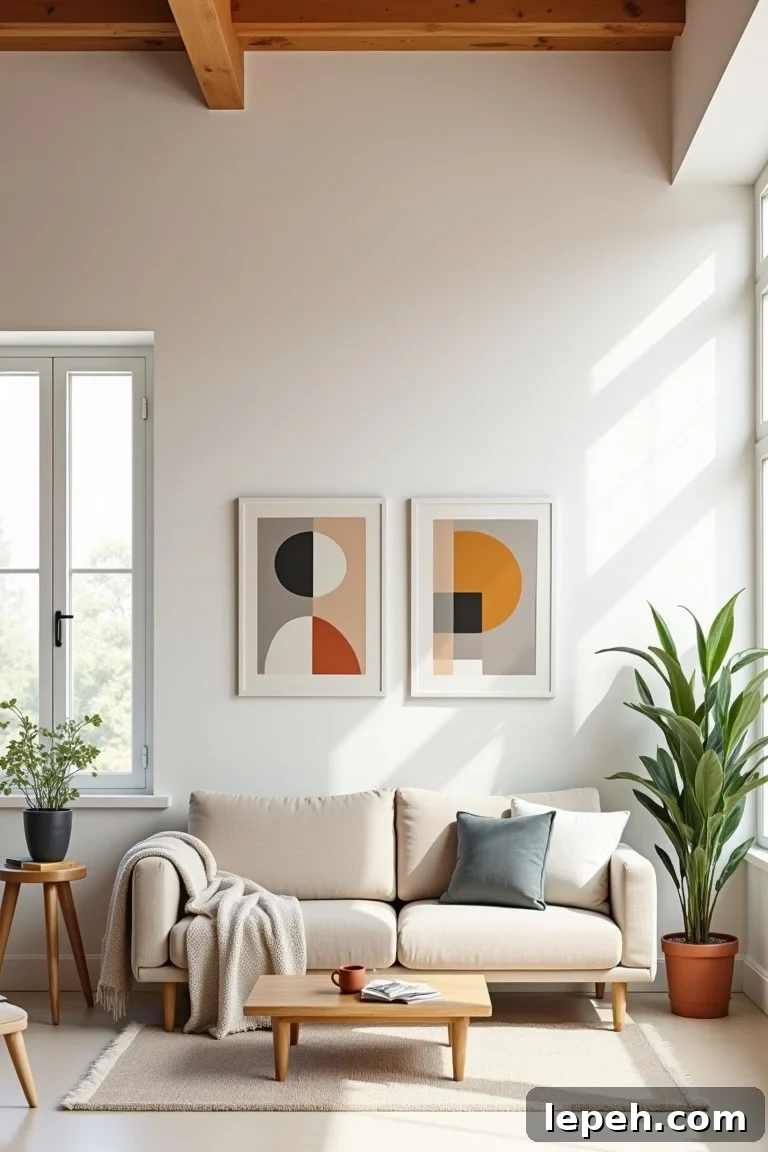
Curious why minimalism has become so popular? I asked readers and compiled their responses. From improved mental health and environmental awareness to reduced stress, here are the top 10 reasons people choose a minimalist life—some answers may surprise you.
Table of Contents
Here are the 10 most common reasons people are drawn to minimalism:
1. Stress relief
Busy schedules, demanding jobs, family responsibilities and the noise of clutter all add up. Many people turn to minimalism to reduce that pressure. Simplifying your surroundings and obligations creates breathing room and a calmer atmosphere. Decluttering can help restore mental clarity and a feeling of control when life feels overwhelming.
“When I was single, I was minimalist without realizing it. A marriage and three kids later, my life became chaotic. Returning to minimalism was a healing step that eased stress and gave time and space for what really matters.”
“A cluttered home added to my anxiety. Letting go of things helped me reclaim peace.”
2. More intentionality and time for what matters
Minimalism helps people focus on priorities. By cutting down on physical and mental clutter, distractions fade and there’s more room for meaningful activities—time with family, hobbies, or simply slowing down to enjoy daily life.
“I need time for my elderly mother who lives with me and for my grandchildren’s events. Stuff often gets in the way of those moments.”
“My goal was to remove unimportant hassles and make more time for people and the things I enjoy. It’s an ongoing effort but worth it.”
3. Creating a lighter legacy
Sorting a loved one’s belongings after they pass inspired many readers to simplify. They don’t want to leave relatives with the burden of excess possessions. Minimalism lets you leave behind memories and relationships rather than boxes of unused items.
“After clearing out my parents’ home, I knew I didn’t want my children to face that same burden.”
“Working as a house cleaner showed me how stressful possessions can be for families when someone becomes ill or dies. I don’t want to put that on my loved ones.”
4. Managing health conditions
For some, minimalism is a practical way to improve health. Simplifying the environment can ease symptoms of anxiety, depression, ADHD and migraine triggers. A calmer, more organized space often translates directly into better mental and physical well-being.
“Chronic migraines worsened by overstimulation improved when I reduced the number of things around me. My brain functions better and I enjoy time with loved ones more.”
“Postnatal depression felt overwhelming until I spent a year simplifying our home. Once things were under control, I regained confidence in daily routines.”
5. Less cleaning and maintenance
Owning fewer items reduces the time spent cleaning, repairing and organizing. That frees up time to live in and enjoy your home instead of constantly managing it—an everyday benefit that matters to many people.
“Less time cleaning means more time with family and actually enjoying our home.”
“I used to let cleaning and fixing become an excuse not to live. Minimalism changed that.”
6. Prioritizing experiences
Many people shift from accumulating things to investing in experiences—trips, creative pursuits, and shared moments. Experiences tend to create lasting memories and greater satisfaction than purchasing more possessions.
“Less stress, less cleaning, more memories.”
“We spent spring break on the Gulf Coast and focused on experiences—seeing wildlife, beaches and local culture. That felt like the best use of our money.”
7. A dislike for clutter
Some people are simply bothered by visual clutter. Whether due to childhood experiences or personal preference, tidy, open spaces feel calmer and more welcoming. Reducing clutter makes homes easier to maintain and more pleasant to live in.
“I grew up in a cluttered farmhouse and was always embarrassed when guests came over.”
“Stuff gives me anxiety. When there’s nowhere for things to go, the problem worsens. Having less keeps my home in order.”
8. Environmental concerns
Minimalism often goes hand in hand with sustainability. Buying less, choosing durable items, and resisting impulse purchases reduces waste and environmental impact. For many, living with less is a conscious way to protect the planet for future generations.
“I worry about my grandchildren’s future and the environment. I want to buy more intentionally and leave a lighter legacy.”
9. Financial freedom
Spending less on unnecessary items helps people reduce debt, save more and invest in higher-quality essentials. Minimalism is not deprivation but a purposeful approach to money that can lower financial stress and improve long-term stability.
“Financial constraints forced us to cut back on purchases. It turned out to be a blessing and taught us to prioritize what really matters.”
10. Parenthood
Raising children leads many families to simplify. Less stuff makes daily routines easier, leaves more time for play and connection, and reduces the constant upkeep that competes with parenting.
“I struggle between motherhood and managing a home—there’s so much to clean and cook, but my children want me to play.”
“Being a single mom of three was overwhelming until I simplified.”
“As a working mom, I wanted to reduce daily decisions and simplify life.”
Other minimalism articles you might enjoy:
- 15 science-backed benefits of minimalism
- How to be minimalist when the people you live with aren’t
- 10 reasons your clutter keeps coming back
What’s your minimalism why?
These ten reasons show how varied and personal the path to minimalism can be. What prompted your shift toward a simpler life—stress relief, more time with loved ones, environmental concerns, or something else?
Share your story in a comment below—I’d love to hear what inspires your minimalism journey.