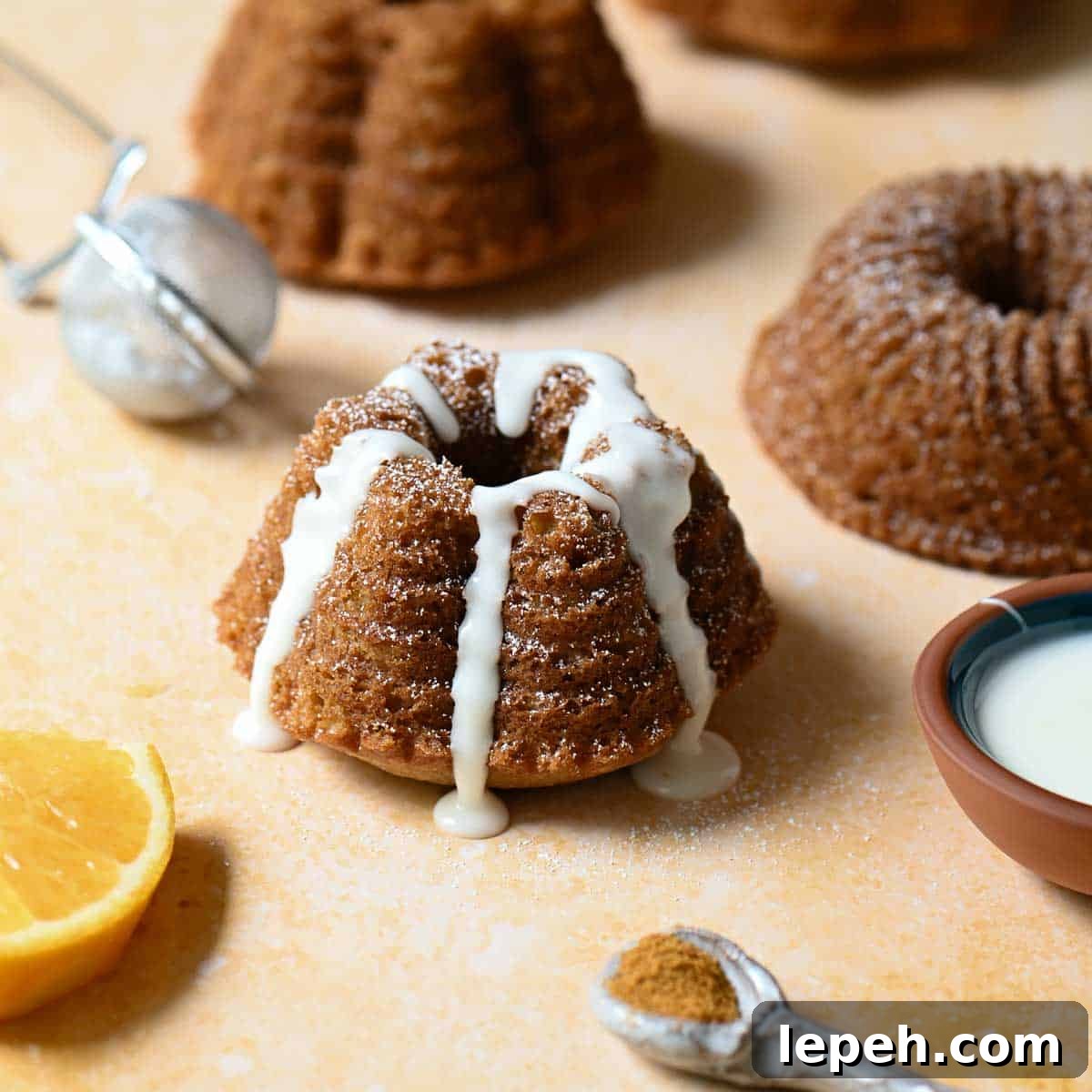
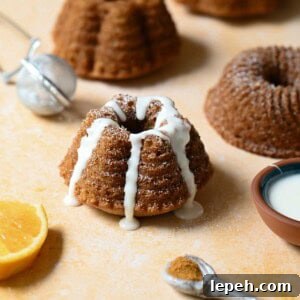
These Mace Spiced Mini Bundt Cakes are gently spiced with orange and mace — the floral, delicate cousin of nutmeg — for a subtle, intriguing fall flavor. They’re perfect with afternoon tea, as thoughtful holiday gifts, or as a pretty addition to any dessert table.
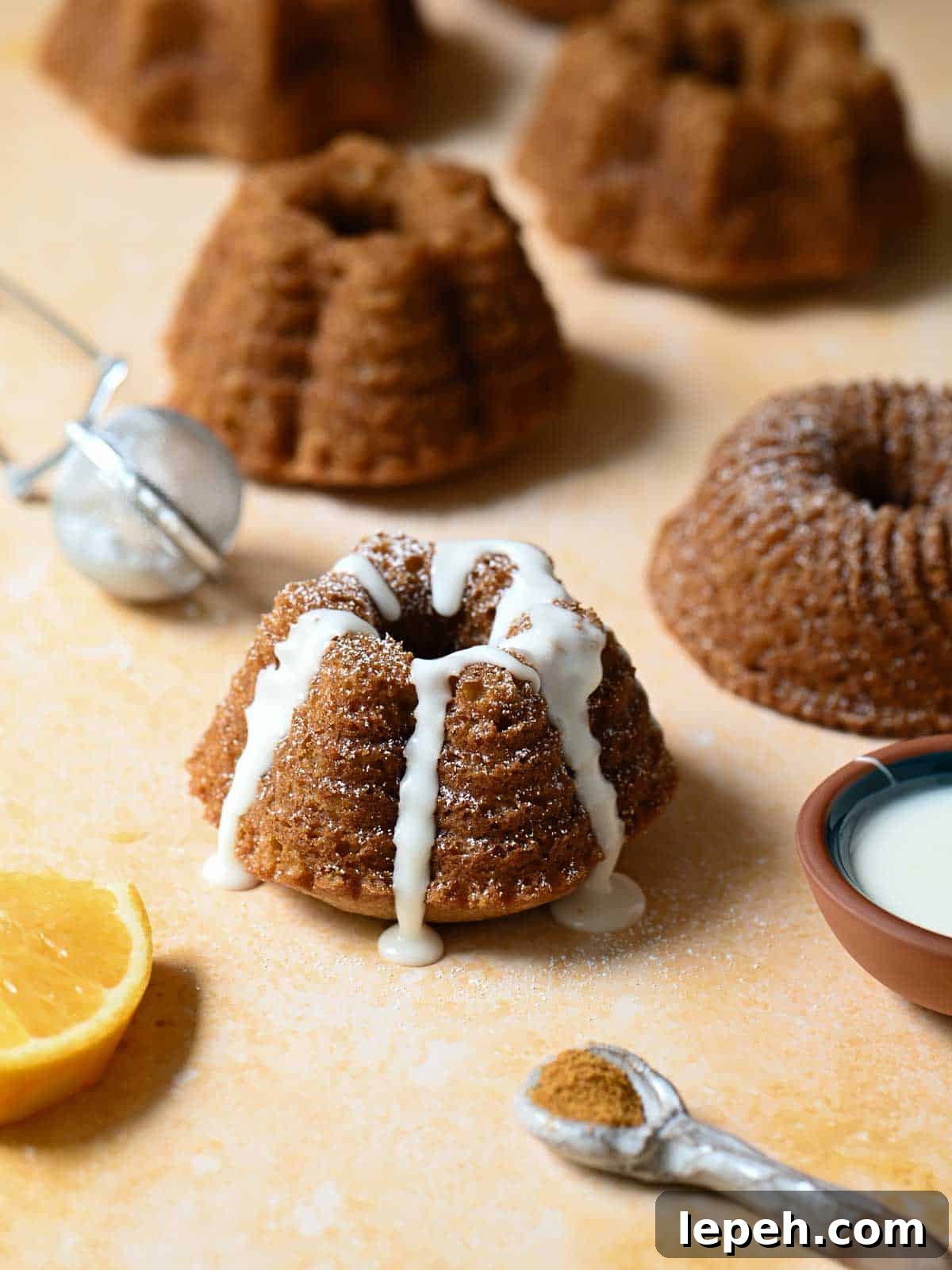
Ever buy mace for a single recipe and then let the jar sit in your spice cabinet? You’re not alone. Mace is underrated, and these mini Bundt cakes are a delicious reason to give it some attention.
In these small cakes, mace contributes a warm, floral note that harmonizes with the bright citrus of fresh orange. A simple orange glaze brings everything together, though the cakes are delightful even without it.
Key ingredients
The recipe uses common baking staples—flour, leaveners, sugar, butter, and eggs—but a few ingredients make these mini Bundts stand out.
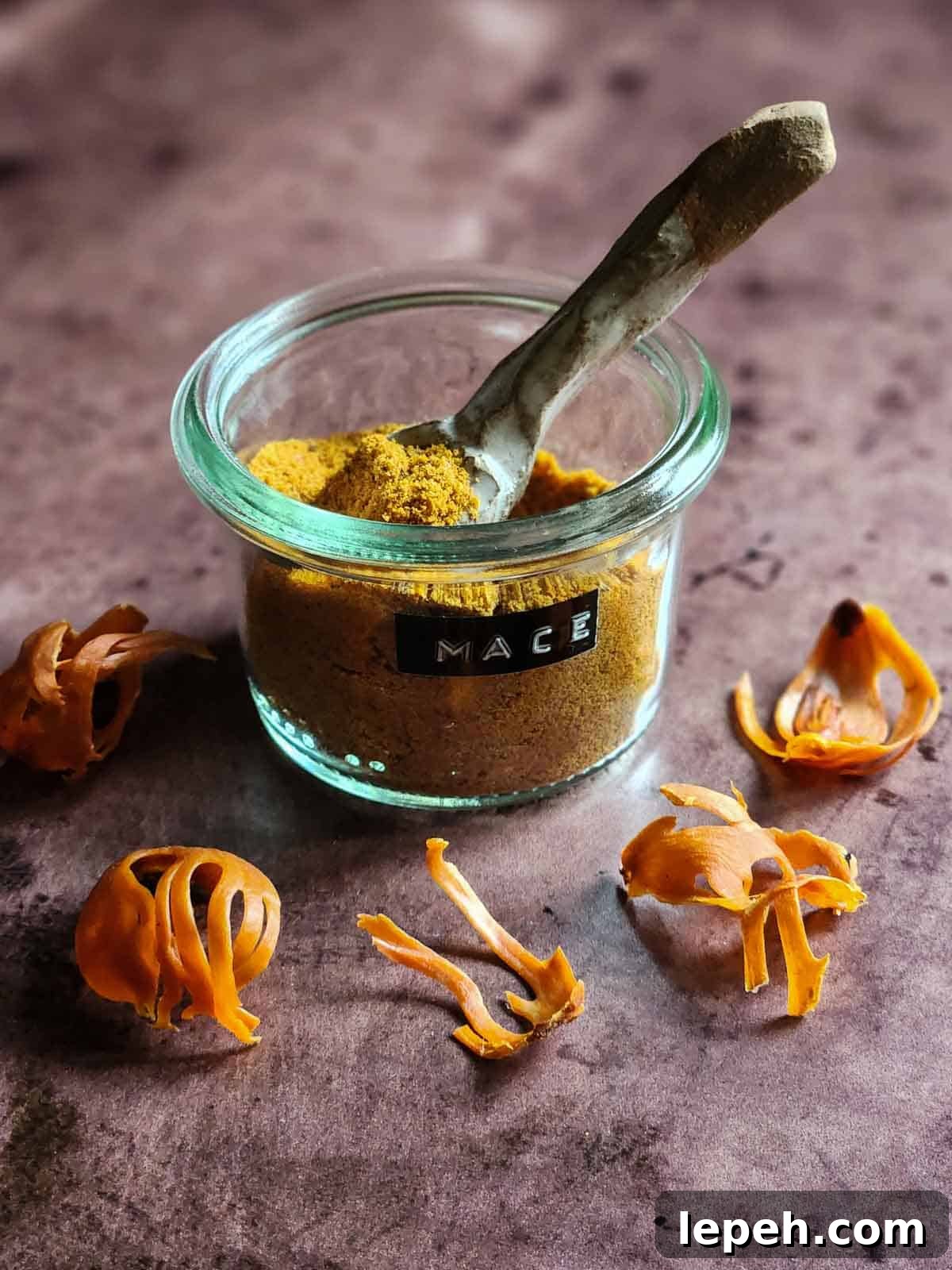
- Mace – The aromatic outer covering of the nutmeg seed; more delicate and slightly sweeter than nutmeg. Use ground mace for the batter (blade mace can be ground fresh if you prefer).
- Cinnamon and clove – A small amount of cinnamon and just a pinch of cloves balance mace’s sometimes-bitter edge and round out the warm spice profile.
- Buttermilk – Its slight acidity and richness add tender moisture to the cakes that plain milk doesn’t provide.
- Orange – Bright orange zest and optional orange glaze lift the floral notes of mace and add fresh citrus brightness.
The complete ingredient list is available in the recipe card below.
Step-by-step instructions
These mini Bundt cakes are straightforward to make. Be sure to thoroughly grease your mini Bundt pan so the cakes release cleanly and the details of the molds remain crisp.
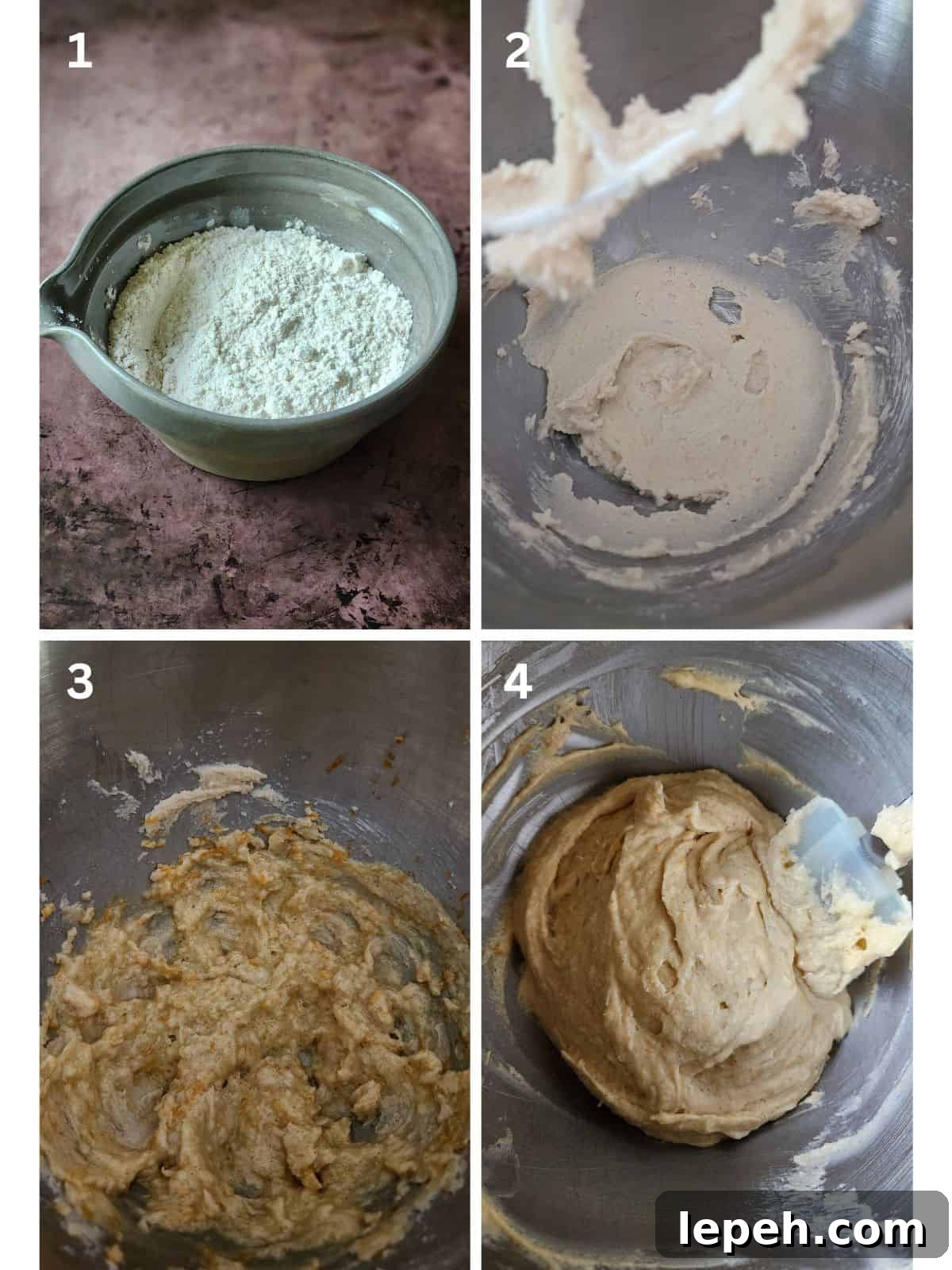
Step 1. Preheat the oven to 350°F (175°C). In a medium bowl, whisk together the dry ingredients. Step 2. Cream the butter and sugars until light and fluffy. Step 3. Add the egg, vanilla, and orange zest and beat until combined. Step 4. Add the dry ingredients to the wet mixture in three additions, alternating with the buttermilk, ending with the dry ingredients. Mix until just combined — do not overmix.
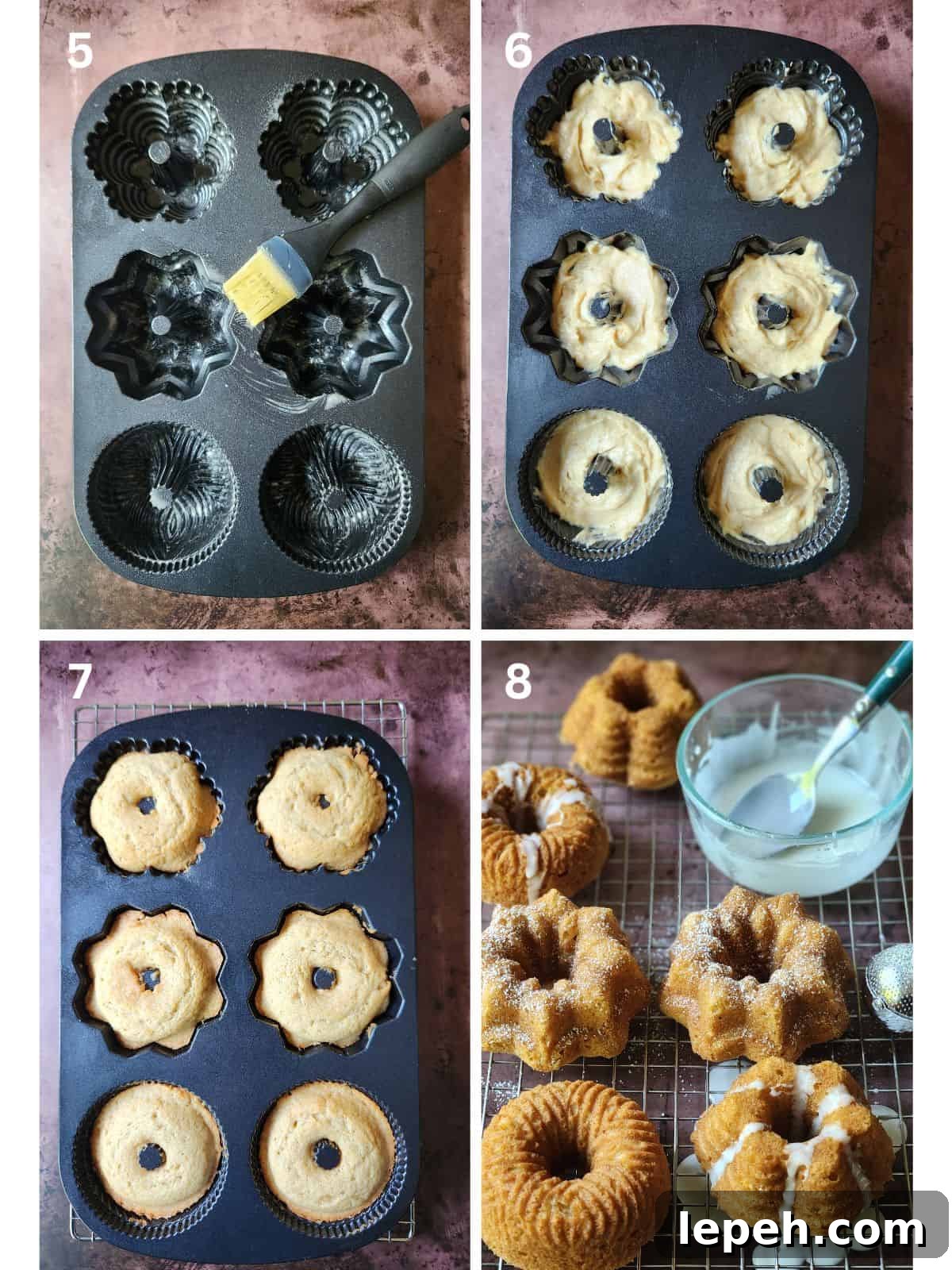
Step 5. Grease and flour your mini Bundt pan thoroughly, brushing into all the ridges. Step 6. Fill each cavity about ½–⅔ full. Step 7. Bake 18–22 minutes, or until a tester comes out clean. Step 8. Cool the cakes in the pan for 10 minutes, then invert onto a wire rack to cool completely. When cool, dust with powdered sugar or drizzle with orange glaze if desired.
*These are abbreviated directions. See the recipe card below for exact measurements and full instructions.
👩🍳Expert tips
- Use a kitchen scale for the most consistent results when measuring dry ingredients.
- Cream the butter and sugar properly — this creates a lighter, airier crumb.
- Don’t overfill the molds — fill cavities about ½–⅔ full; the batter rises in the oven.
- Check pan capacity — mini Bundt pans vary. To verify volume, fill a cavity with water and pour it into a measuring cup.
Variations
These cakes are delightful as written, but you can customize them:
- Poppy seeds — add a tablespoon to the batter for texture and a classic pairing.
- Lemon — swap lemon zest and juice for orange for a bright citrus alternative.
- Chocolate chips — fold in chips for a little indulgence.
- Ginger — grate fresh ginger or add ground ginger for extra warmth.
Storage and prep
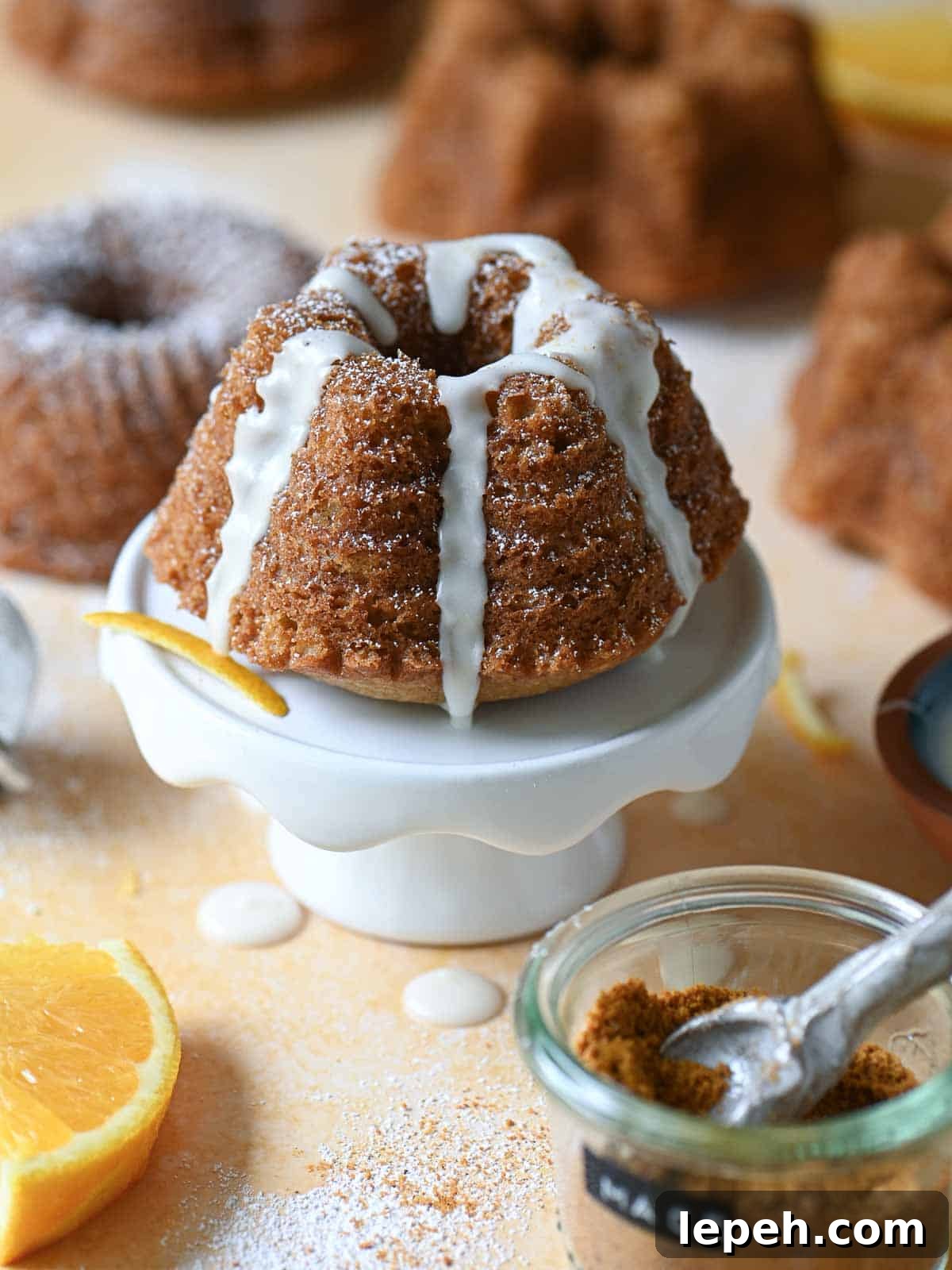
You can bake the mini Bundts up to 24 hours in advance and glaze them the next day if desired.
Store cooled cakes in an airtight container at room temperature for up to three days. For longer storage, refrigerate for up to five days; bring to room temperature before serving.
Serving suggestions
To make these mini Bundts a highlight:
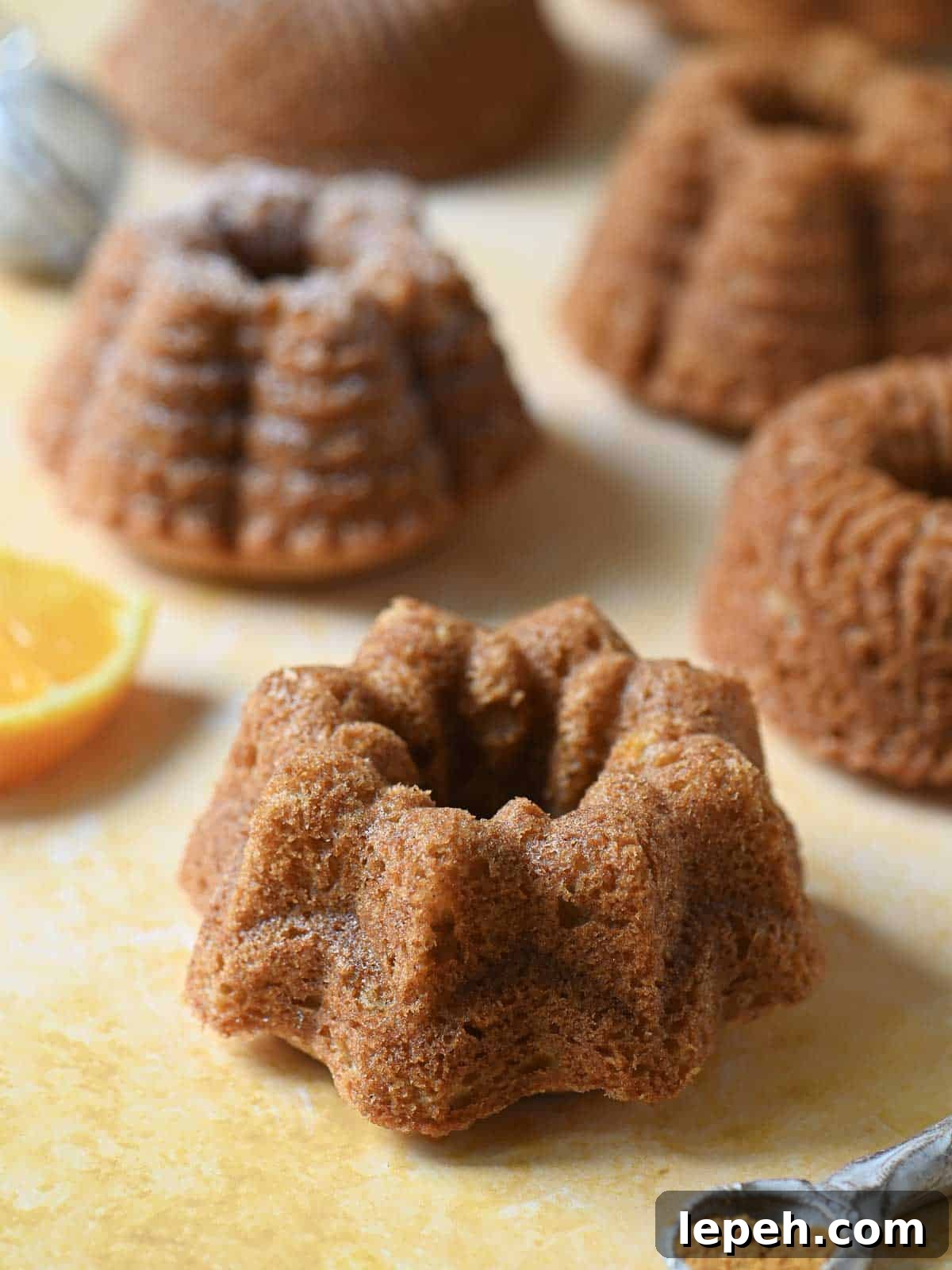
- Include them on a dessert board with other single-serve sweets for Thanksgiving, Friendsgiving, or holiday brunch.
- Garnish with powdered sugar and extra orange zest or thin orange peel strips.
- Serve at an afternoon tea with floral or spiced teas.
- Pair with a light brunch cocktail, fresh lemonade, or sparkling nonalcoholic beverages for a festive touch.
Frequently asked questions
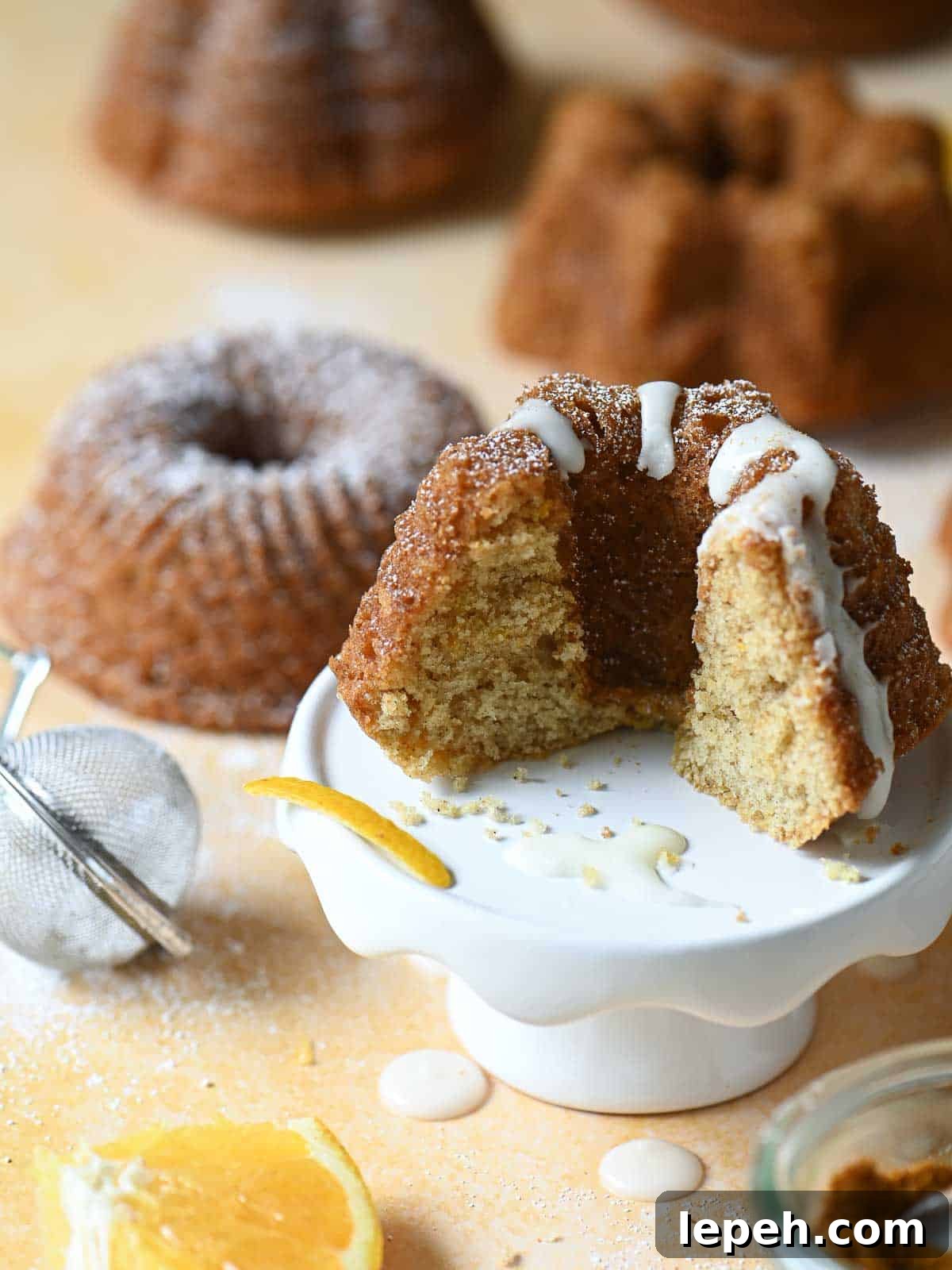
Mace is warm and aromatic like nutmeg but tends to be a touch sweeter and more floral. It blends well with cinnamon, cloves, ginger, and allspice.
Mace is the defining flavor here, so try the recipe as written if you can. If needed, nutmeg or a blend of warm spices (cinnamon, ginger, and cloves) can substitute.
No problem: use a small 8×4-inch loaf pan (increase bake time to about 40–45 minutes) or an 8-inch round/square (bake 25–30 minutes), or double the recipe for a standard 10–12 cup Bundt pan for a full-size cake.
More fall recipes
Warm and cozy ideas to enjoy this season.
-
Roasted Balsamic Fig Toast
-
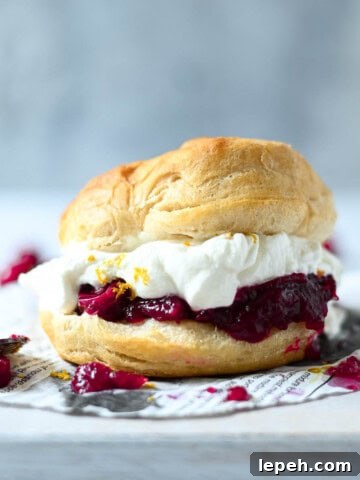
Cranberry Shortcake
-
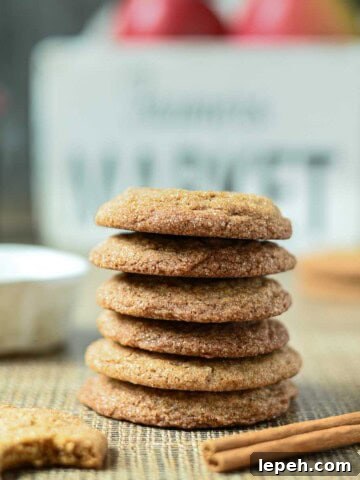
Apple Cider Cookies
-
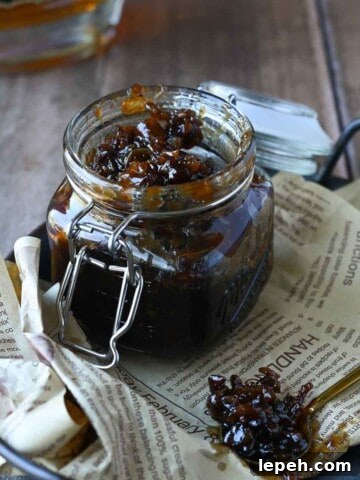
Bourbon Bacon Chutney

Made this recipe? Please leave a rating and a comment below the recipe. If you took a photo, tag @brunchandbatter on Instagram — I’d love to see your creation!
📖Recipe
Mace Spiced Mini Bundt Cakes
Pin Recipe
Equipment
- Stand mixer with paddle attachment or a hand mixer
- 6-cavity mini Bundt pan or six individual mini Bundt molds (sometimes called Bundtlette pans)
Ingredients
- 1¼ cups all-purpose flour
- 1 teaspoon baking powder
- ½ teaspoon baking soda
- ¾ teaspoon ground mace
- ¼ teaspoon ground cinnamon
- Pinch ground cloves (less than ⅛ teaspoon)
- ¼ teaspoon Kosher or fine sea salt
- ½ cup (1 stick) unsalted butter, room temperature
- ½ cup granulated sugar
- ¼ cup dark brown sugar, loosely packed
- 1 large egg, room temperature
- 1 teaspoon vanilla bean paste or extract
- 1 tablespoon orange zest
- ⅔ cup buttermilk, room temperature
- Powdered sugar for dusting, optional
For the Orange Glaze (optional)
- ½ cup powdered sugar, sifted
- 1–2 tablespoons fresh-squeezed orange juice
- Pinch ground mace (optional)
Instructions
- Preheat the oven to 350°F (175°C). Grease and flour a 6-cavity mini Bundt pan, coating all ridges thoroughly so cakes release cleanly.
- Whisk together the flour, baking powder, baking soda, mace, cinnamon, cloves, and salt. Set aside.
- In a large bowl, beat the butter, granulated sugar, and brown sugar on medium speed until light and fluffy, about 3–4 minutes. Scrape the bowl as needed.
- Beat in the egg, vanilla, and orange zest until combined. If the mixture looks curdled at first, continue mixing — it will come together.
- Add the dry ingredients in three additions, alternating with the buttermilk, beginning and ending with the dry ingredients. Mix until just combined.
- Divide the batter into the prepared molds, filling each about ½–⅔ full. Bake 18–22 minutes or until a toothpick inserted in the center comes out clean. Cool in the pan for 10 minutes, then invert onto a wire rack to cool completely. Dust with powdered sugar or drizzle with glaze when cool.
For the Orange Glaze (optional)
- Whisk the sifted powdered sugar with orange juice and a pinch of mace until smooth. Adjust consistency with more juice if needed, then drizzle over cooled cakes.
Notes
- Pan size matters: The recipe is scaled for mini Bundt cavities around ¾ cup (180 ml). Mini pans vary, so test your pan’s cavity volume by filling with water and measuring. Adjust bake time if cavities are significantly larger or smaller.
- No Bundt? Use an 8×4-inch loaf pan (bake 40–45 minutes) or an 8-inch round (bake 25–30 minutes). To make a full-size Bundt, double the recipe for a 10–12 cup Bundt pan.
Nutrition*
*Nutrition information is an estimate and provided as a courtesy. Actual values may vary based on ingredients, measurements, and substitutions.