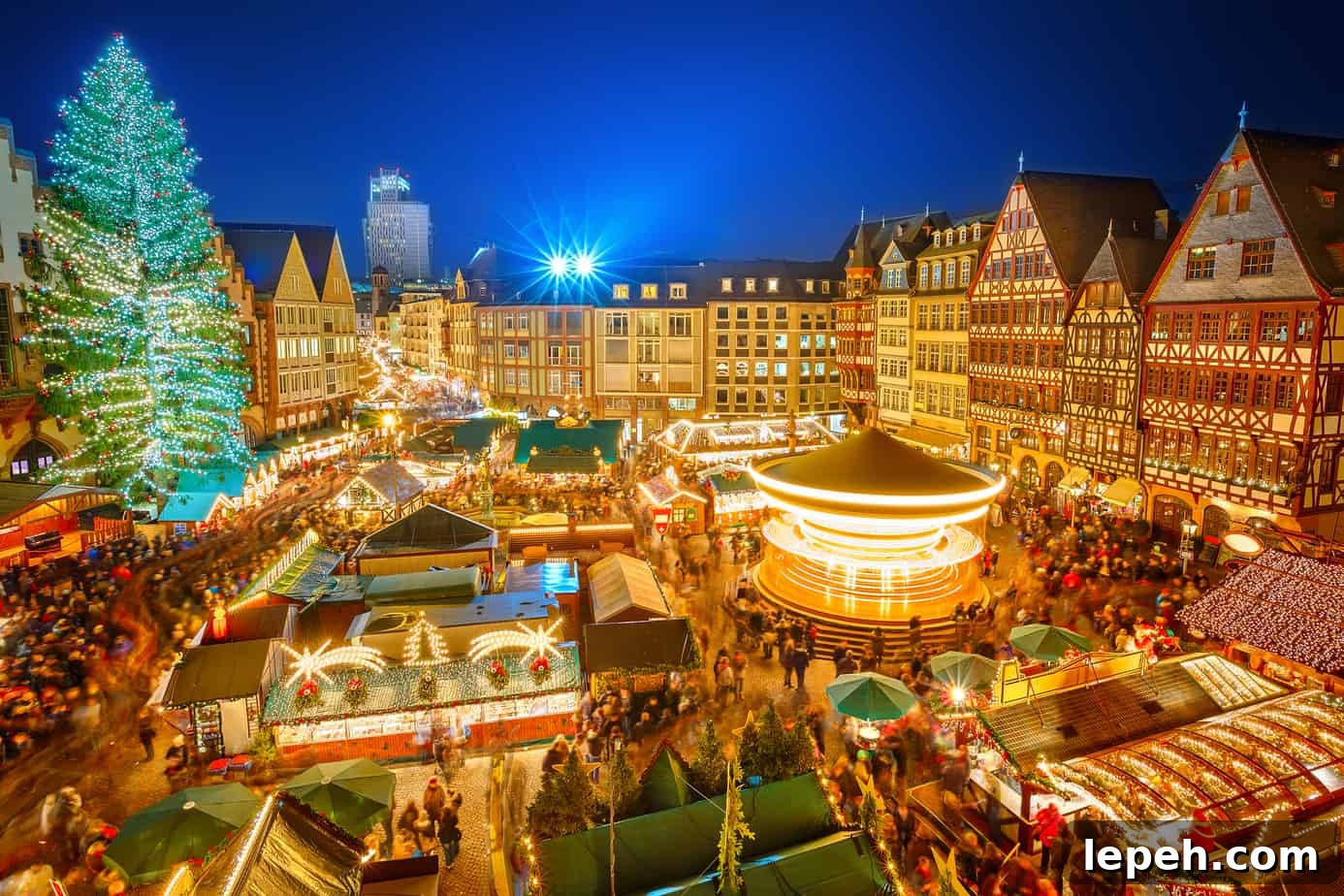
Christmas markets are a beloved holiday tradition in Germany and neighboring countries, and they’re one of the best reasons to visit in December. Weihnachten (Christmas in German) is one of my favorite times to be in Germany: the streets glow with lights, stalls brim with handcrafted goods, and the air smells of roasted nuts and mulled wine.
I’ve celebrated Christmas in both Germany and Switzerland several times. Visiting local Christmas markets is my go-to way to get in the festive mood. Most markets are free to enter, so you can pop in and out as you like. They’re perfect for sampling traditional German holiday food and experiencing long-standing seasonal customs.
Christmas markets are everywhere in Germany. Nearly every town hosts one, and larger cities often have a central market plus smaller neighborhood markets. If you travel to Germany during Advent—typically late November through December—you won’t have trouble finding a market to visit.
When Do German Christmas Markets Start and End?
Dates vary because markets follow the Advent season. Most open on the first weekend of Advent—around four weeks before Christmas—so they typically begin in late November or early December. Smaller village markets may open only on weekends or have slightly different schedules.
Many markets close by December 23 and do not operate on Christmas Eve. In larger cities or highly touristic areas some markets stay open through New Year’s or into January, though they usually close around the core Christmas days.
Are Christmas Markets Held Outdoors? Isn’t it Cold?
Yes—most markets are outdoors, and yes, it can be cold. Bundle up: warm socks, a hat, gloves, and thermal layers make a big difference. Part of the charm is standing among twinkling lights with a steaming mug of Glühwein (mulled wine) in hand. Consider hand warmers and a cozy scarf for extra comfort.
Practical packing tips:
- Merino wool layers – lightweight, warm, and odor-resistant. A wool hat, gloves, sweater, and base layer are ideal.
- Scarf with a secret pocket – keeps essentials safe while you wander.
- Hand warmers – disposable or reusable, useful when you’re not holding a warm drink.
- Warm socks – cold feet make the market visit unpleasant, so bring thick knee socks or insulated footwear.
These simple choices keep you comfortable so you can enjoy the food, music, and atmosphere.
What’s the German Word for Christmas Market?
The most common term is Weihnachtsmarkt, but you may also see regional names like Christkindlesmarkt, Striezelmarkt, or Reiterlesmarkt. Different areas use different names, but they all refer to a festive outdoor market during Advent.
What’s the Best Time to Visit a Christmas Market?
It depends on your priorities. Weekends offer the most entertainment and children’s programs but are also busiest. Weekday afternoons are usually quieter, while evenings offer the coziest atmosphere with lights and crowds gathered around food stalls. For shopping and avoiding lines, go earlier in the day.
Are All Markets the Same?
Most markets share familiar elements—outdoor wooden stalls, handmade crafts, traditional decorations, and seasonal food and drinks—but each market has its own character. Local traditions, specialties, and entertainment vary, which makes visiting multiple markets across Germany especially enjoyable.
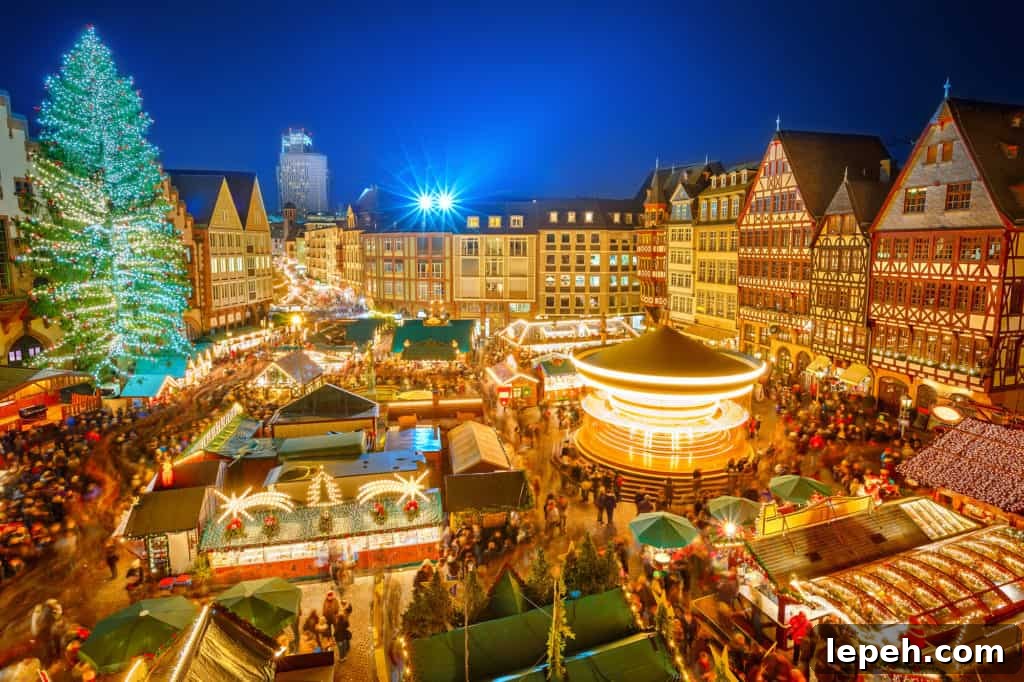
What Can You Do at the Local Christmas Market?
- Eat seasonal market food – bratwurst, potato pancakes, grilled mushrooms, and regional specialties.
- Drink Glühwein – served in reusable mugs with a deposit (Pfand). Return the mug for your deposit or keep it as a souvenir.
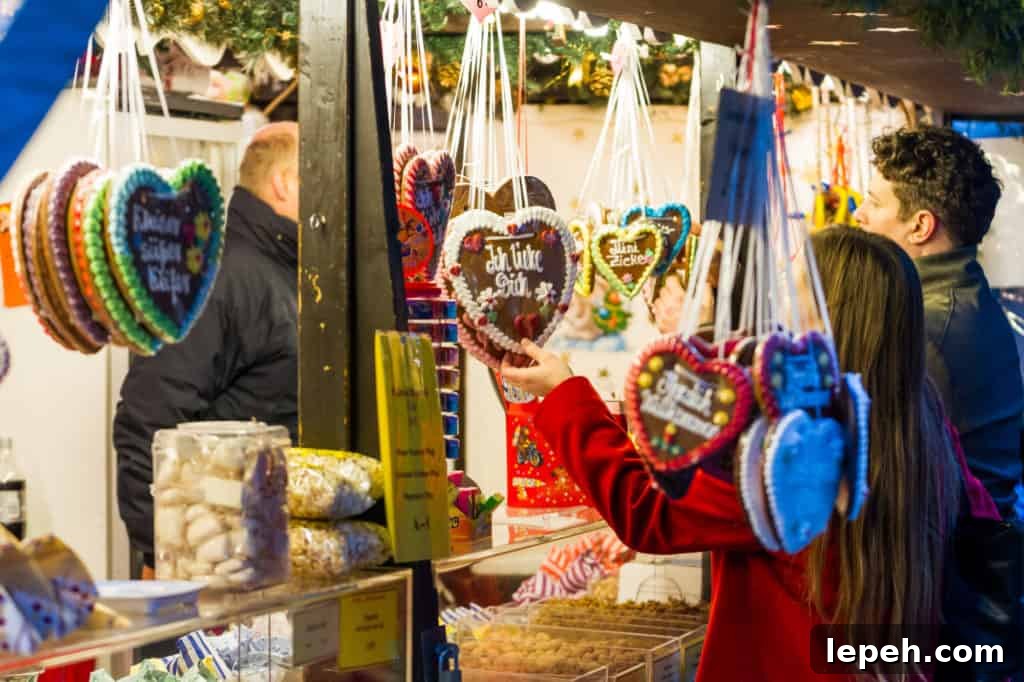
- Enjoy sweets and desserts – gebrannte Mandeln (candied almonds), Lebkuchen (gingerbread), Stollen, marzipan, waffles, crepes, roasted chestnuts, and more.
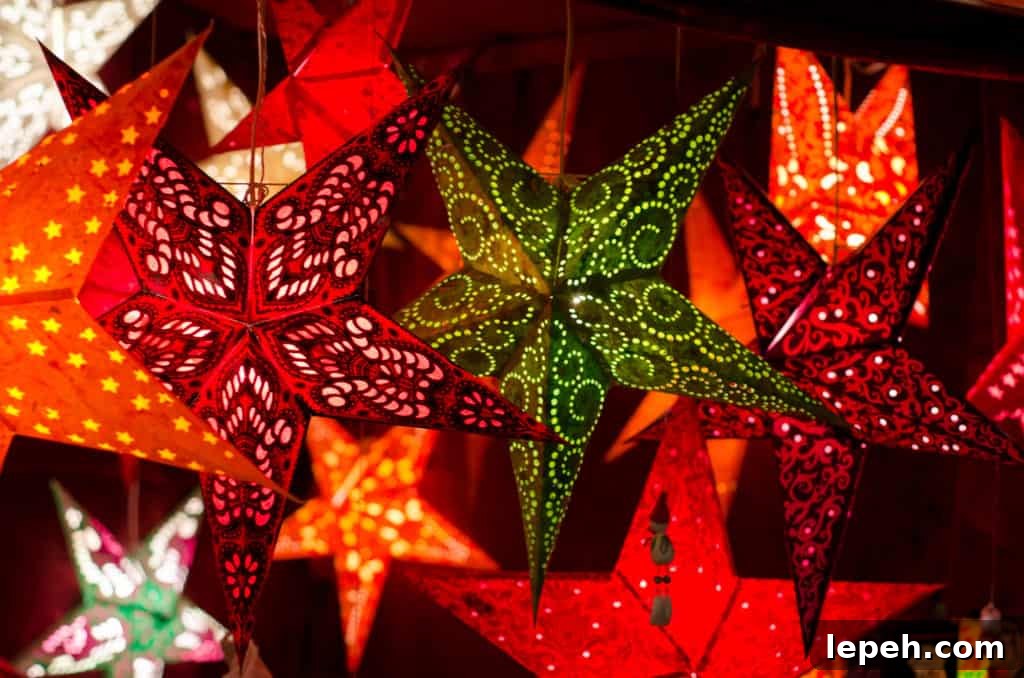
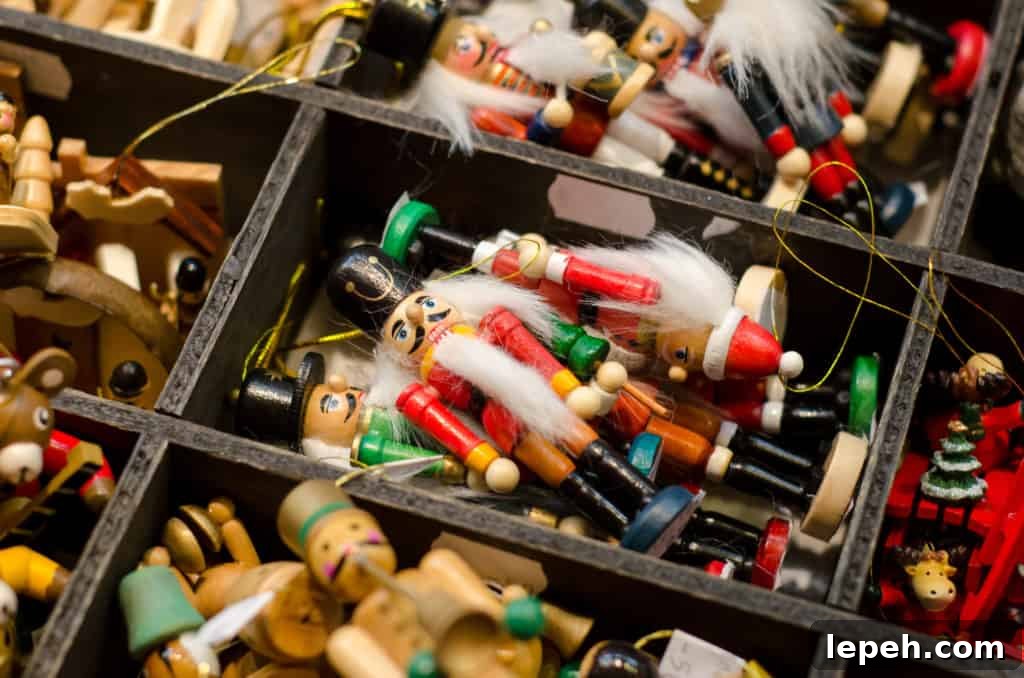
- Shop traditional decorations – wooden ornaments, nutcrackers, candle pyramids, and handmade crafts.
- Find gifts – mugs, toys, ornaments, and artisan goods make memorable presents.
- Enjoy entertainment – live music, choir performances, children’s activities, and sometimes carnival rides or nativity scenes.
What are the Best Markets to Visit?
Germany offers a huge variety of Christmas markets: grand city markets, intimate village fairs, medieval-themed markets, and unique festivals. Here are highlights and tips for 17 memorable markets across the country.
1. Stuttgart Christmas Market
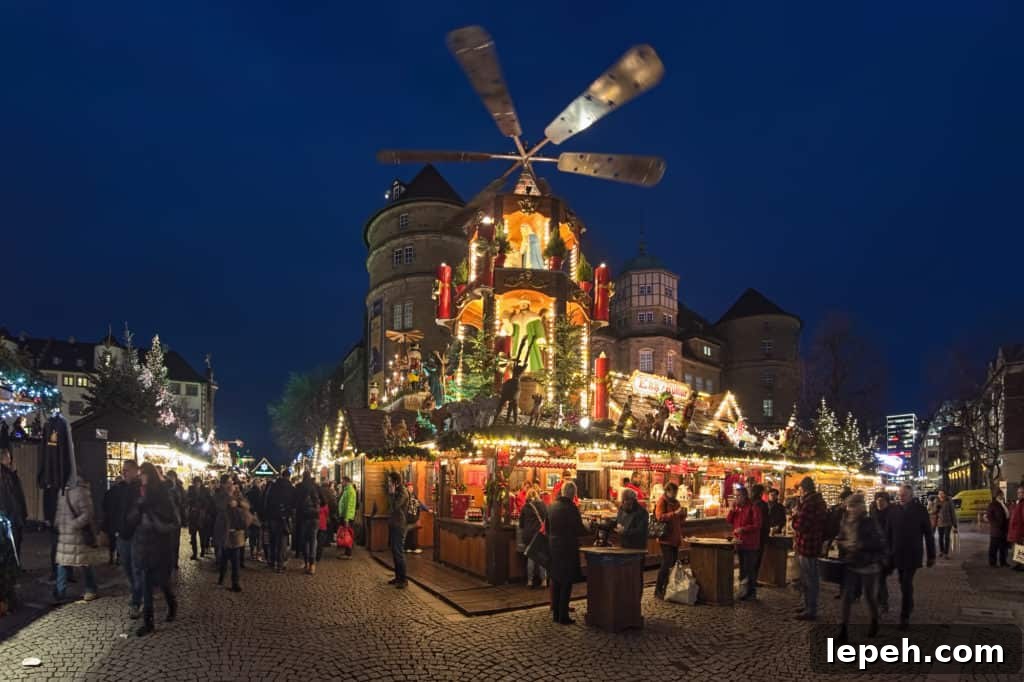
One of Germany’s largest and oldest markets, Stuttgart’s Weihnachtsmarkt fills the city center with stalls, concerts, and family activities like a Christmas fairyland and mini train. It’s an easy walk from the train station and makes a delightful day or evening outing.
Typical dates: late November to December 23.
2. Munich Tollwood Winterfestival
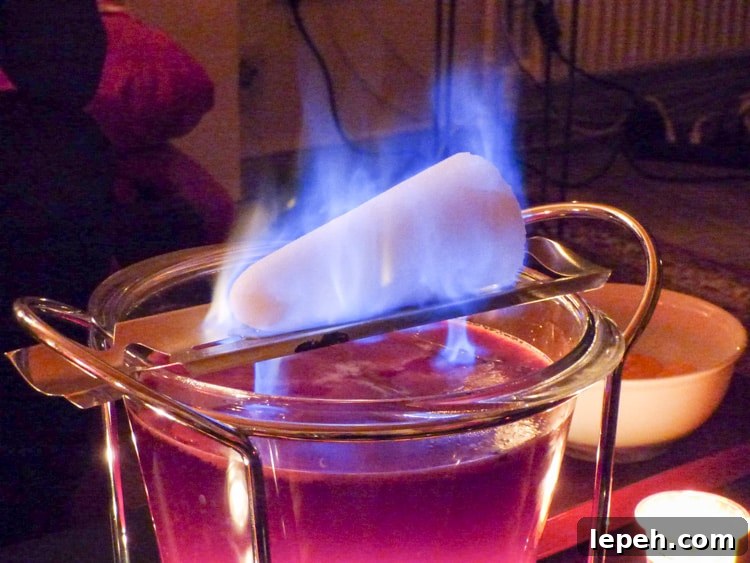
Tollwood is an alternative festival focused on arts, world cuisine, and environmental awareness. It features live music, diverse food stalls, and unique drinks like Feuerzangenbowle—flaming rum-soaked sugar dripping into mulled wine.
Typical dates: late November to December 23.
3. Dresden Striezelmarkt
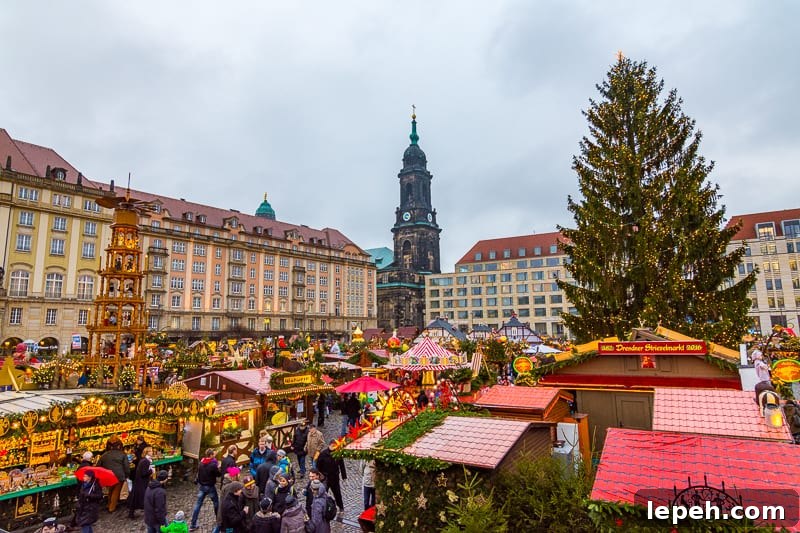
The Striezelmarkt is one of Germany’s oldest markets, set in Dresden’s historic old town. It’s famed for marzipan, Lebkuchen, and a wide variety of handcrafted ornaments. Book accommodations early—this market draws many visitors.
Typical dates: late November to December 24.
4. Berlin Weihnachtsmarkt at the Roten Rathaus
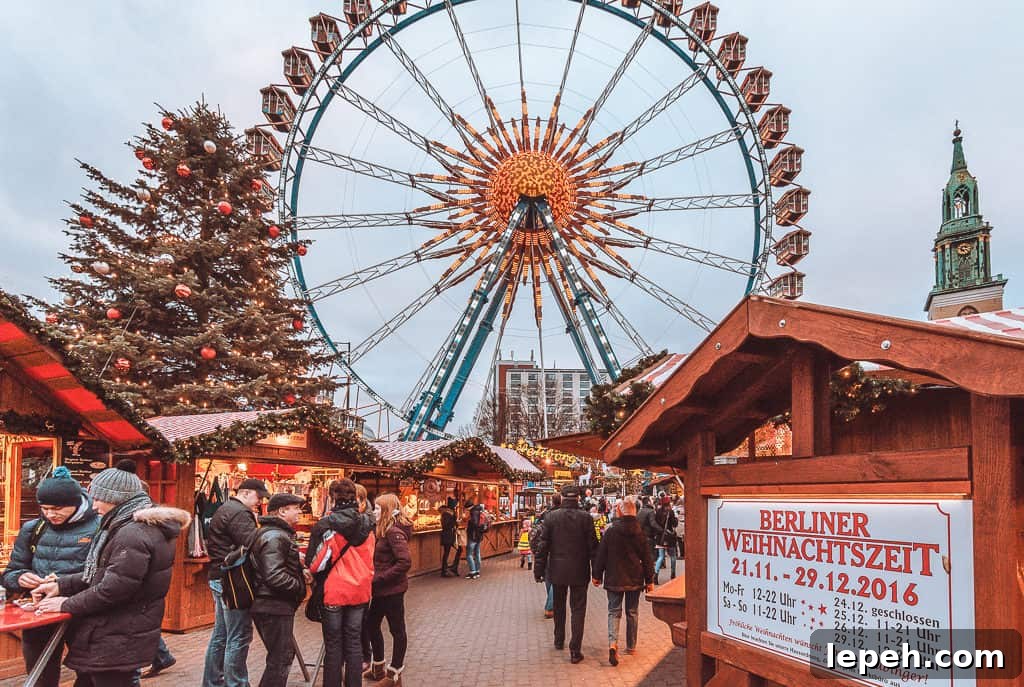
Berlin’s Roten Rathaus market is large and classic, with a ferris wheel, ice rink, and plenty of food stalls. Popular for families and centrally located with good hotel options nearby.
Typical dates: late November to early January (varies).
5. Rhein Villages Weihnachtsmarkt

Small Rhine villages like Bacharach, Boppard, and Oberwesel offer deeply atmospheric markets set along the river with medieval backdrops. Traveling by boat between villages is a magical way to visit multiple markets.
6. Ludwigsburg Weihnachtsmarkt
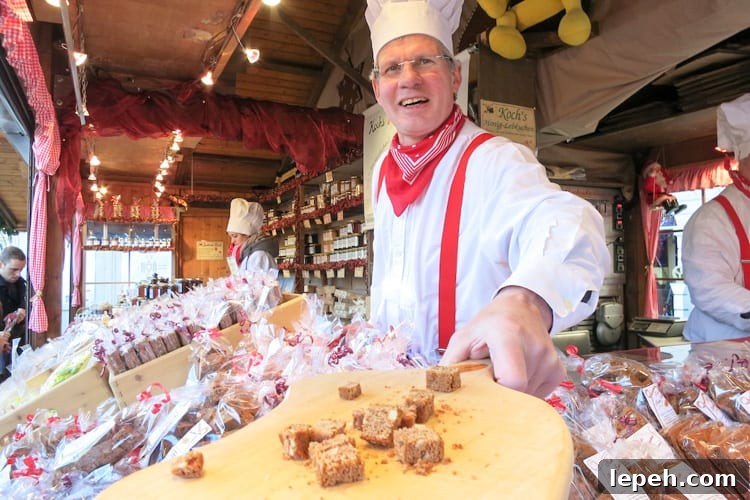
Ludwigsburg’s market is known for dramatic angel sculptures and over 175 stalls. Sample local specialties like Ludwigsburg Lebkuchen and Swabian flatbreads (Dinnede) while strolling between baroque landmarks.
Typical dates: late November to December 23.
7. Nürnberg Christkindlesmarkt
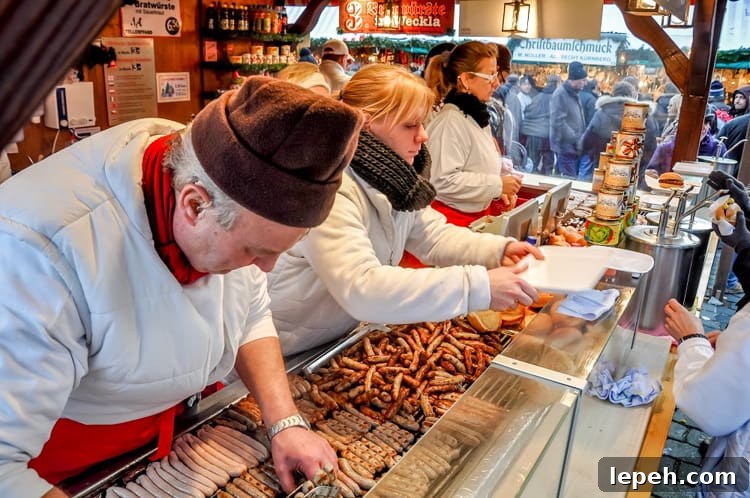
Nuremberg’s Christkindlesmarkt is iconic, set against the Frauenkirche and famed for handmade ornaments, traditional sausages (Nurembergers), and Lebkuchen. The Christkind (Christmas Angel) often presides over festive events.
Typical dates: late November to December 24.
8. Aachen Weihnachtsmarkt
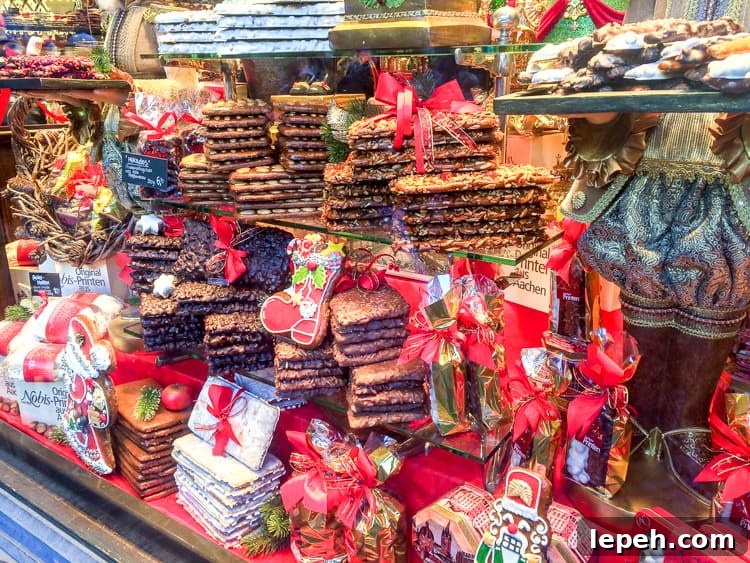
Aachen’s market weaves through the historic old town around the cathedral and town hall. Try local Printen cookies and Reibekuchen potato pancakes while admiring the illuminated cobbled streets.
Typical dates: late November to December 23.
9. Heidelberg Weihnachtsmarkt
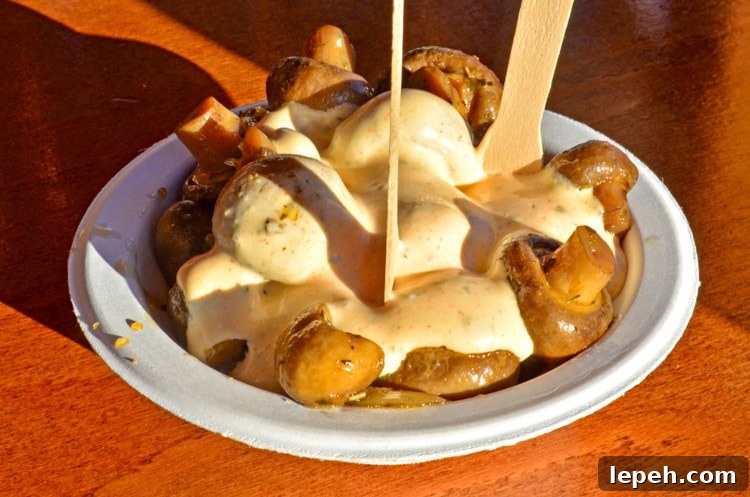
Heidelberg offers a more local experience with several small markets along Hauptstrasse and Karlsplatz, where an ice rink sits beneath the silhouette of Heidelberg Castle. Sample Flammkuchen and enjoy a quieter, authentic atmosphere.
Typical dates: late November to late December.
10. Weihnachtsmarkt am See, Konstanz
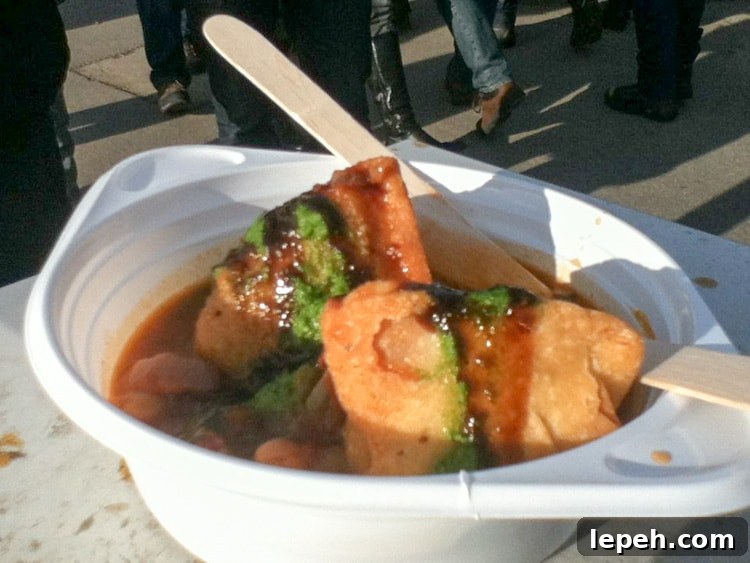
This “Christmas market on the lake” spreads around Lake Constance and even onto a moored Christmas ship. Expect lake views, an ice bar, and international food stalls alongside local specialties like Käsespätzle.
11. Bremen Weihnachtsmarkt
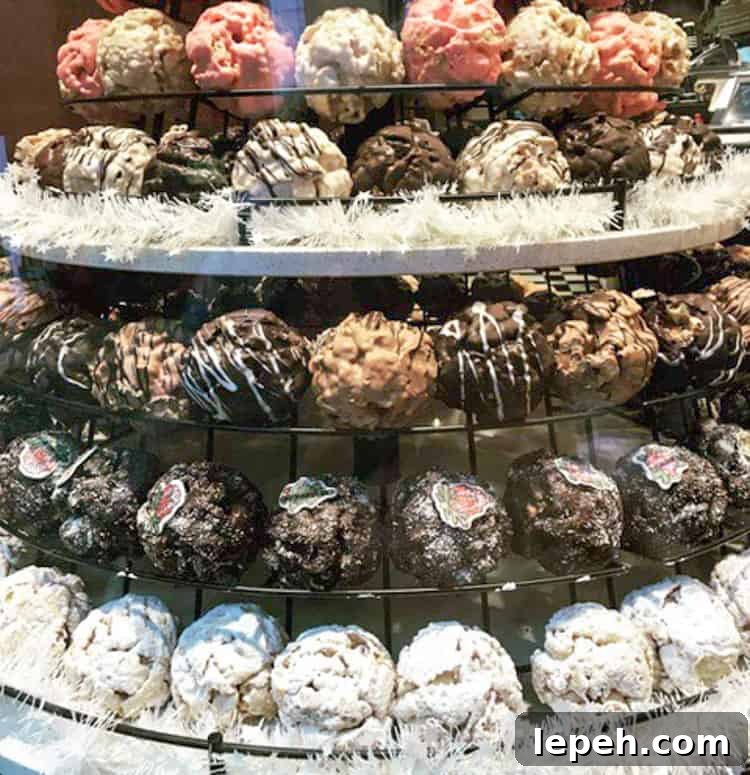
Bremen’s market fills the old town square beneath the famous Town Musicians statue. Stalls offer roast chestnuts, gingerbread, and indulgent sweets, plus savory options for adventurous eaters.
12. Kassel Märchenweihnachtsmarkt
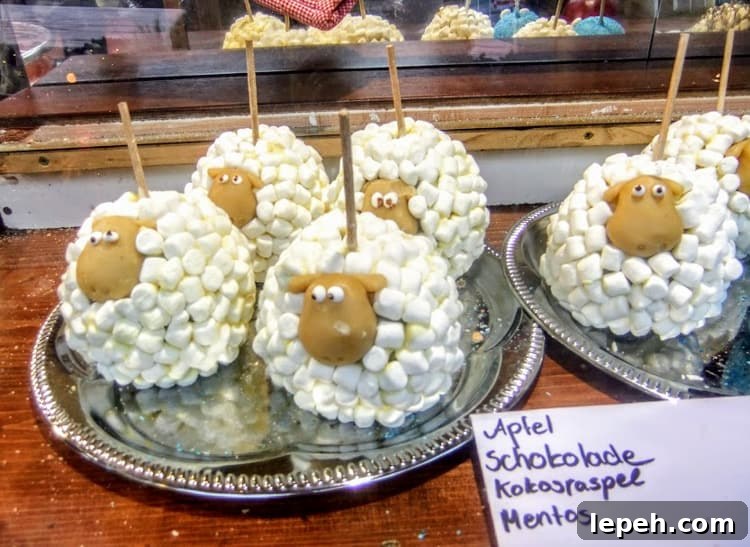
Kassel’s fairy-tale market celebrates the Brothers Grimm with a changing annual theme. Expect whimsical decorations, themed entertainment, and tasty regional fare. It’s one of the few markets that may stay open past Christmas Day.
13. Regensburg Weihnachtsmarkt
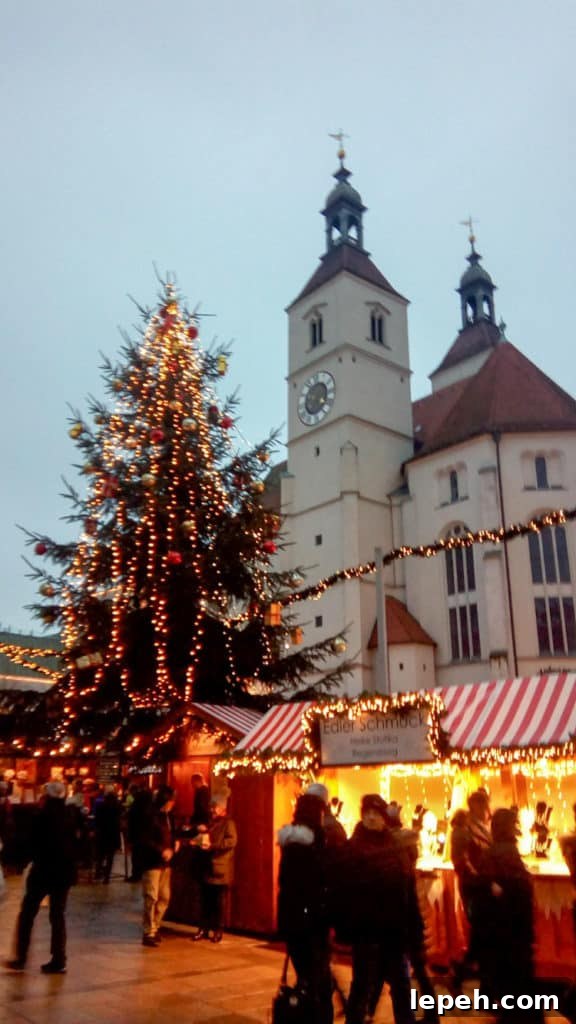
Regensburg hosts multiple markets across its picturesque town center. Each market has its own flavor—artisan stalls, traditional crafts, or live-animal displays—so you can hop from one to the next while enjoying local specialties.
14. Frankfurt Weihnachtsmarkt
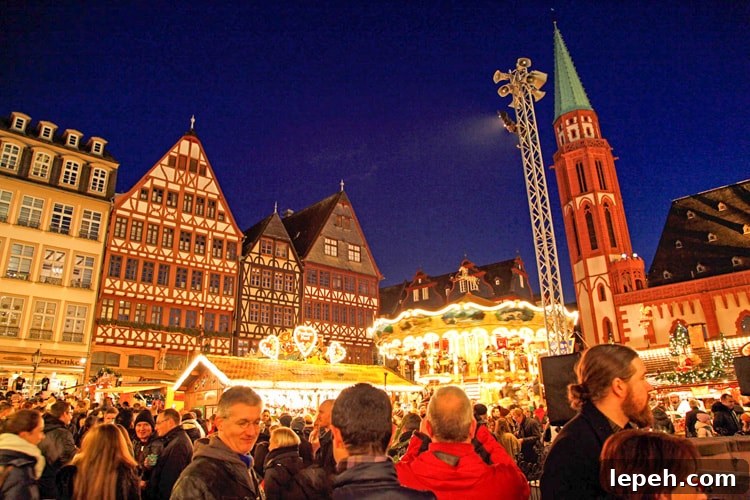
Frankfurt’s market dates back to the 14th century and is one of the oldest in the world. Set among half-timbered houses in the Altstadt, it features hundreds of stalls, seasonal music, and Germany’s tallest Christmas tree in some years.
15. Düsseldorf Weihnachtsmarkt
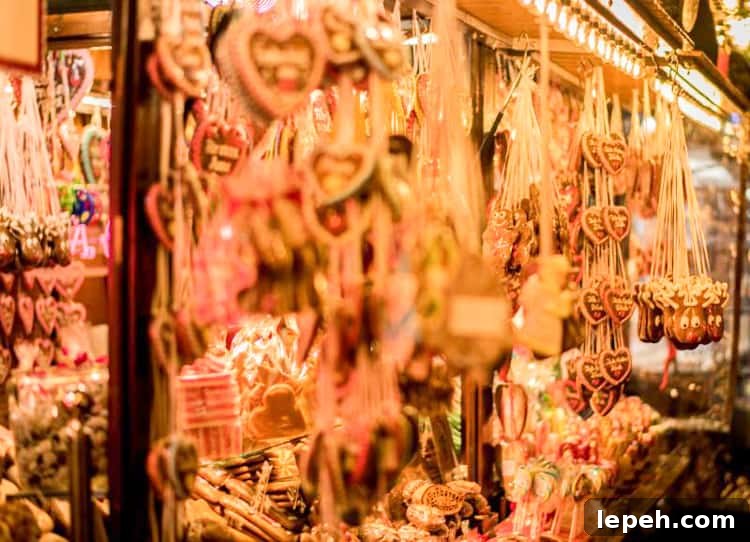
Düsseldorf lights up with several markets across the city, featuring Swiss-style wooden chalets, local crafts, and festive promenades along tree-lined streets.
16. Bonn / Siegburg Weihnachtsmarkt
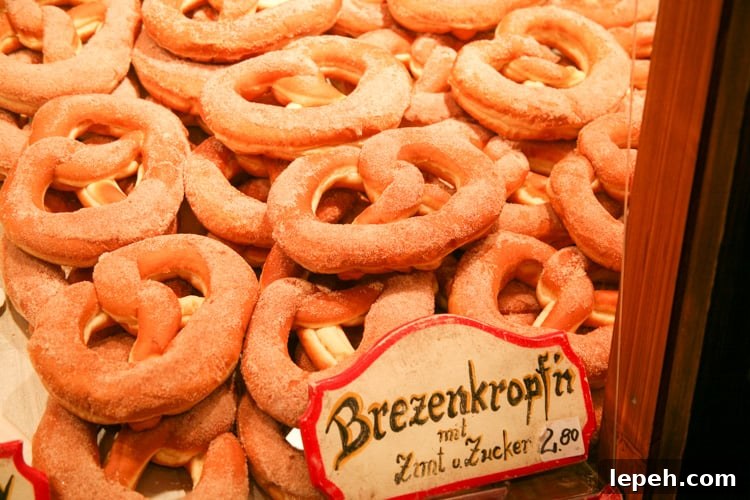
Near Bonn, Siegburg hosts a medieval-style market that recreates historical traditions with candlelight, period dress, blacksmiths, and performers. The food matches the scene with traditional oven-baked breads and rustic specialties.
17. Berlin Gendarmenmarkt
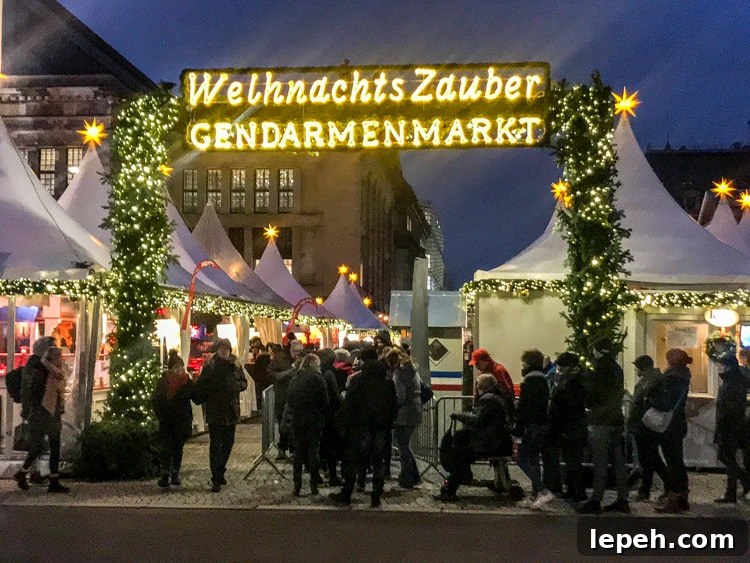
Gendarmenmarkt is one of Berlin’s most atmospheric markets, set between historic concert halls and cathedrals. It’s beautifully lit, popular with visitors, and offers high-quality crafts, music, and plenty of seasonal treats.
Whether you favor bustling city markets or quaint village fairs, Germany’s Christmas markets offer unforgettable seasonal experiences—full of flavor, tradition, and festive charm.