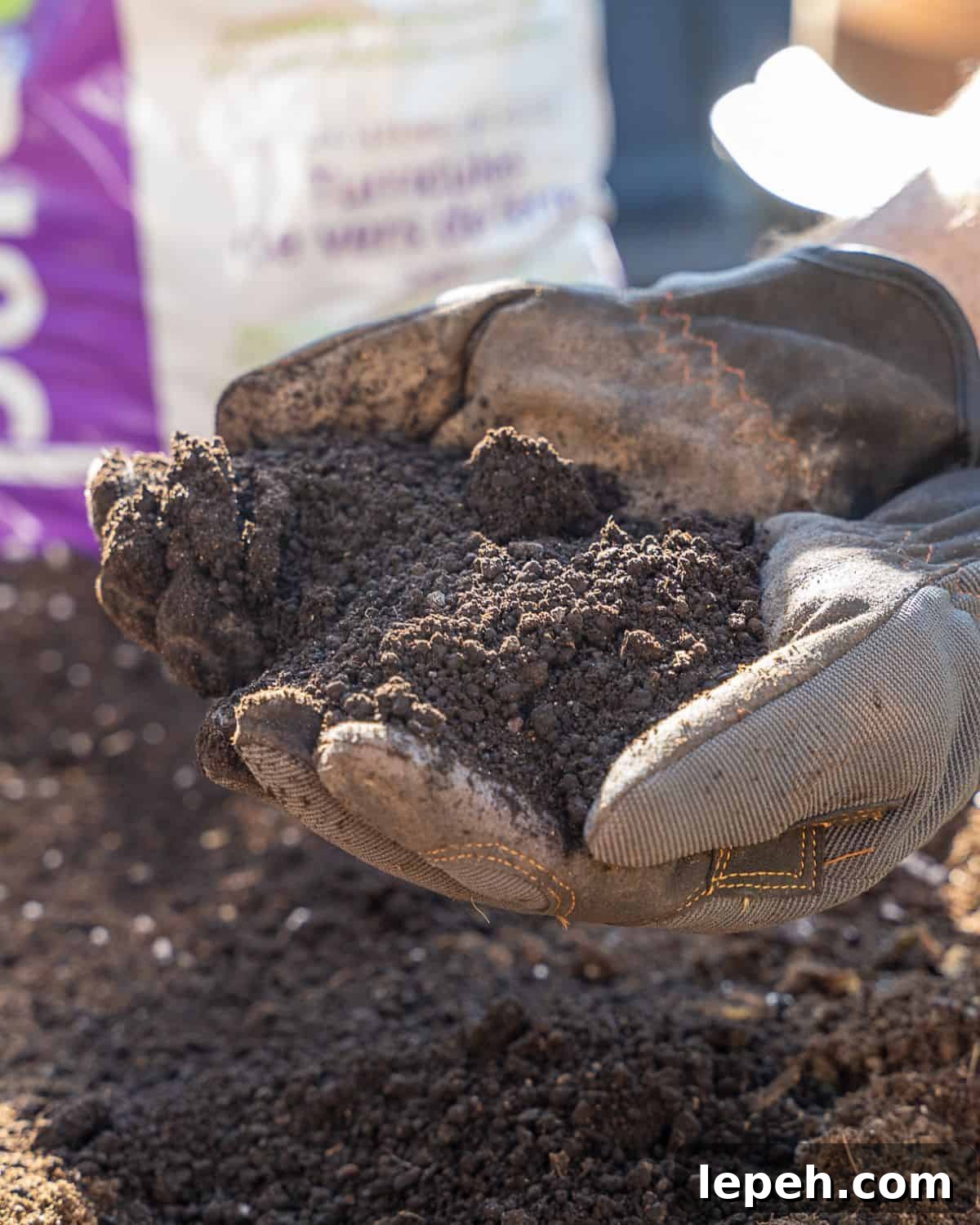
Topsoil and garden soil are key ingredients for successful urban gardening and small-scale agriculture. Both support plant growth but differ in composition, purpose, and best uses. This guide explains those differences and offers practical advice for choosing the right product for your garden.
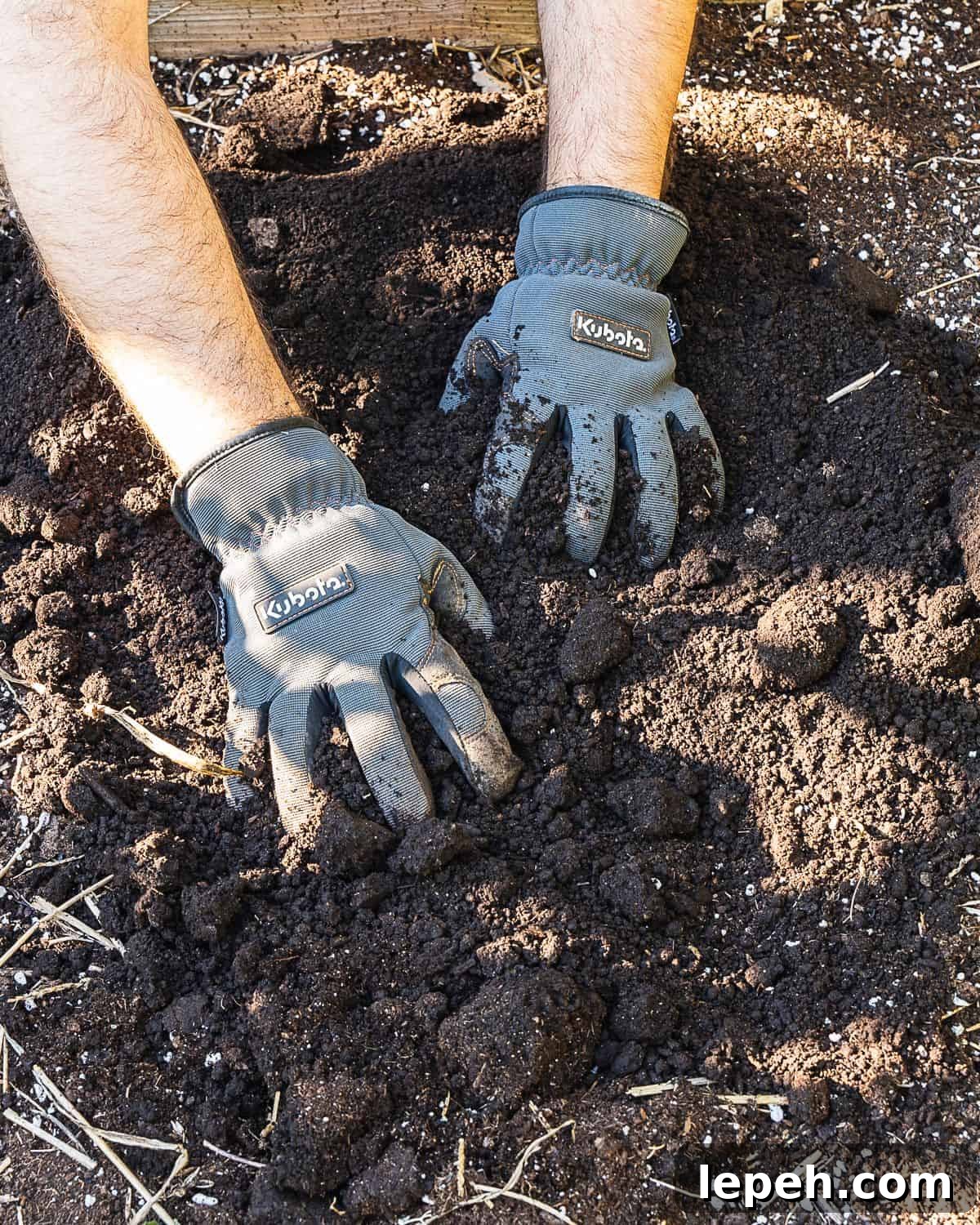
Table of Contents
- What is Topsoil?
- When Should You Use Topsoil?
- What is Garden Soil?
- When Should You Use Garden Soil?
- What is Compost?
- FAQs
What is Topsoil?
Topsoil is the uppermost layer of the earth’s surface that contains a blend of organic matter, minerals, and nutrients plants need to grow. It’s the primary source of nutrients for many plants and plays an important role in water retention and root development. Retail topsoil is commonly sold in bags or in bulk by the cubic yard.
Keep in mind that commercial topsoil products vary widely. Some are mined or scraped from different locations and resold, which raises sustainability concerns. Because of those differences, always check the ingredient list or consult a garden center professional before buying.
Topsoil is also often included as an ingredient in blended products labeled as garden soil. Different brands use different formulations and naming conventions, so examine product contents to make sure it suits your project.
When Should You Use Topsoil?
Topsoil alone is not usually an ideal growing medium: it can be compacted and may limit root growth. Still, there are practical uses for it:
- Creating new garden beds: Topsoil provides a nutrient-bearing base for new beds, especially when mixed with compost to improve structure and fertility.
- Filling raised beds in bulk: For cost efficiency, topsoil can be part of a bulk mix to fill raised beds when combined with organic amendments.
- Leveling and grading: Use topsoil to even out low spots or to grade terrain before planting or landscaping.
- Sodding and seeding lawns: Topsoil makes a stable base layer for new sod or seed, helping establish turf.
What is Garden Soil?
Garden soil is a formulated blend of different soil types, organic matter, and amendments designed to create favorable conditions for plant growth. A typical garden soil mix aims for balanced pH, good drainage, and adequate nutrient content. Suppliers may also add fertilizers or soil conditioners to enhance performance.
The exact makeup of garden soil varies by brand and intended use. Some mixes are marketed specifically for vegetables, flowers, or herbs, while others are general-purpose blends. Because there’s no single standard definition, check the product details to ensure it matches your needs.
Many vendors offer several garden soil varieties targeted at particular applications. Research the supplier and ask about composition before purchasing to confirm suitability for your plants and climate.
When Should You Use Garden Soil?
Garden soil is appropriate for a wide range of gardening tasks:
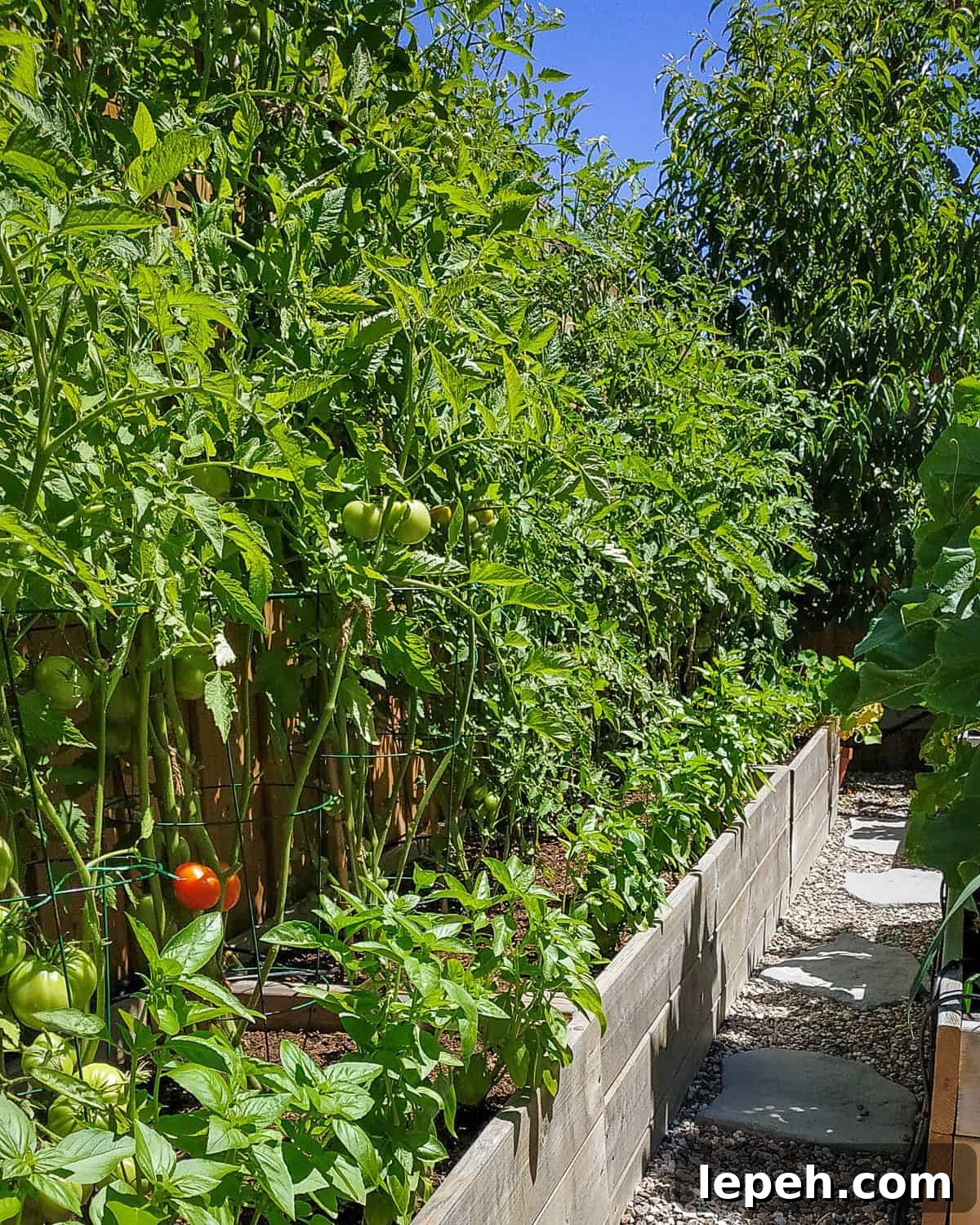
- Planting beds: Use garden soil to establish beds for vegetables, flowers, and ornamentals. It provides a nutrient-rich environment for seedlings and established plants.
- Raised beds: Garden soil is a good choice for filling raised beds where native soil is poor, compacted, or heavy in clay.
- Lawn repair: Mix garden soil with grass seed to patch bare areas and support new turf growth.
- Landscape projects: Use garden soil for leveling, filling low spots, or other small landscaping tasks where improved soil quality is needed.
For container gardening—pots, window boxes, and grow bags—garden soil can work if amended. Add sphagnum peat moss or coconut coir, plus perlite or vermiculite, to improve water retention, drainage, and lighten the mix. These amendments make the soil less dense and better suited for confined root systems.
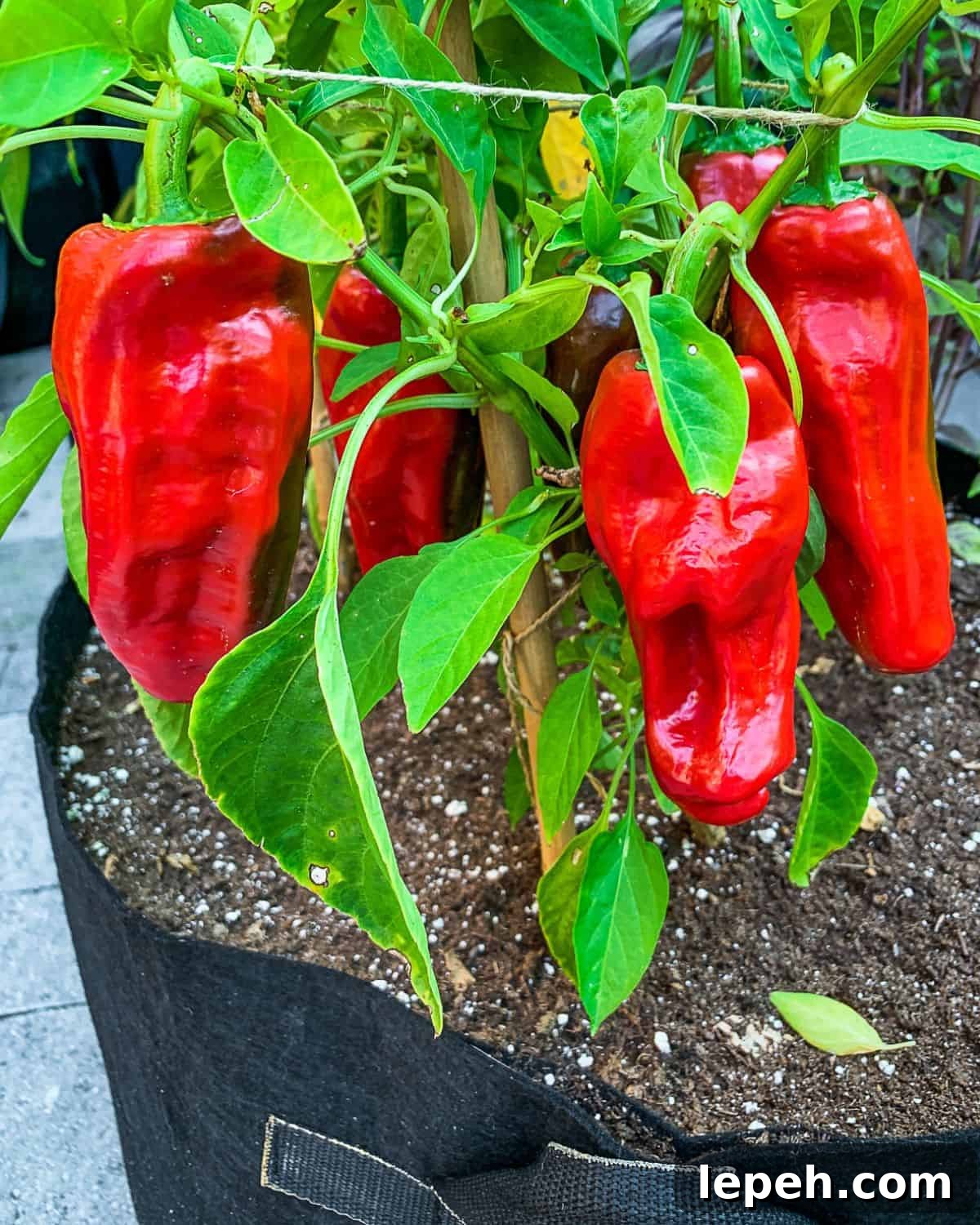
Often it’s more economical to buy garden soil and amend it for containers rather than purchasing premium potting mixes. Adjustments let you tailor the mix to specific plants and container sizes.
What is Compost?
Compost is decomposed organic material made from food scraps, yard waste, and other biodegradable inputs. The natural breakdown process, which can be sped up in compost bins or tumblers, produces a nutrient-dense amendment that improves soil structure and fertility.
Adding compost enhances water retention, aeration, and nutrient availability, making it one of the most valuable soil amendments for gardens. Composting is also a sustainable practice that reduces landfill waste and returns organic matter to the soil.
Because many garden soil formulas include compost, understanding its role is helpful when evaluating product quality. Compost can be produced via methods such as traditional hot composting, vermicomposting, bokashi, and other systems.
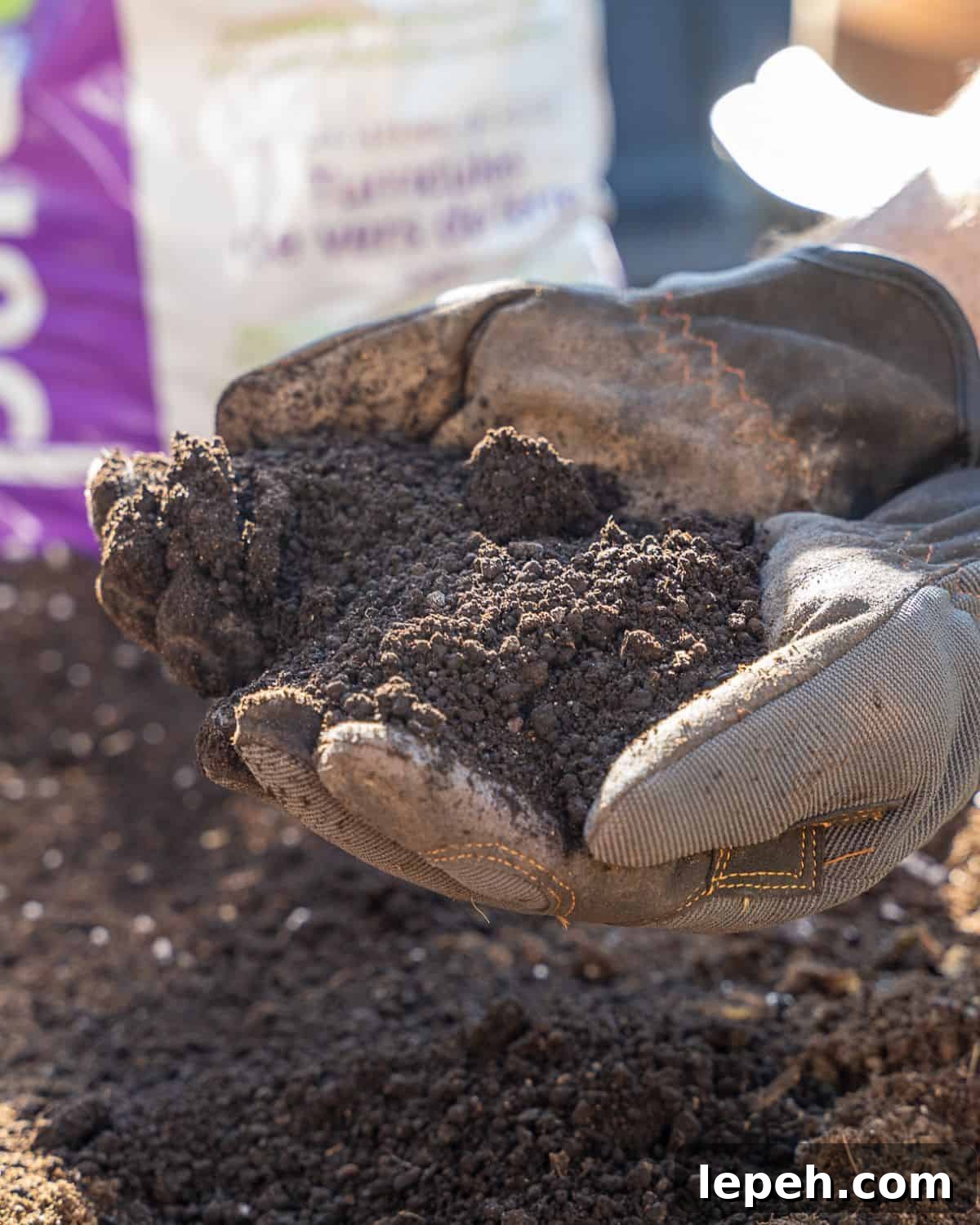
Use compost to amend both topsoil and garden soil for better structure and fertility. Regular additions of compost maintain soil health and support productive gardens over time.
FAQs
Topsoil is the upper layer of earth that contains organic matter and nutrients. Bagged topsoil can be used to start beds when mixed with compost or other organic amendments, but its sourcing can raise sustainability concerns.
Topsoil alone usually won’t provide an ideal environment. For healthier plants, mix topsoil with compost or composted manure and other organic amendments.
No. “Garden soil” is a broad term and formulations vary. Some mixes are tailored for vegetables or flowers while others are general-purpose. Review product details to match the soil to your needs.