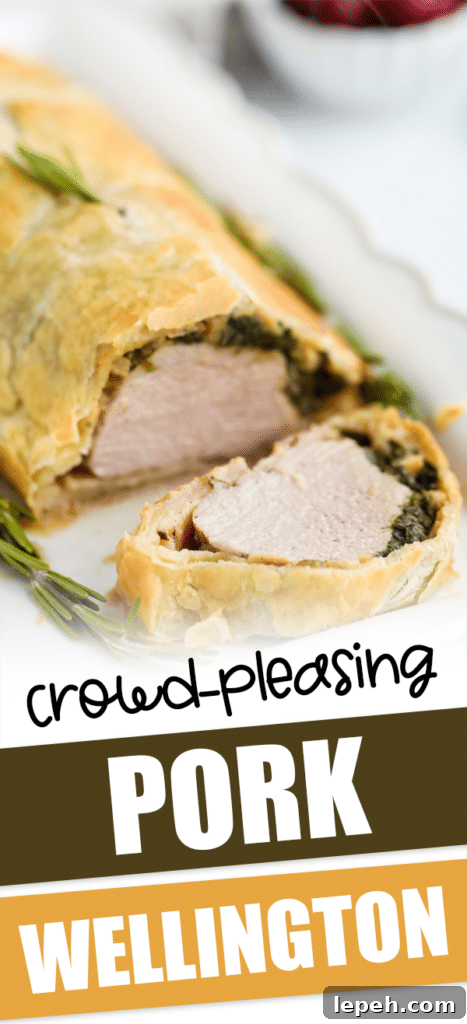
Pork Wellington is an elegant, homemade dinner made from a pork tenderloin topped with a savory spinach filling and wrapped in flaky puff pastry. It looks impressive but is straightforward to prepare, making it an excellent choice for holidays or any special weeknight meal.
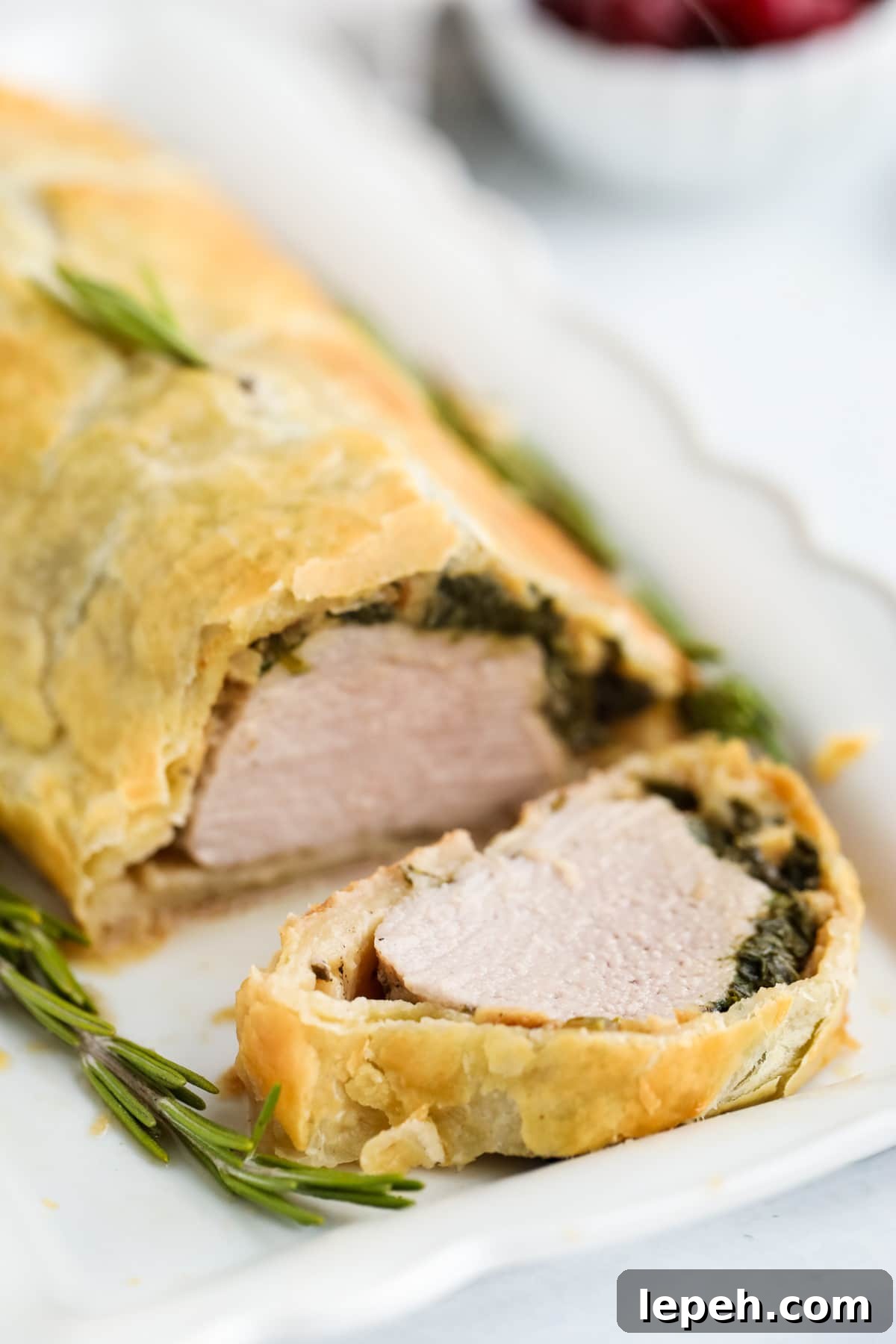
This recipe was originally published in December 2020 and has been updated with new photos and improved content.
What is Pork Wellington?
Pork Wellington is a variation of the classic Wellington: a pork tenderloin coated in a flavorful filling, then wrapped in puff pastry and baked until golden. Different recipes use various fillings, but the principle remains the same—tender, seasoned meat encased in a crisp, buttery crust.
This dish is both satisfying and flavorful, easy enough for a weeknight yet elegant enough for guests. If you enjoy pork Wellington, you might also like Beef Wellington, the original version named for the Duke of Wellington.
What You Need to Make Pork Wellington
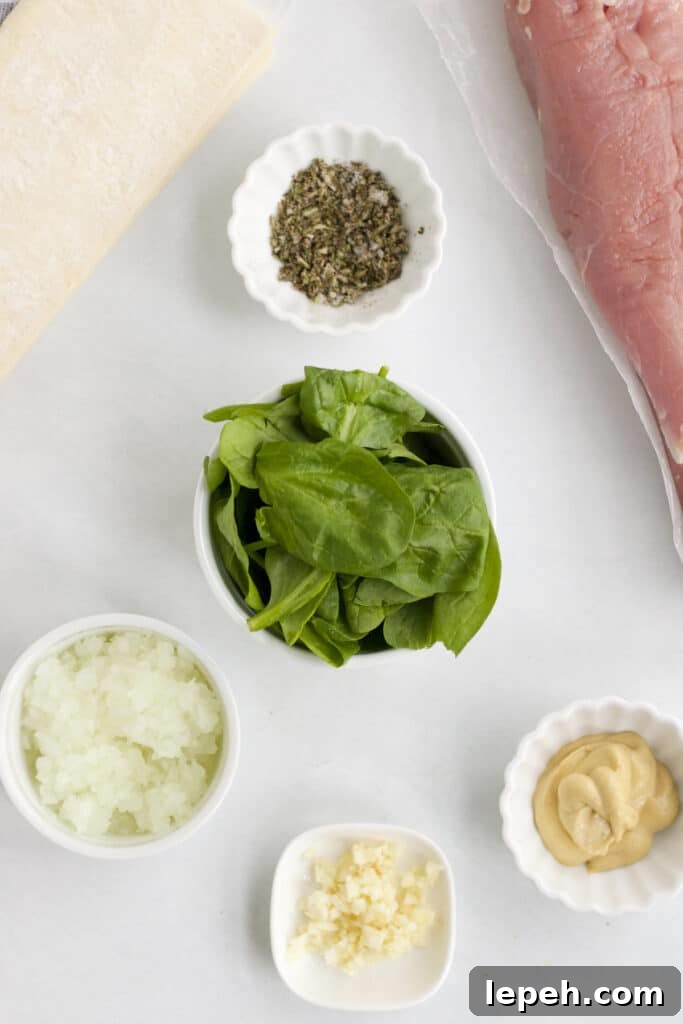
Ingredient Notes
Olive oil: Used to sauté the onion until soft.
Spinach: Fresh baby spinach is recommended for the filling.
Dijon mustard: Adds tang and a mild kick to the filling.
Rosemary: Fresh rosemary gives a fragrant rub for the pork.
Pork tenderloin: Choose a pork tenderloin and trim excess fat for best results.
Puff pastry: Frozen puff pastry sheets are convenient and widely available in grocery freezers.
Choosing a Good Pork Tenderloin
The cut of meat matters. Look for a tenderloin with a pinkish-red color and some marbling for better flavor. Buy it close to when you plan to cook it for peak freshness; it will keep 2–3 days in the refrigerator or up to six months in the freezer.
Note: Don’t confuse pork tenderloin with a pork loin roast—each requires a different cooking approach.
Cooking Tools You Might Need
- Pastry brush — makes applying the egg wash quick and even.
- Meat thermometer — essential for checking the internal temperature so the pork is cooked safely without overcooking.
- Baking tray or pan.
How to Make Pork Wellington

Preheat the oven to 425°F and prepare a baking sheet with nonstick spray or parchment.
First, make the filling: heat olive oil in a large skillet over medium heat. Cook the chopped onion until soft, add the garlic and cook for one more minute, then add the spinach. Cook until the spinach wilts and most of the liquid evaporates. Remove from heat, drain any remaining moisture, stir in the Dijon mustard, and set aside.
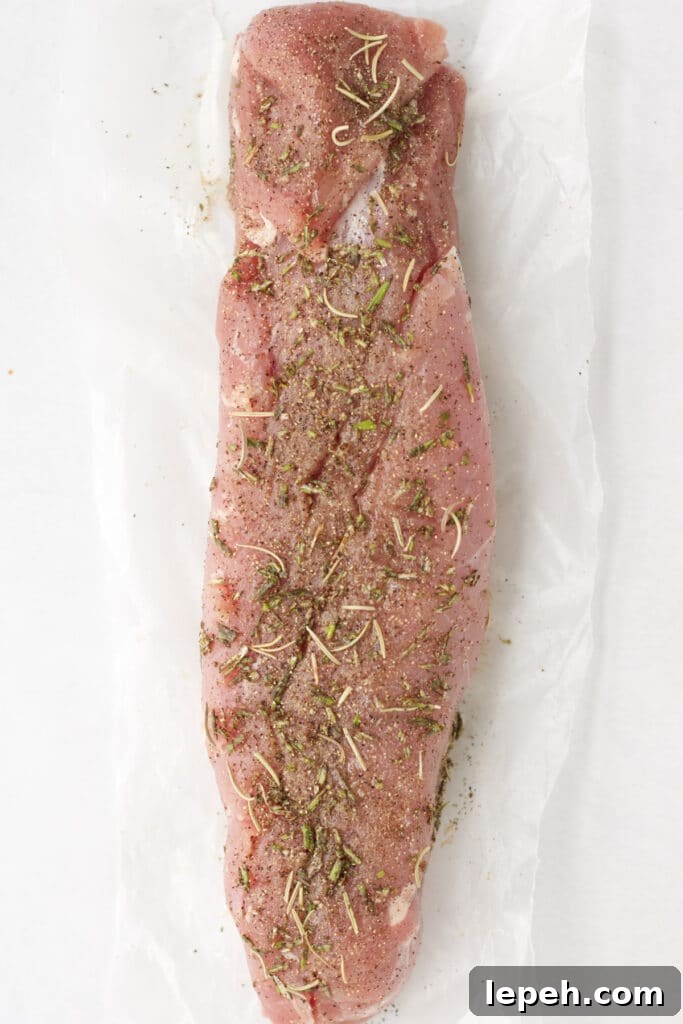
Mix chopped fresh rosemary with salt and pepper, then rub the mixture all over the pork tenderloin so it’s evenly coated.
On a lightly floured surface, unfold the thawed puff pastry and roll it to about 12 inches in length. Spoon the spinach mixture into a 3-inch-wide mound down the center of the pastry. Place the seasoned pork on top of the spinach, fold the ends, then wrap and tuck the pastry snugly around the tenderloin.
Transfer the wrapped tenderloin to the prepared baking sheet with the seam side down. Use a sharp knife to make a few small slits on top of the pastry to allow steam to escape.
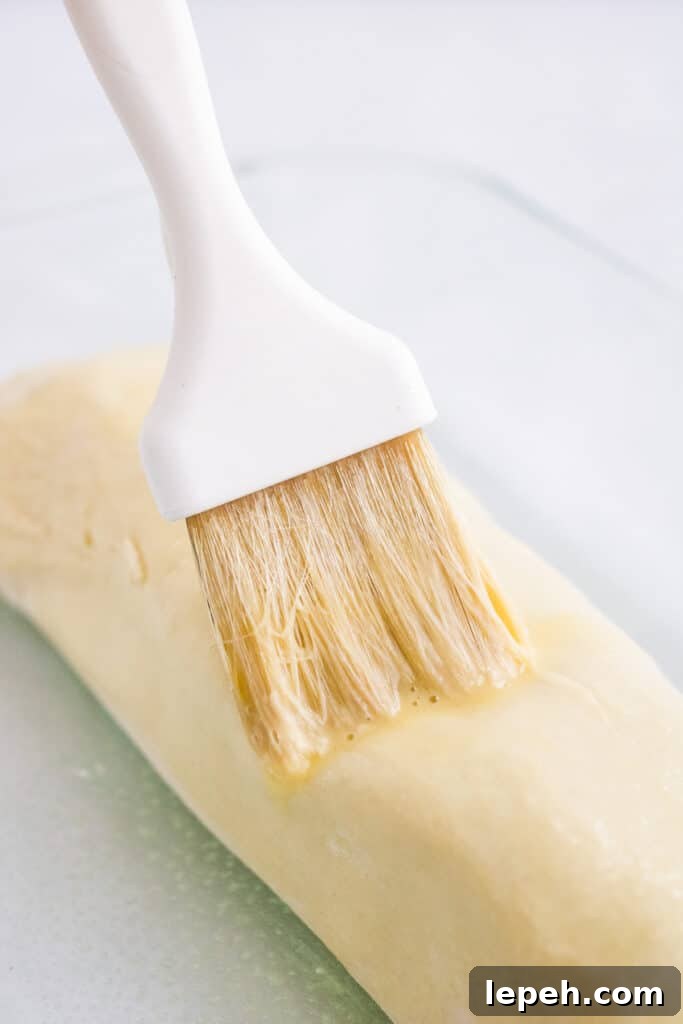
Beat one egg with a tablespoon of water and brush it over the pastry for a glossy, golden finish. Bake for 35–40 minutes, or until an instant-read thermometer inserted into the thickest part of the pork reads 145°F.
Note: Tenderloins vary in thickness. Start checking the temperature after 25 minutes. If the pastry browns too quickly, loosely cover it with foil to prevent burning while the meat finishes cooking.

What to Serve with Pork Wellington
Pork Wellington pairs well with a variety of sides. Try roasted or grilled vegetables, a simple salad, or a potato dish such as hasselback or scalloped potatoes. Rice pilaf, roasted baby potatoes, or green beans almondine are also great choices. Finish the meal with a light dessert for special occasions.
Storing Leftover Pork Wellington
Store leftovers in an airtight container in the refrigerator for 2–3 days.
To freeze before baking: wrap the assembled Wellington tightly in plastic wrap and foil, then freeze for up to 2–3 months. Thaw in the refrigerator 1–2 days before baking. You can also portion and freeze individual servings.
To reheat, warm in the microwave in 30-second intervals or reheat in a low oven until heated through to preserve pastry texture.
Expert Tips for Making This Recipe
- Ensure puff pastry is fully thawed and at room temperature before rolling for easier handling.
- Trim any excess fat from the tenderloin to avoid greasy spots under the pastry.
- Place the Wellington seam side down before baking so it stays sealed and looks neat on top.
- If the pastry browns too quickly, tent loosely with foil to protect it while the meat finishes cooking.
- Cook the spinach until most of the liquid is gone. Removing extra moisture prevents a soggy bottom crust.
- Don’t skip the egg wash — it gives the pastry a beautiful golden color and shine.
Wellington is not difficult, but it requires a bit more prep than a plain roast. Follow the instructions and tips, use a meat thermometer, and allow yourself enough time to work at a relaxed pace. Even beginners can successfully make this dish.
Yes. After assembling the Wellington, wrap it tightly in plastic wrap and foil and freeze for up to one month. Thaw in the refrigerator 1–2 days before baking, then bake as directed.

More Easy Dinner Ideas
 Simple Grilled Salmon
-
Instant Pot Chicken Gnocchi Soup
-
Champagne Chicken
-
Slow Cooker Cabbage Roll Soup




For additional pork recipes, try options like rosemary garlic pork tenderloin, roasted pork with mustard sauce, or cranberry orange pork tenderloin.
Did you try this recipe? Please leave a star rating and a review in the comments — feedback is always appreciated. If you share photos on social media, tag @freshcoasteats so they can see your results!

Pork Wellington Recipe
Print
Pin
Rate
Equipment
- Meat thermometer
- Pastry brush
- Baking sheet
Ingredients
Filling:
- 1 Tablespoon extra virgin olive oil
- 1 small onion, chopped
- 2 cloves garlic, chopped
- 6 ounces fresh baby spinach
- 1/4 teaspoon salt
- 1/8 teaspoon pepper
- 2 Tablespoons Dijon mustard
Pork:
- 1 teaspoon fresh rosemary, chopped
- 1/2 teaspoon salt
- 1/4 teaspoon pepper
- 1 lb pork tenderloin
- 1 sheet frozen puff pastry, thawed
Egg Wash:
- 1 egg, beaten
- 1 tablespoon water
Instructions
- Preheat oven to 425°F and prepare a baking sheet with nonstick spray or parchment.
- In a large skillet, heat oil over medium heat. Cook onion until tender, add garlic for 1 minute, then add spinach and cook until wilted and most liquid evaporates.
- Remove from heat, drain any remaining liquid, stir in the mustard, and set aside.
- Mix rosemary, salt, and pepper; rub all over the tenderloin to coat evenly.
- On a lightly floured surface, roll the thawed pastry to about 12 inches in length.
- Spoon the spinach mixture into a 3-inch mound down the center of the pastry.
- Place the pork on top of the spinach, fold the ends, then wrap and tuck the pastry around the tenderloin.
- Transfer to the baking sheet seam-side down and slice a few vents in the top of the pastry.
- Brush the pastry with the egg wash and bake 35–40 minutes, or until the internal temperature reaches 145°F. If the pastry browns too fast, cover loosely with foil.
Notes
Expert Tips
- Make sure the puff pastry is fully thawed and at room temperature before rolling.
- Trim excess fat from the tenderloin for a cleaner presentation.
- Place the Wellington seam side down to keep it sealed and neat.
- Check the roast after about 25 minutes, as thickness varies; use a thermometer for accuracy.
- Cook off as much liquid from the spinach as possible to avoid a soggy crust.
- The egg wash gives the pastry a deep golden, glossy crust—don’t skip it.
Nutrition
Share your results and tag @FreshCoastEats when you pin or post.
Be sure to save this recipe for later.