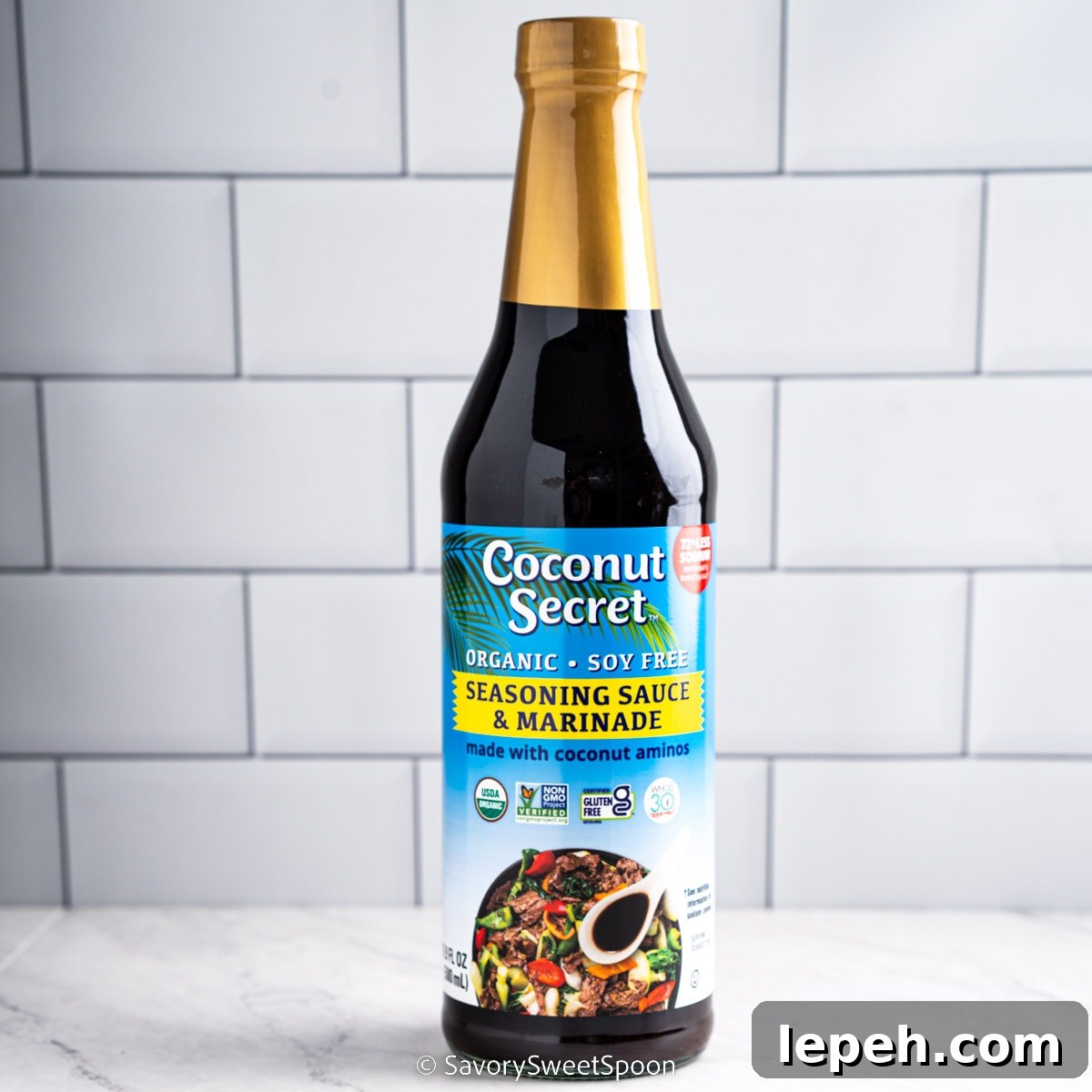
If you can’t find coconut aminos or want alternatives, this guide presents six reliable substitutes and explains how to use them in place of coconut aminos.
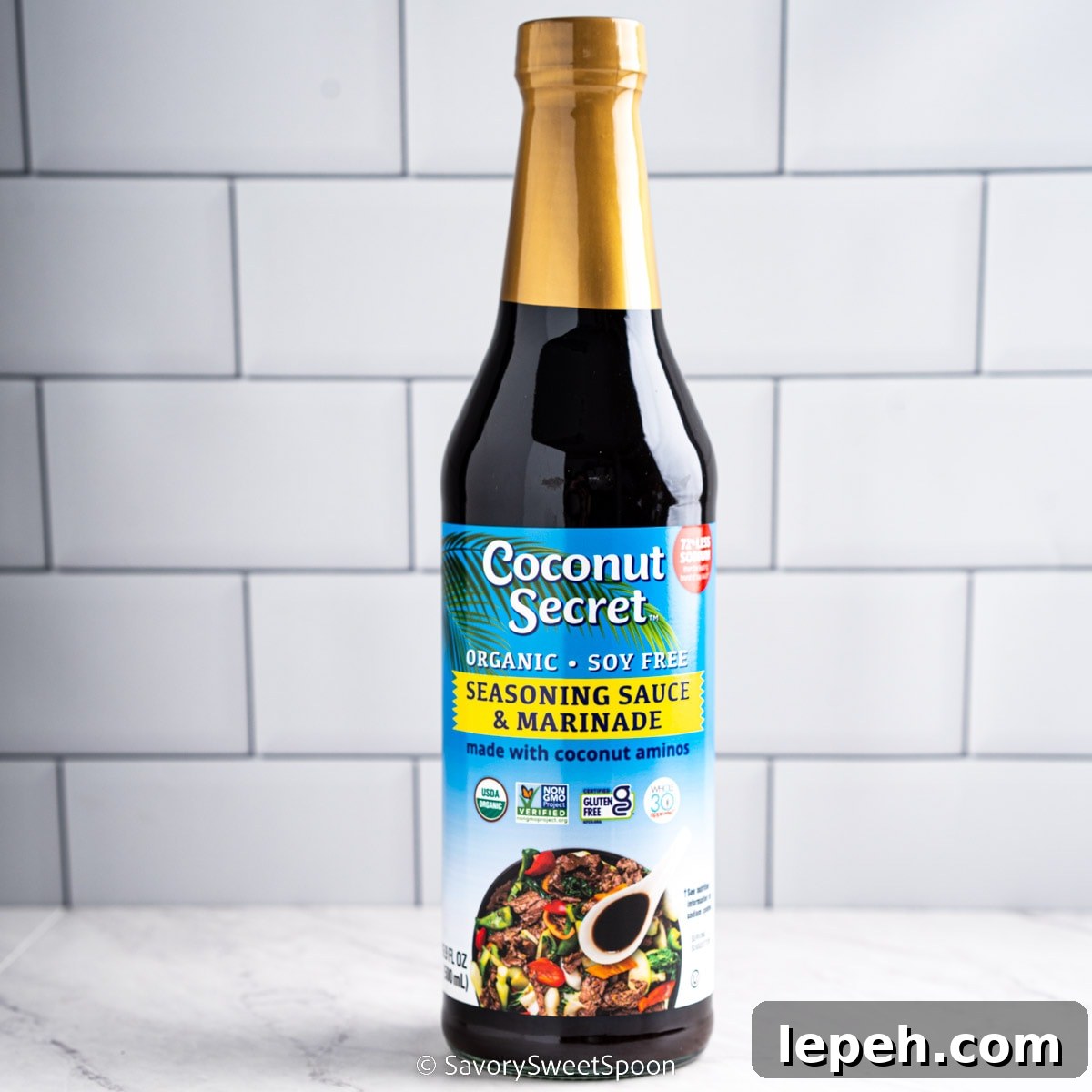
What is Coconut Aminos?
Coconut aminos are a savory, slightly sweet seasoning made from the fermented sap of coconut blossoms. They are widely used as a soy-free, gluten-free alternative to soy sauce and are popular in many Asian-inspired and health-conscious recipes.
The sap from coconut flowers is collected and allowed to ferment, producing a dark, umami-rich liquid with milder saltiness and a hint of sweetness compared with traditional soy sauce. That balance of savory and sweet makes coconut aminos versatile for marinades, stir-fries, dressings, dipping sauces, soups, and stews.
Because they’re soy-free and usually lower in sodium than regular soy sauce, coconut aminos are a go-to for people avoiding soy or gluten. They are commonly stocked in health food stores and many grocery retailers.
Best Substitutes For Coconut Aminos
1. Soy Sauce

Soy sauce is the closest common pantry swap in flavor and function. Made from fermented soybeans, roasted grains, water, and salt, it delivers a salty, umami-forward profile. If you don’t have soy or gluten restrictions, regular soy sauce works well as a substitute.
How to substitute:
- Start with a 1:1 swap for most recipes.
- Because soy sauce is usually saltier, reduce added salt in the recipe or use a little less soy sauce and adjust to taste.
- If you miss the mild sweetness of coconut aminos, add a small amount of honey, maple syrup, or another sweetener to balance flavors.
- To soften the intensity, dilute soy sauce with a splash of water.
2. Tamari
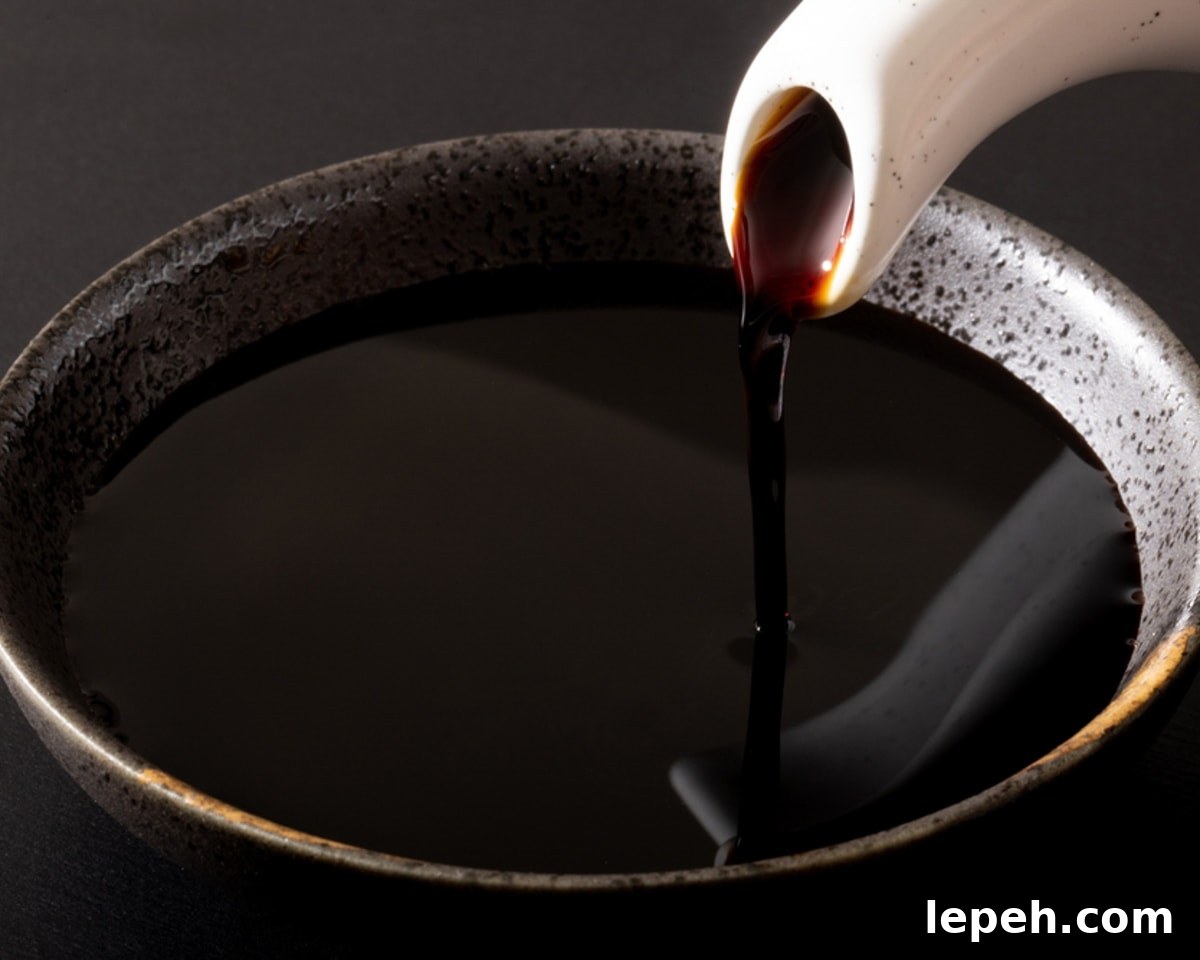
Tamari is a Japanese-style soy sauce with a rich, deep flavor and a tendency to be lower in wheat—many varieties are gluten-free. Its savory profile makes it a strong alternative when you want a soy-based substitute without gluten.
How to substitute:
- Use a 1:1 substitution to start.
- Taste and reduce added salt if the dish seems too salty—tamari can be more intense than coconut aminos.
- Dilute with a little water if you prefer a milder result, and add a touch of sweetener if the recipe needs the slight sweetness coconut aminos normally provide.
3. Liquid Aminos

Liquid aminos are made by hydrolyzing soy protein into amino acids, producing a savory liquid similar in use to soy sauce. They’re often marketed as a gluten-free option, though they still contain soy unless specifically made from another protein source.
How to substitute:
- Replace coconut aminos with an equal amount of liquid aminos in most recipes.
- Taste as you go—intensity and saltiness can vary by brand, so add more or less to achieve the desired balance.
- If you want the mild sweetness of coconut aminos, add a small amount of sweetener to round the flavor.
Note: liquid aminos are not suitable for people with soy allergies unless they are made from a non-soy source.
4. Oyster Sauce
Oyster sauce is made from oyster extracts, soy sauce, sugar, and seasonings, giving it a thick texture and concentrated umami flavor with noticeable sweetness and a hint of seafood character. It works best in recipes where its richness and color are welcome.
How to substitute:
- Use less than the recipe’s listed amount—start with about half the coconut aminos called for and adjust up if needed.
- Because oyster sauce already contains sugar, you may not need to add sweeteners.
- Keep in mind the seafood flavor; use oyster sauce in dishes that pair well with that note (stir-fries, savory glazes, or marinades).
- Do not use oyster sauce for vegetarian, vegan, or shellfish-allergic diets.
5. Worcestershire Sauce
Worcestershire sauce is a complex condiment made from vinegar, molasses, anchovies, tamarind, garlic, and spices. It brings tangy, sweet, and umami elements, but its flavor is distinct from coconut aminos and includes fish-derived ingredients.
How to substitute:
- Begin with a smaller amount—about half the volume called for—and adjust to taste.
- Add a touch of sweetener to mimic coconut aminos’ mild sweetness if needed.
- Remember the tangy and anchovy notes; Worcestershire fits well in robust recipes like stews or marinades where those flavors complement the dish.
- Avoid Worcestershire for vegetarian, vegan, or fish-allergic diets.
6. Teriyaki Sauce

Teriyaki sauce is a sweeter Japanese-style glaze made from soy sauce, mirin or rice wine, sugar, and often ginger or garlic. Its pronounced sweetness and aromatics make it better suited for dishes that benefit from a glaze or sweeter profile.
How to substitute:
- Use a smaller amount than the coconut aminos called for, then adjust to taste.
- If the recipe would be overly sweet, balance teriyaki with a splash of soy sauce or a little vinegar to reduce sweetness and add depth.
- Account for added flavors like ginger and garlic when seasoning the rest of the dish.
Frequently Asked Questions
Coconut aminos are derived from fermented coconut sap and have a milder, slightly sweeter flavor and typically lower sodium than soy sauce. Soy sauce is made from fermented soybeans (and usually wheat), producing a saltier, deeper savory profile and commonly contains gluten.
Tamari is a good swap for both when you need a gluten-free soy option. Liquid aminos provide a soy-based alternative with a similar umami profile. If you need a soy-free option, consider adjustments like diluted soy sauce with added sweetener or other non-soy savory sauces that suit your dietary needs.
Coconut aminos are typically made from the fermented sap of coconut blossoms combined with salt, producing a dark, savory-sweet seasoning.
You can in some recipes, but keep in mind Worcestershire has a distinct tangy-salty flavor and often contains anchovies, which makes it unsuitable for vegetarians, vegans, or those with fish allergies. It’s best used sparingly and balanced with sweetener if you need to mimic coconut aminos’ sweeter notes.