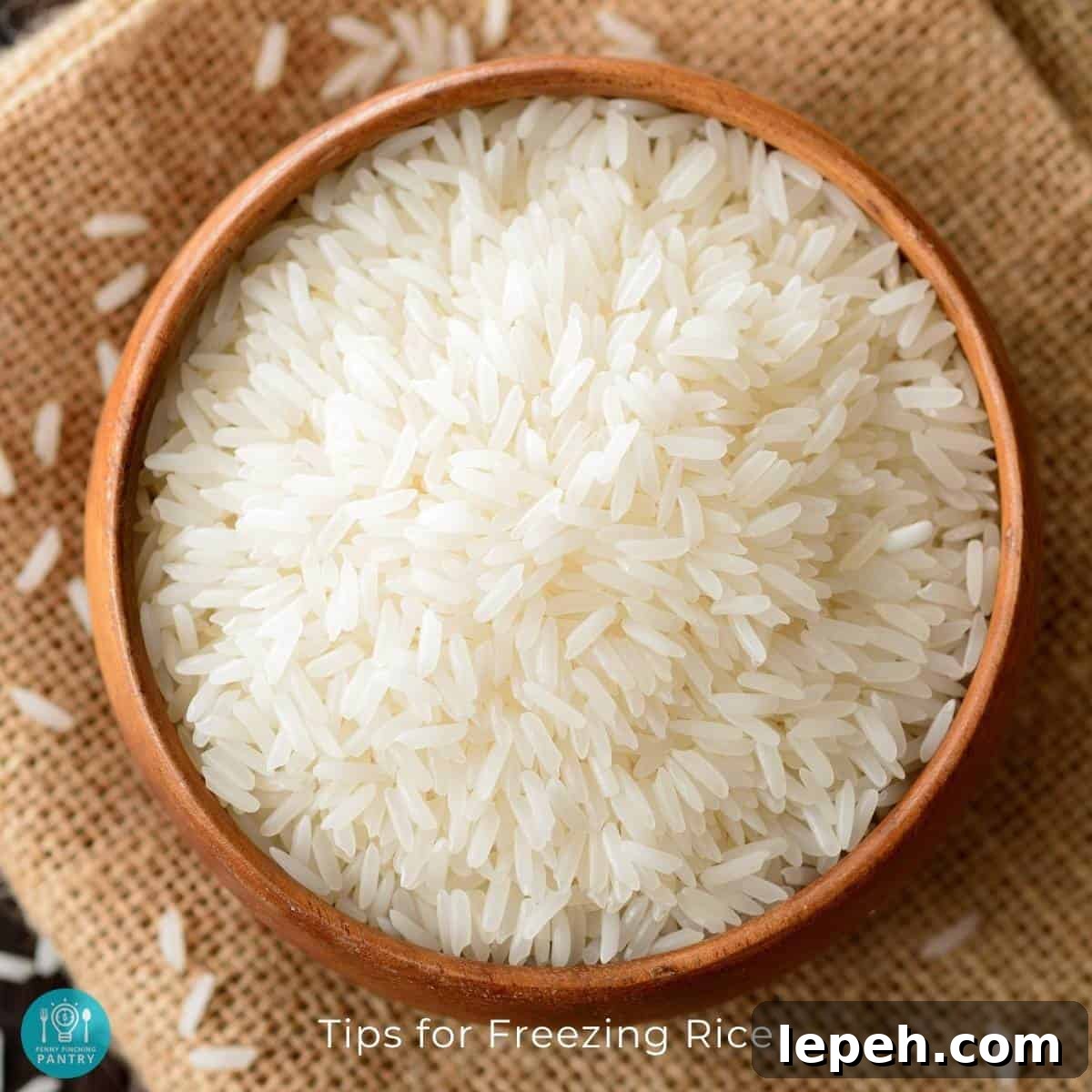
Freezing rice is a smart time-saver for meal prep and makes it easy to add a flavorful, filling grain to meals anytime.
This guide explains how to cook, cool, store, and reheat rice for the freezer so you can reduce food waste and have ready-to-use rice whenever you need it.
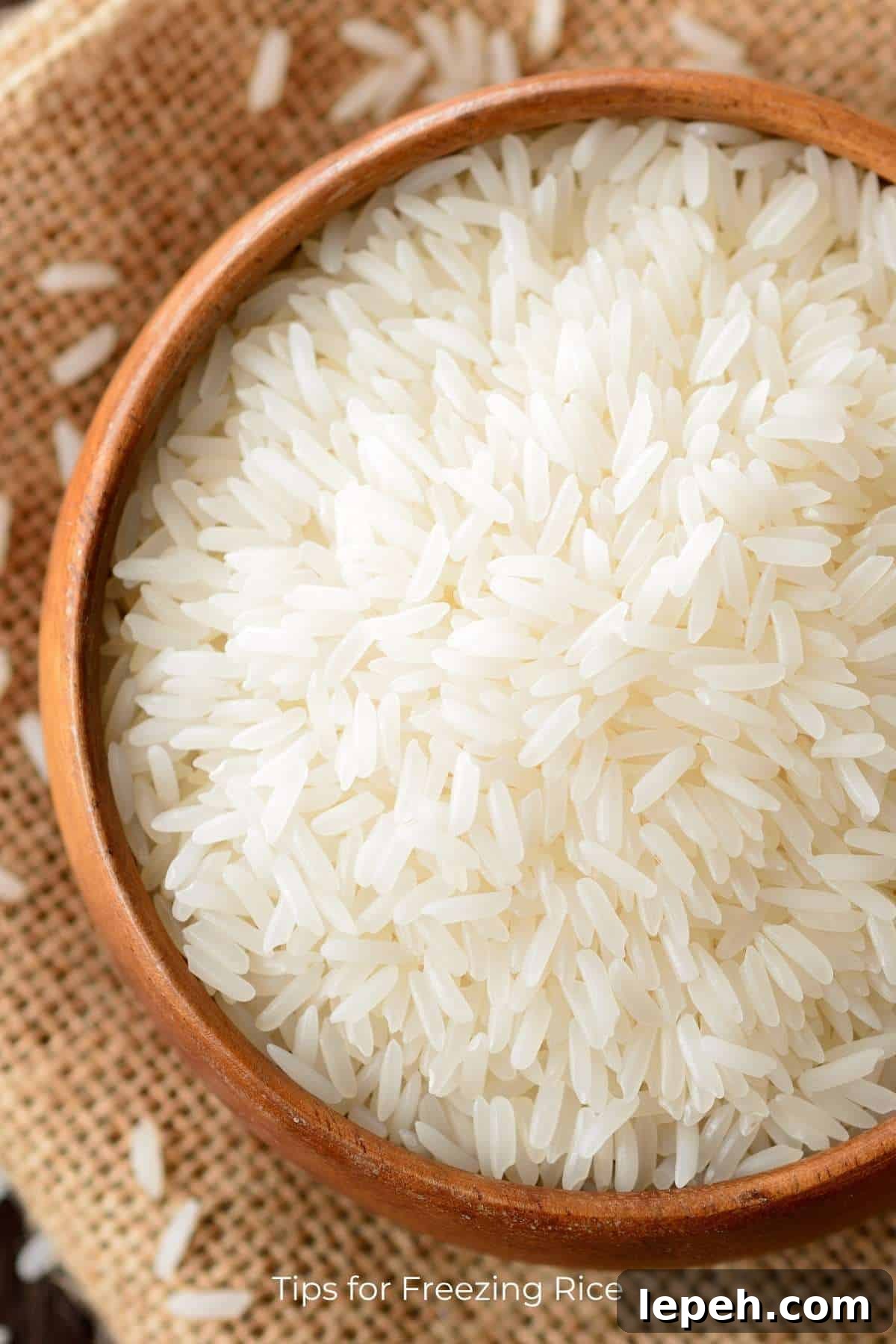
Batch-cooking and freezing rice makes weeknight dinners faster and stretches leftovers further. With a few straightforward steps, you can keep perfectly cooked rice on hand for stir-fries, bowls, soups, and more without extra pots or fuss.
Preparing the rice for freezing
Good results begin with proper cooking, cooling, and packing. Follow these simple steps to preserve texture and flavor when freezing rice.
Cooking the rice
Cook rice according to the package instructions for best texture. Different rice types need different water ratios and cooking times:
- White rice: About 1.5:1 water-to-rice; typically 15–20 minutes on the stovetop.
- Brown rice: About 2:1 water-to-rice; usually 30–45 minutes.
- Jasmine and basmati: Fragrant varieties generally use a 1.5:1 ratio and cook in 15–25 minutes.
- Wild rice: Often needs about a 3:1 water-to-rice ratio and 45–60 minutes to cook.
You can use the stovetop, a rice cooker, or a pressure cooker. Basic methods:
- Stovetop: Bring water to a boil, add rice, cover, reduce to a simmer, and cook until tender.
- Rice cooker: Add water and rice, start the cooker, and let it finish; most models switch to warm automatically.
- Instant Pot/pressure cooker: High-pressure settings vary by rice type — shorter times for white rice, longer for brown — and a natural pressure release yields better texture.
When the rice is done, fluff it with a fork to release steam and prevent clumping. Then spread it out to cool.
Cooling the rice
Cool rice completely before freezing to avoid ice crystals and soggy texture. Spread cooked rice in a thin layer on a baking sheet so grains separate and cool quickly at room temperature.
Freezing rice in single portions after spreading it on a baking sheet keeps the grains separate and speeds reheating — a real time-saver for busy nights.
Packing and freezing
Once fully cooled, pack rice into freezer-safe containers or reusable silicone/plastic bags. Portioning before freezing makes it easy to grab the exact amount you need.
Remove as much air as possible from bags to limit freezer burn and freeze them flat. Flat, thin packages save space and thaw more evenly. Label each package with the date and portion size. Properly stored, rice keeps well in the freezer for up to six months without major quality loss.
Kristin’s Kitchen Tip
Freeze rice in single-serving portions using silicone bags to make reheating quick and avoid wasting extra portions.
Reheating frozen rice
Several easy methods will reheat frozen rice while keeping it moist and fluffy. Choose the one that fits your routine.
Microwave method
Place frozen rice in a microwave-safe bowl (no need to thaw). Add a few teaspoons of water to create steam and prevent drying. Cover loosely with a microwave-safe lid or plate. Heat on high for one to three minutes depending on quantity, stirring halfway through for even warmth. The rice should be hot and fluffy when done.
Stovetop method
For a simple stovetop reheat, put the frozen rice in a small pot, add a few tablespoons of water, cover, and warm on low. Stir occasionally to break up clumps and heat evenly until the rice is hot throughout.
Steamer method
For gentle reheating that preserves moisture, steam the rice. Place it in a steamer basket over boiling water, cover, and steam for about five to 10 minutes depending on the amount, stirring once or twice to distribute heat.
How much rice to cook for freezing
Plan portions based on how you use rice. A half-cup of cooked rice is a typical side serving. If you want multiple meals or feed a family, cook 1–2 cups of dry rice per batch. As a reference, 1 cup of dry brown rice generally yields about 3 cups cooked, but yields vary by rice type and brand, so follow package directions for best results.
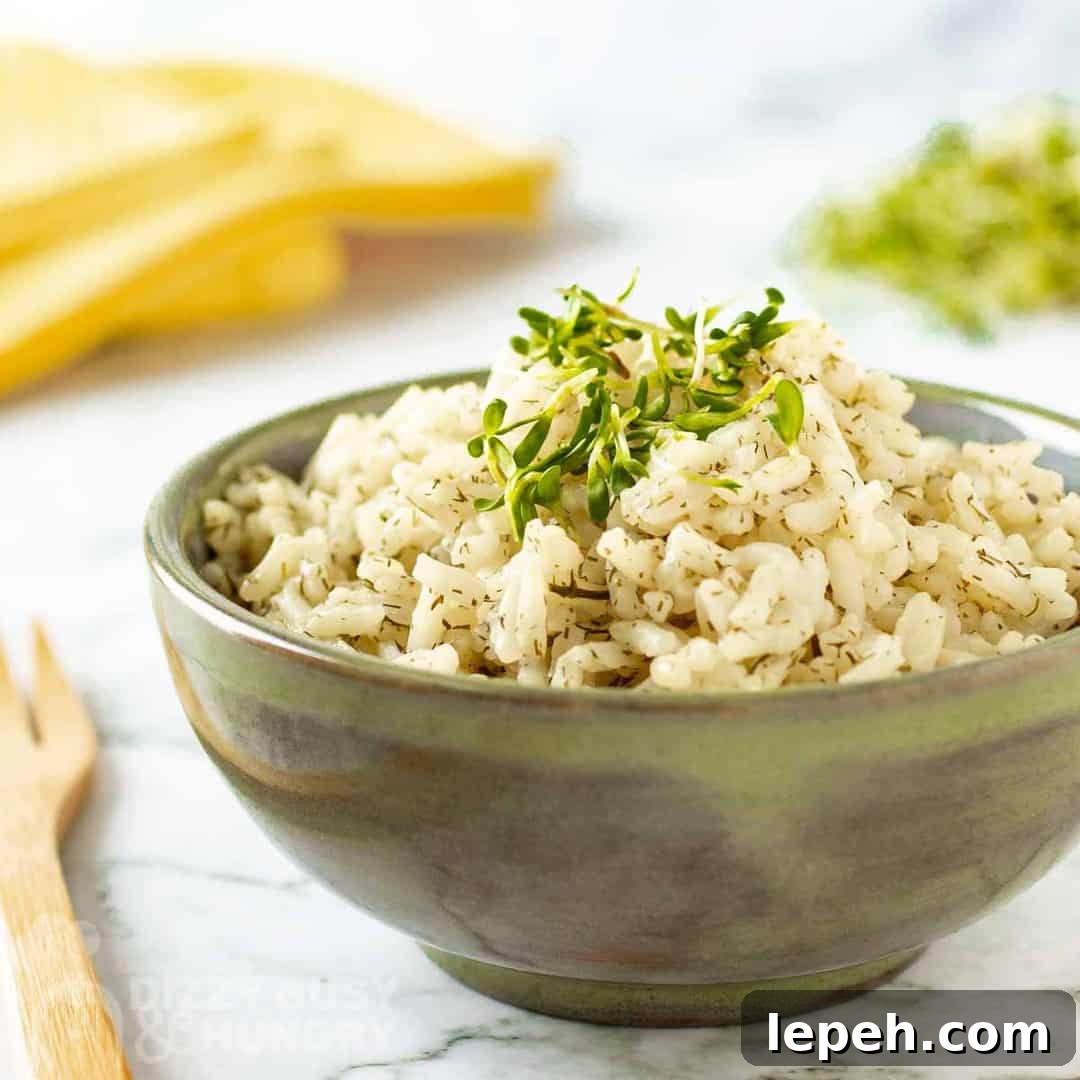
For a fresh variation, lemon dill rice makes a lovely side or light lunch and freezes nicely for future meals.
Tips for using frozen rice
Frozen rice is versatile and works in many dishes. It pairs well with bold flavors and can be added straight to hot soups or stews without thawing.
Ideas for using frozen rice:
- Quick meals: Toss reheated rice into stir-fries, burritos, or grain bowls for fast lunches or dinners.
- Soups and stews: Stir rice into soups or stews at the end of cooking to add body and texture.
- Breakfast bowls: Use rice as a base for savory breakfast bowls topped with vegetables and a fried egg.
Final thoughts
Freezing rice is a practical way to save time and simplify meal prep. With proper cooking, cooling, and storing, you’ll have ready-to-use rice that reheats quickly and retains good texture. A little planning makes it easy to add a hearty grain to any meal and reduces the need for last-minute cooking.
Thanks for reading! Happy saving and enjoy having freezer-ready rice on hand for fast, satisfying meals.