
Bans on single-use plastics and restrictions on plastic drinking straws have helped the environment, but they have also raised important questions for the gluten-free community. Are paper straws or biodegradable plates made from gluten-containing ingredients? Can wheat-based straws or tableware transfer gluten into otherwise gluten-free food? Recent research helps answer these concerns and shows that some alternatives can pose a real risk for people with celiac disease, wheat allergy, or severe gluten sensitivity.
Speculation that wheat- or grain-based food contact materials might cause gluten cross-contamination has grown as manufacturers use food proteins—such as milk, egg, soy, and wheat gluten—to create eco-friendly tableware. Gluten, in particular, is commonly used because it preserves elastic properties when isolated and can be formed into cups, plates, cutlery, and straws. Pasta-style straws and items made from wheat bran, semolina, or other cereal components are increasingly available.
Where Are Single-Use Plastic Alternatives Using Gluten?
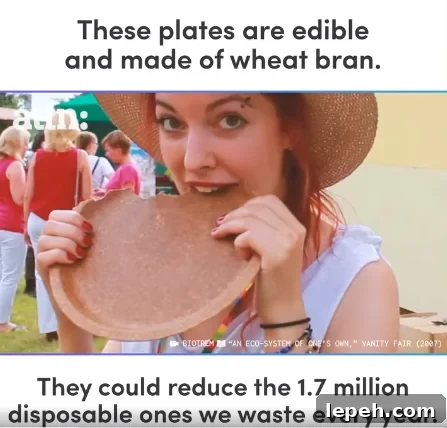
Eco-friendly alternatives often rely on proteins and plant materials. Apart from cellulose, wood, bamboo, and palm leaf options, manufacturers sometimes use protein-rich byproducts such as wheat gluten or wheat bran. In production, gluten can be dried to a powder and later rehydrated to form tableware. That means some biodegradable products are essentially made from the same gluten-containing cereals that people with celiac disease must avoid.
Which Food Contact Materials Transfer Gluten to Food?
European Findings: Biodegradable Tableware Can Transfer Gluten
Independent tests in Europe have shown that gluten can migrate from biodegradable food contact materials into otherwise gluten-free food. One Italian study found that wheat bran–based plates transferred enough gluten to raise naturally gluten-free foods above safe limits for people with celiac disease.
In that study, researchers placed two gluten-free items—soft cheese at room temperature and a heated gluten-free lasagna—on wheat bran plates for 30 minutes. Before contact, both foods tested below 5 mg/kg gluten. After 30 minutes, the cheese measured 45 mg/kg and the lasagna exceeded 80 mg/kg. For context, many experts consider a daily intake of 10 mg of gluten to be the maximum safe exposure for those with celiac disease, and 20 ppm is the usual threshold for labeling a food as gluten-free.
Based on these results, several national celiac societies recommend that people with celiac disease avoid food contact materials made from gluten-containing cereals or any materials whose composition is unclear.
German Study: Plates, Cutlery, Straws, and Cups
A more recent German study examined a range of biodegradable items: 100% wheat bran plates, cutlery made from wheat bran with polylactic acid, three different straws (one made from durum wheat semolina and wheat gluten, one from durum wheat semolina alone, and one from rye stalks), and a wafer cup made from oat bran and wheat flour.
Cutlery
The researchers found negligible gluten transfer from wheat-based forks and knives, likely due to limited contact area and short contact time. The study concluded that these utensils posed minimal risk for people with celiac disease.
Straws
Results for straws varied. Straws made from wheat or rye stalks—plant parts that do not contain gluten proteins—showed no measurable gluten transfer and were considered safe, though the authors recommended thorough cleaning to remove any grain dust. In contrast, straws made from durum wheat semolina or those containing concentrated wheat gluten transferred gluten into liquids at measurable levels. Because these straws are effectively composed of gluten-containing grain, people on strict gluten-free diets should avoid them.
Plates
Plates produced from wheat bran demonstrated significant and inconsistent gluten transfer. The amount of gluten that migrated depended on the type of food or liquid, contact time, and variability in plate construction. The study concluded that wheat-bran-based plates present a real risk and should be avoided by individuals with wheat allergy or celiac disease.
Cups
The study’s wafer cup—made with oat bran and wheat flour—released gluten into liquids at levels that could be dangerous for people who must avoid gluten. Both sandwich ELISA and competitive ELISA tests detected notable gluten migration, leading the authors to advise against using such cups for gluten-free consumers.
Summary from These Studies
Overall, gluten cross-contamination was demonstrated from durum wheat semolina–based pasta straws, wheat-bran plates, and oat-bran/wheat-flour wafer cups. People with celiac disease, wheat allergy, or severe gluten sensitivity should avoid these products to prevent unintentional gluten exposure.
Recent Research from Andalusia and What It Shows
A 2025 study from Andalusia examined gluten transfer from wheat-based plates, cups, and straws into various foods and liquids. The researchers found multiple examples of gluten migrating into foods at levels above common gluten-free thresholds and emphasized that non-food products generally are not required to carry allergen labeling—creating potential hazards for consumers who need to avoid gluten.
The study highlighted considerable variability between products made from similar starting materials. Differences in manufacturing processes, additives, coatings, and the specific plant parts used (e.g., seeds vs. stalks vs. bran) likely explain inconsistent gluten migration. The researchers also found that liquids—because of higher moisture, lower viscosity, and greater surface spread—were more prone to gluten uptake than solid foods.
Reported maximum levels of gluten transfer in the study included:
- Rice: up to 17 ppm
- Omelet: up to 30 ppm
- Milk: up to 240 ppm
- Vegetable cream: up to 2,100 ppm
Interestingly, in some cases microwaving the dish before serving reduced measurable gluten transfer. The authors hypothesized that heat-induced protein denaturation or altered binding capacity might explain this effect. They also observed that contact time did not produce a simple linear increase in transfer; food properties such as viscosity and moisture content were important factors.
The Andalusian team recommended mandatory gluten labeling for food contact materials and urged consumers to check product composition carefully while such regulations remain absent.
Although that study focused on gluten, the potential migration of other allergenic proteins—such as milk, egg, soy, or nut proteins—from biodegradable materials should also be considered. A broader allergen risk assessment framework would help create safety standards to protect all food-allergic and food-sensitive consumers.
Are Food Allergens Required to Be Labeled on Biodegradable Tableware?
No. Currently, food contact materials are not classified as foods and are not required to carry allergen labels in many jurisdictions, including the United States, Canada, and the European Union. Given the demonstrated potential for allergen transfer, many experts and researchers argue that legislation should require disclosure of allergenic ingredients in food-contact materials so consumers can make informed choices.
How Can People on a Gluten-Free Diet Stay Safe?
To reduce risk, avoid biodegradable tableware made from wheat, semolina, oat flour combined with wheat, or other gluten-containing cereals. Choose alternatives that are clearly labeled as made from non-gluten sources such as palm leaf, bamboo, or other cellulose-based and plant-fiber materials. When product labeling is unclear, contact the manufacturer for confirmation rather than assuming an item is safe.
Until regulations require disclosure of allergenic ingredients in food-contact materials, consumers who must avoid gluten should err on the side of caution. If a biodegradable product is marketed as “edible” and contains wheat or is labeled as being made from wheat, it should not be used to serve gluten-free food—or eaten—by people with celiac disease.