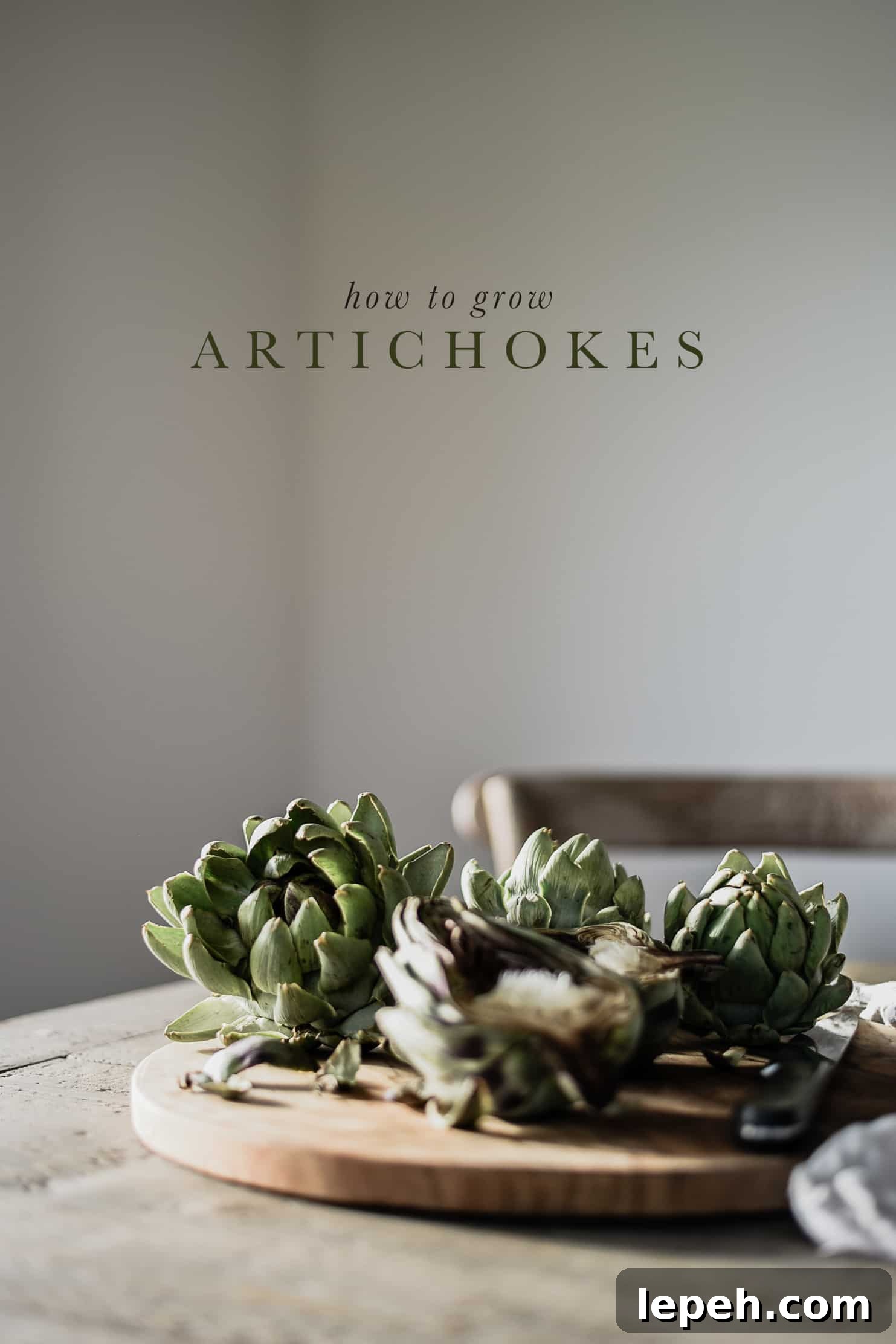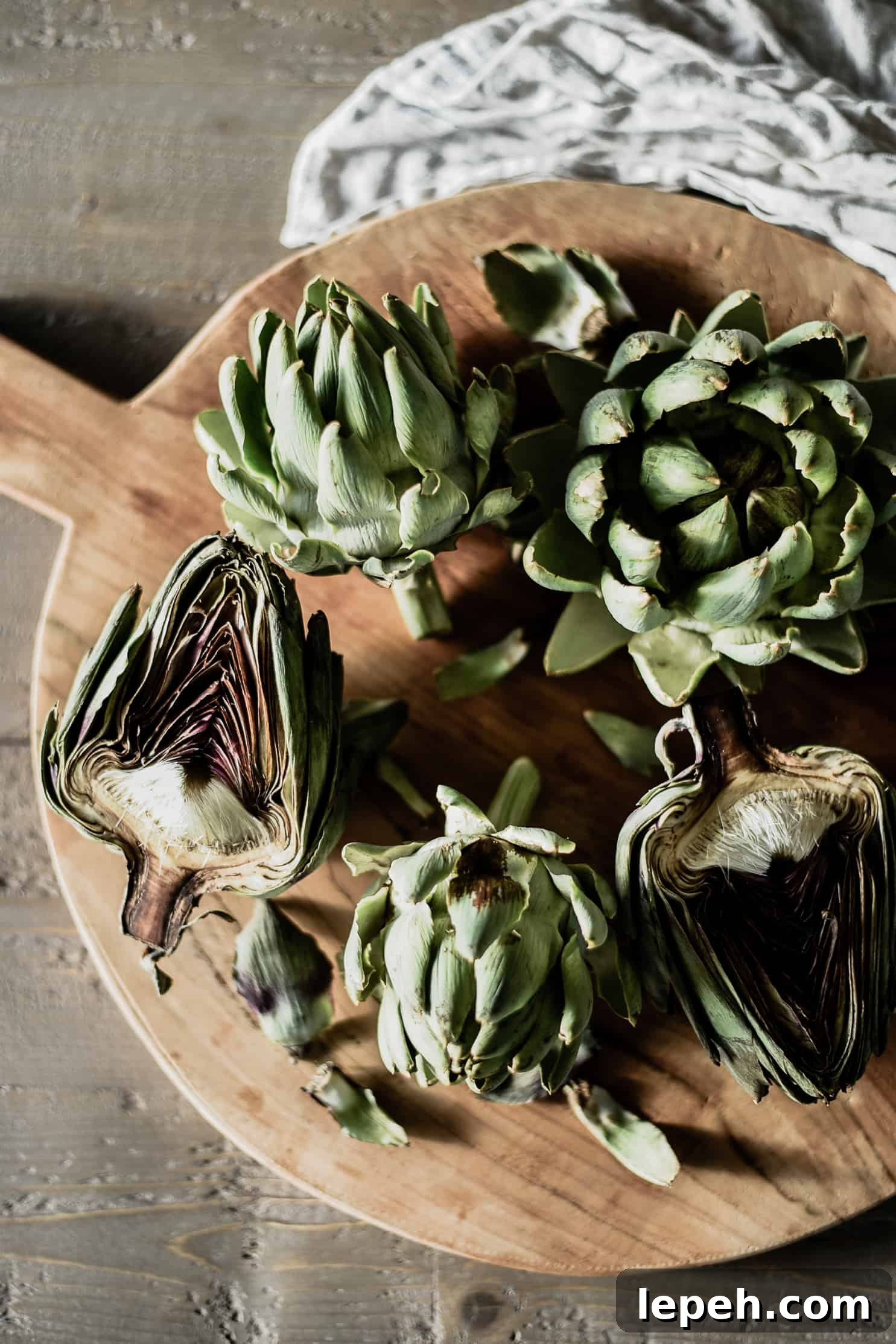
Artichokes are a sturdy vegetable that can be grown in many regions and enjoyed into the fall. Follow this practical guide to learn how to grow artichokes in your garden.
How to Grow Artichokes
Artichokes are perennial, heirloom plants grown for their edible flower buds. They thrive where summers are cool or foggy and winters are mild. In cold regions you can plant artichokes in the fall but protect the root zone with a thick winter mulch. In areas with hard freezes (below USDA zone 8) artichokes are best treated as annuals and replanted each spring. In zones 8 and warmer, plants can produce for several years—often up to five productive seasons.
With early spring starts, harvests typically begin in late summer and continue through fall. In warmer climates with few cold days, perennial plants may produce year-round. A single well-cared-for plant in a warm area can yield many heads over a season.
Planting
Artichokes can be started from seed or planted from crowns. If starting from seed, sow seedlings about eight weeks before the last expected frost. Young plants benefit from a brief cold treatment—exposing them to temperatures near 50°F for around 10 days helps trigger bud production by simulating a second-year cycle. If a hard freeze is expected, protect seedlings during that cold period.
Crowns (established root stocks) are an alternative and can be planted without the cold trick. They are often available from nurseries and seed companies. When planting in open ground, improve the soil: artichokes need well-draining soil because roots are prone to rot in waterlogged conditions. Work in plenty of organic matter and aim for a slightly acidic to neutral pH around 6.0–7.0.
Watering & Care
Artichokes are heavy feeders and do best in consistently moist, well-draining soil. Give each plant plenty of room—about 5 feet of space is recommended to allow for healthy growth and good air circulation. Regular watering is important, especially during hot or dry spells.
These plants prefer mild, coastal-like conditions. If you don’t have natural fog, you can mimic the environment by misting in the morning, providing afternoon shade when temperatures spike, and applying a 4-inch layer of mulch around the roots to retain moisture and moderate soil temperature.
Suckers (shoots) commonly emerge at the plant’s base. You can remove most to focus energy on the main crowns, or allow a few to grow for transplanting to expand your patch. If saving suckers for transplanting, remove weaker shoots so only strong, healthy ones are used.
Harvest
Artichoke buds must be harvested at the right moment to avoid tough, overripe flowers. The first bud on a stem is usually the largest; subsequent buds are smaller. Harvest when the bud’s scales (petals) just start to separate at the tip. Cut the bud with sharp shears, leaving about a 2-inch stem. Handle harvested buds carefully because they bruise easily. After removing all buds from a stem, cut the stem back to ground level to encourage new growth.
Over Winter
In zones colder than 8 you can still overwinter artichokes with thorough protection. Cut plants back to about 12 inches and pile a deep mound of straw and compost around the crown to insulate roots. Cover the mound with a basket or frame and a waterproof covering to keep heavy rains out, anchoring the protection securely. This may preserve the plant through severe winters—if it survives, yields often improve over subsequent years.
If mulching is impractical, you can lift crowns after harvest and store them. Clean and dig up crowns, allow them to dry, and store the roots in a cool, dry place (a cellar or similar environment) in breathable sacks. In spring, replant the crowns into prepared soil as you would other rootstock.
More information about growing artichokes
Different varieties and regional recommendations are available from seed and plant suppliers; choose types suited to your climate and production goals.