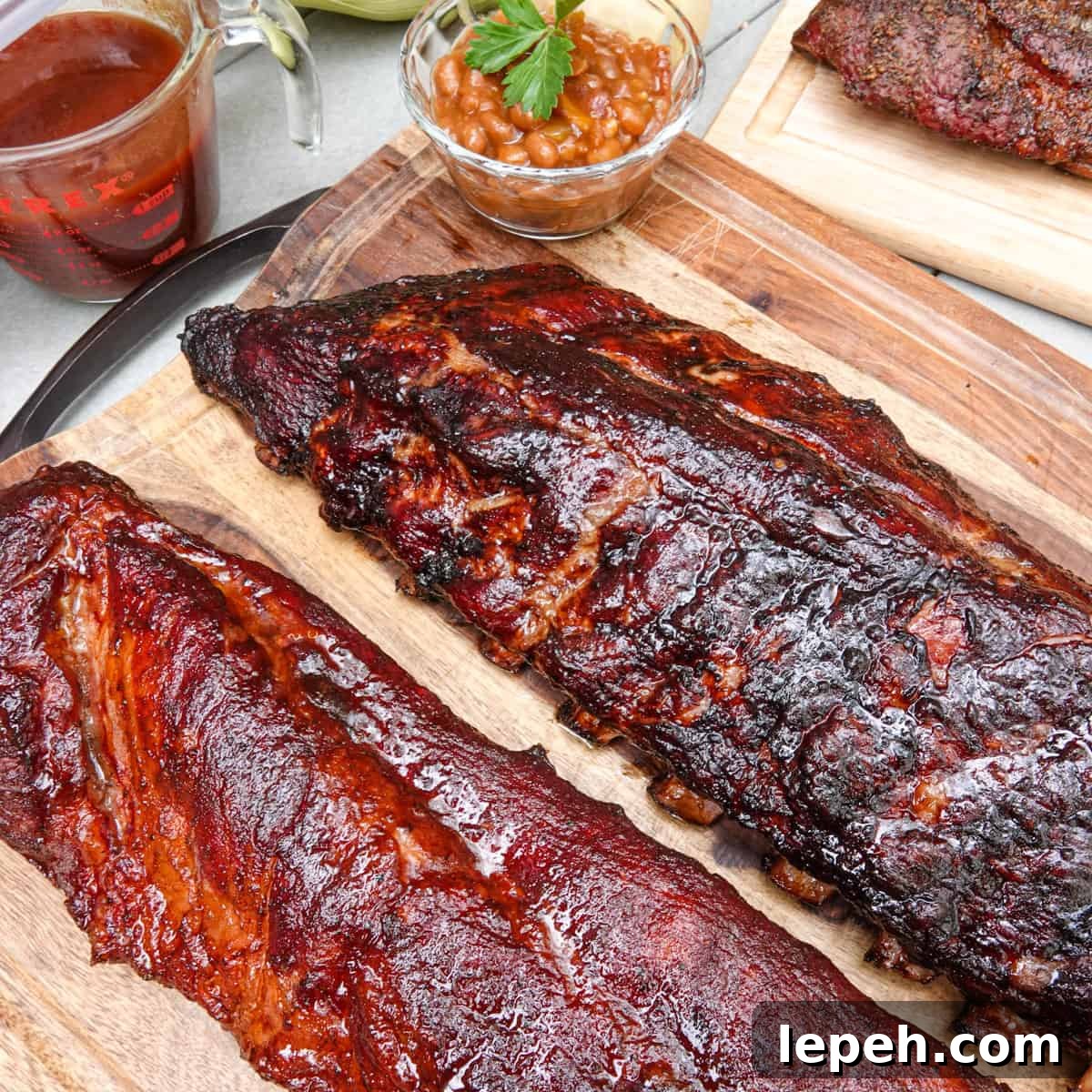
It’s time to smoke some of the best meat you can make: smoked baby back ribs. Everyone loves ribs because they’re delicious. Fire up the smoker and let’s get started.
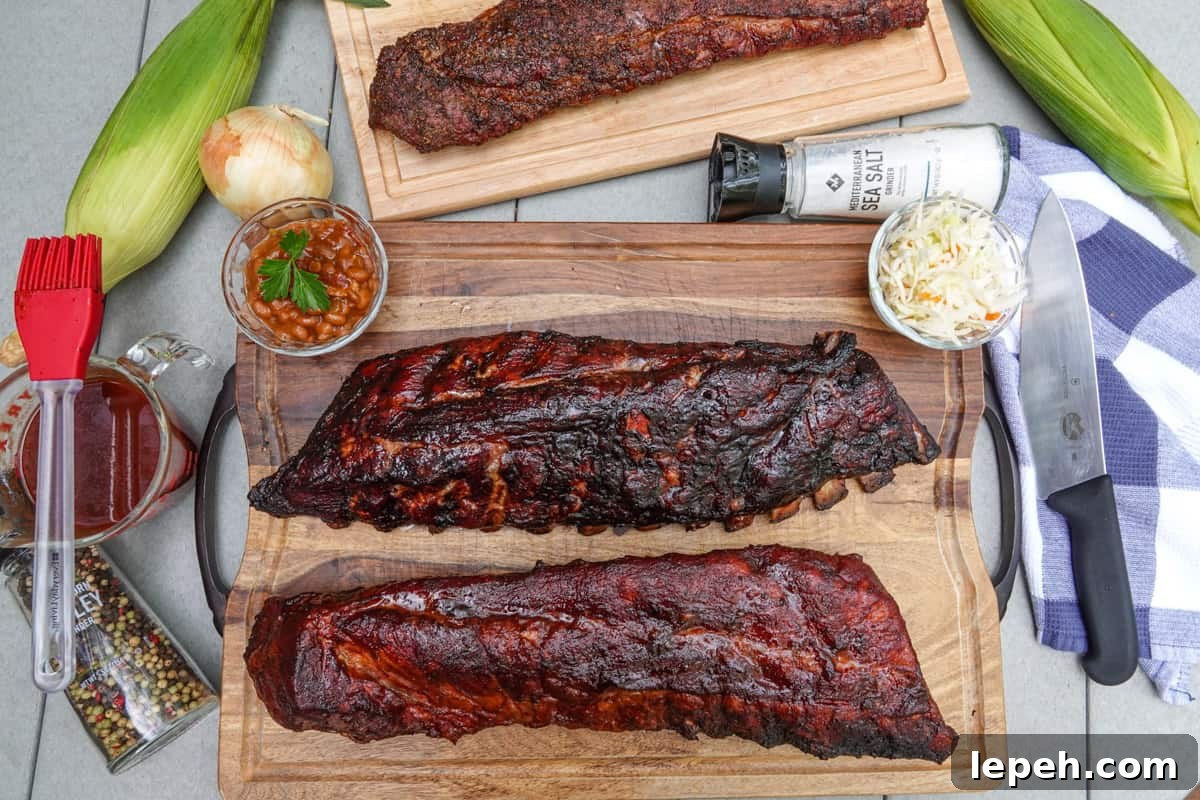
What are baby back ribs?
Baby back ribs are pork ribs taken from the section that connects to the spine after the loin is removed. They are called “baby” because they are shorter and more curved than other rib cuts, not because they come from a piglet.
If you want larger, meatier ribs, look for spare ribs, which come from the lower portion of the ribcage near the breast bone. Baby backs cook quicker and are ideal for smoking because they respond well to low-and-slow heat and smoke, producing tender, flavorful meat.
How much to buy
A full rack of baby back ribs contains about 10–13 ribs and typically weighs 1½–2 pounds. Plan on one rack feeding two people when served with sides. Baby back ribs are widely available at grocery stores and butcher shops and are an affordable, crowd-pleasing choice for backyard BBQs and summer dinners.
Step 1 – Prepping the ribs
Remove ribs from packaging and rinse briefly under cold water, then pat dry with paper towels to remove excess moisture.
Removing the membrane
Removing the membrane from the bone side is optional but recommended. Taking it off helps seasonings penetrate the meat and prevents chewy, stringy pieces when you bite into the ribs.
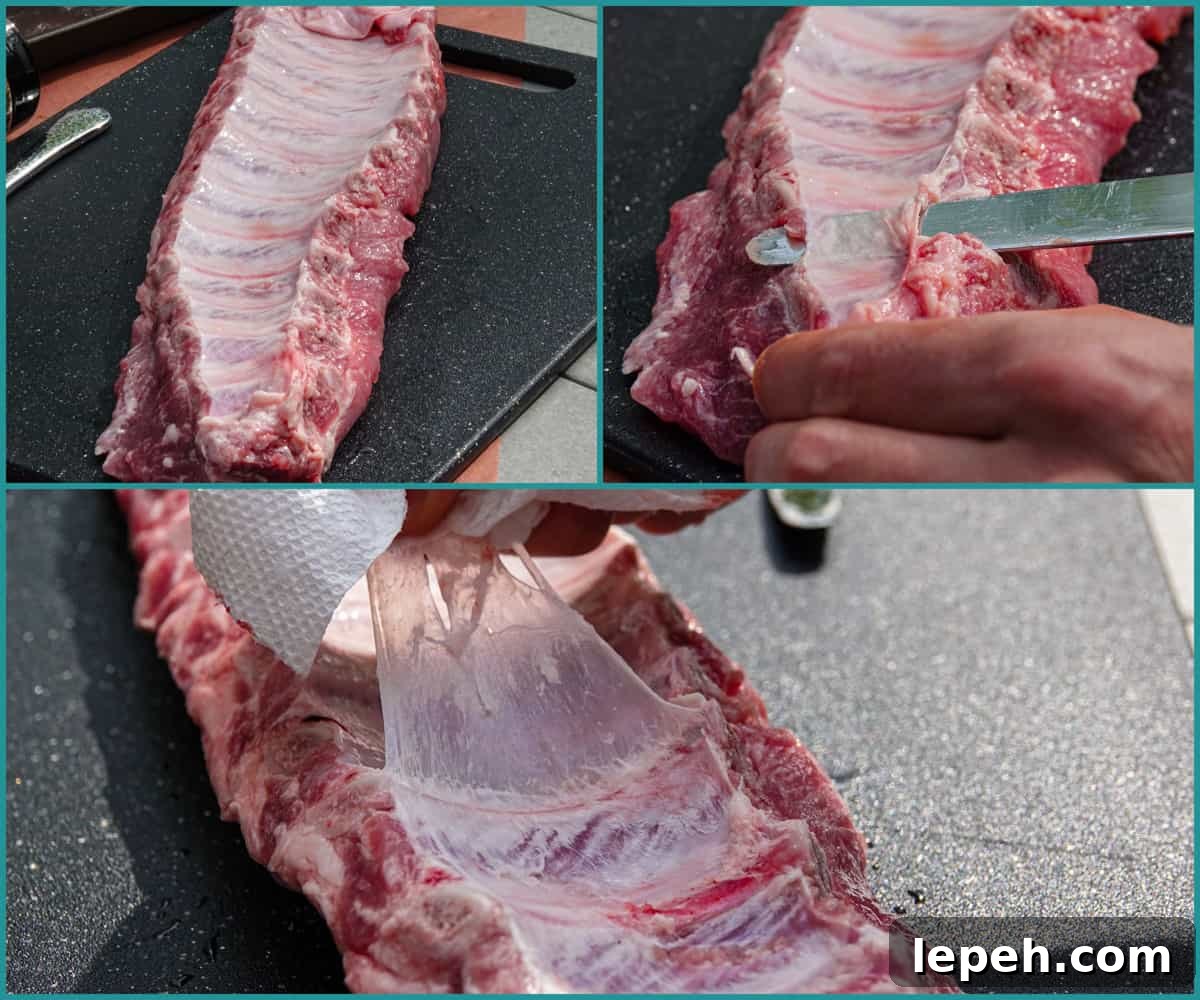
- Place the rack meat-side down on a cutting board so the bones curve up toward you.
- Slide a dull knife (like a butter knife) under the membrane at one end to loosen it, then grip the membrane with a paper towel and pull it off in one piece. It can be slippery, so a towel helps.
- Discard the membrane.
Step 2 – Seasoning
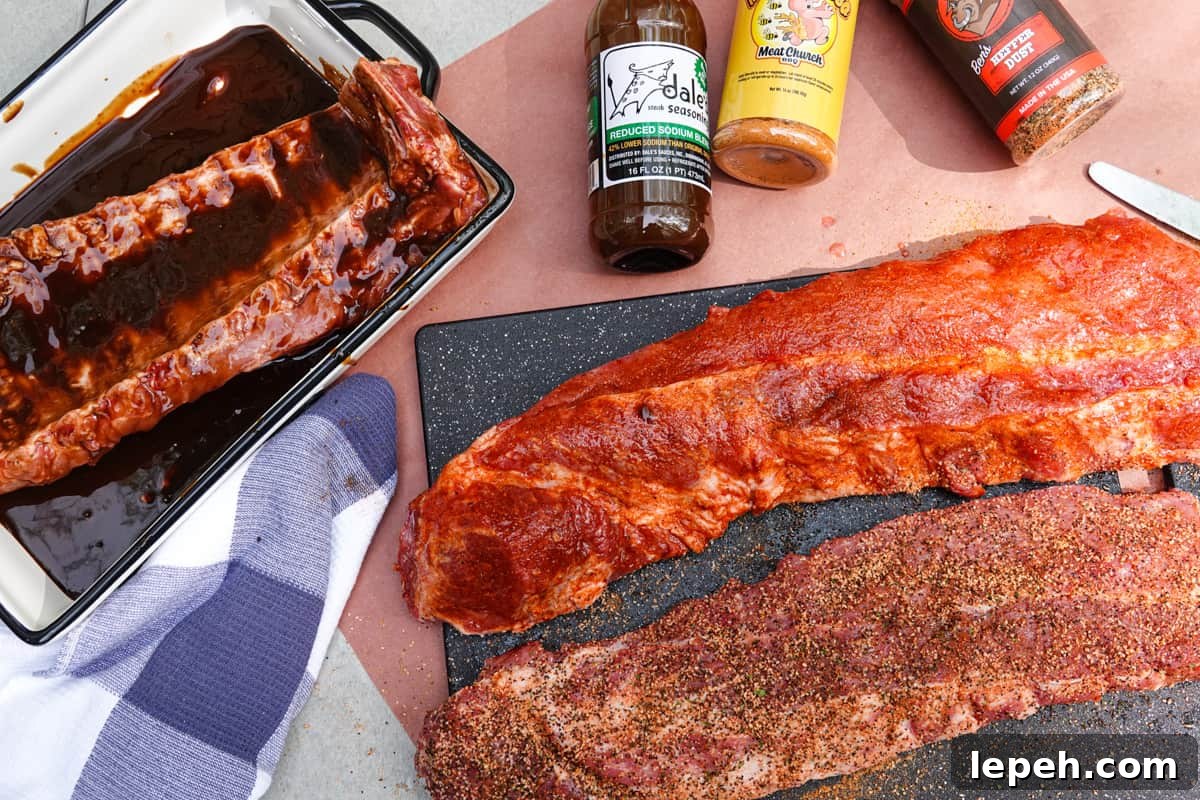
Ribs can be prepared several ways depending on your flavor preference: sticky BBQ, a marinade, or a dry rub. For most styles, start with a generous layer of dry rub unless you’re using a very thin, low-sugar liquid marinade.
Marinade
If using a thin marinade, avoid high-sugar formulas that may burn during long smoke sessions. A salty, savory marinade can work well. Marinate the ribs for 30 minutes to 3 hours before smoking and brush more on during cooking as needed.
BBQ Sauce
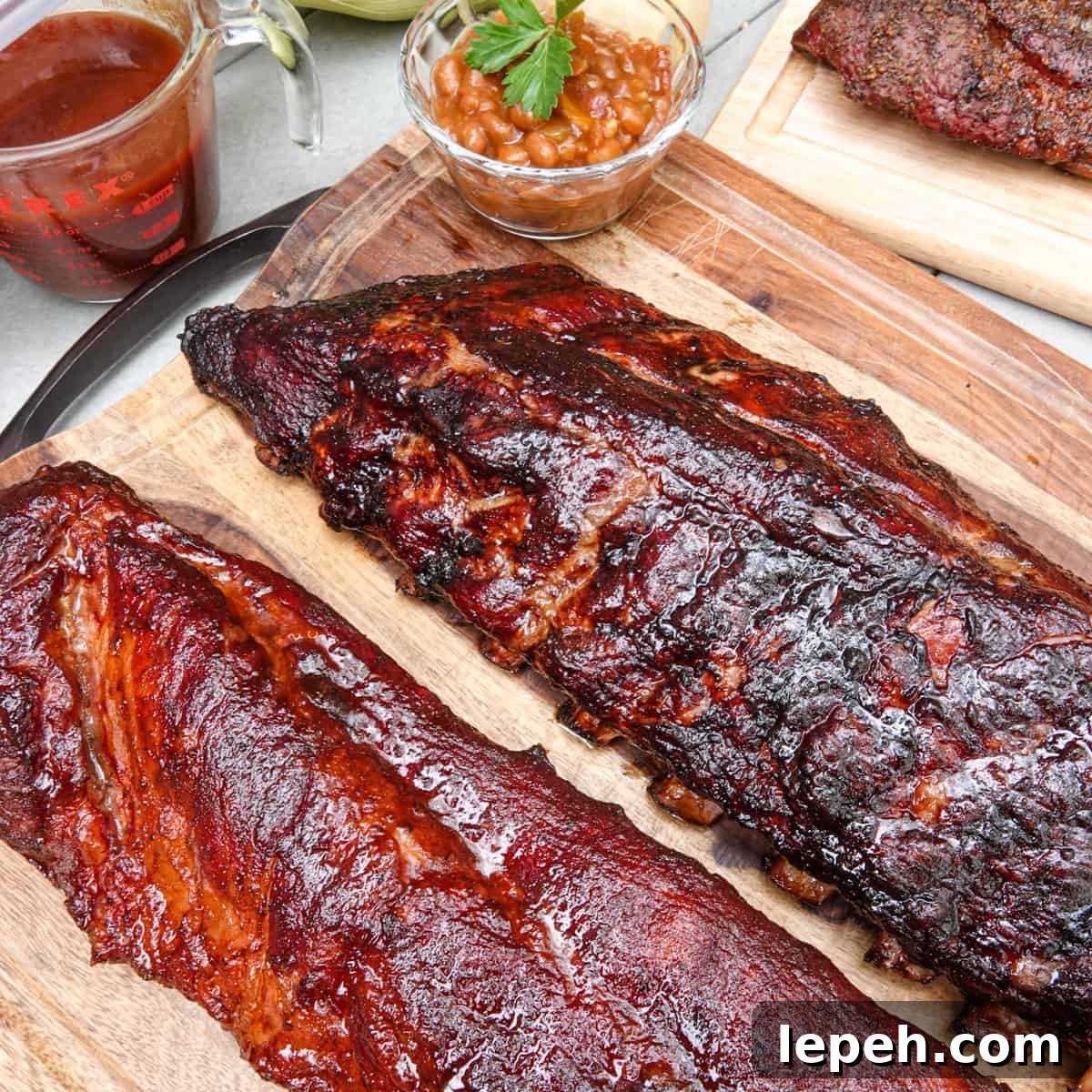
If you plan to finish with BBQ sauce, build layers of flavor by seasoning first with a rub that complements your sauce. Sweet sauces pair well with sweeter rubs, while spicy sauces pair with pepper-forward rubs. Smoke the ribs without sauce until about the final hour, then mop or brush the sauce on every 30–60 minutes until the glaze sets.
Dry Rub
A dry rub is simple and effective: massage it onto both sides of the ribs and smoke—no basting required. The rub below combines brown sugar, paprika, salt, pepper, garlic and onion powders, and a touch of cayenne for a balanced flavor.
Step 3 – Smoking the ribs
Smoke whole racks—no need to cut them in half. Smoking whole helps you judge doneness visually and with the bend test.
Smokers
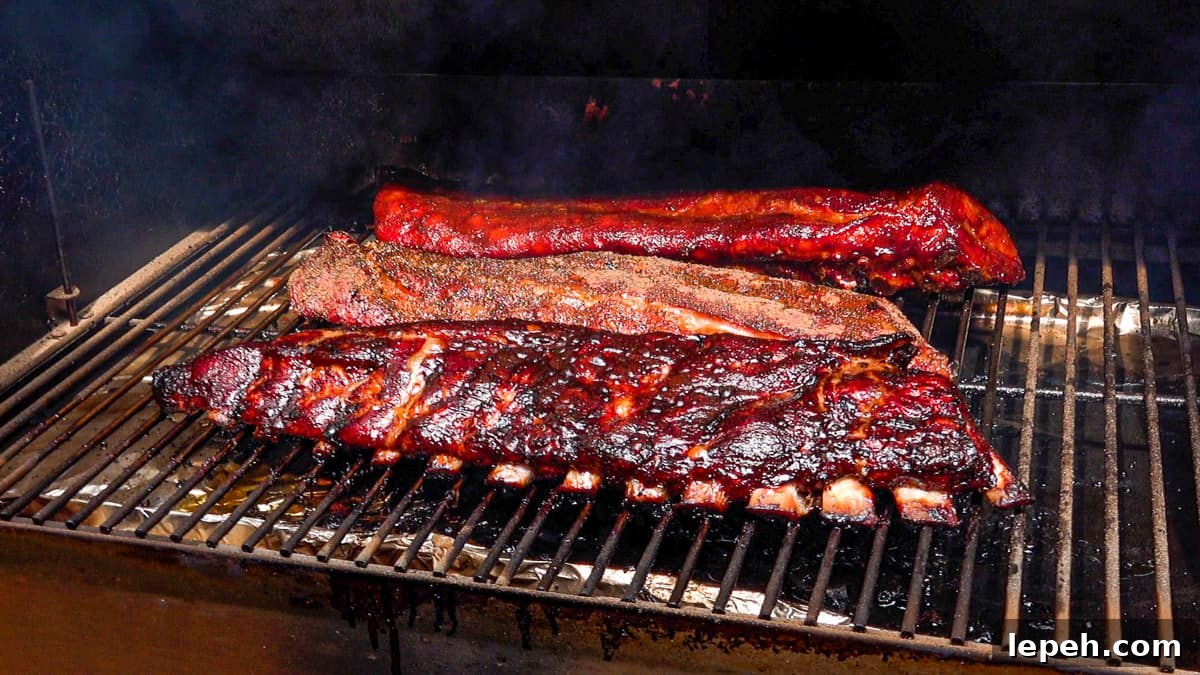
Both pellet smokers and offset smokers work great for baby back ribs. Choose the smoker you’re comfortable with—either will produce excellent results.
Types of wood
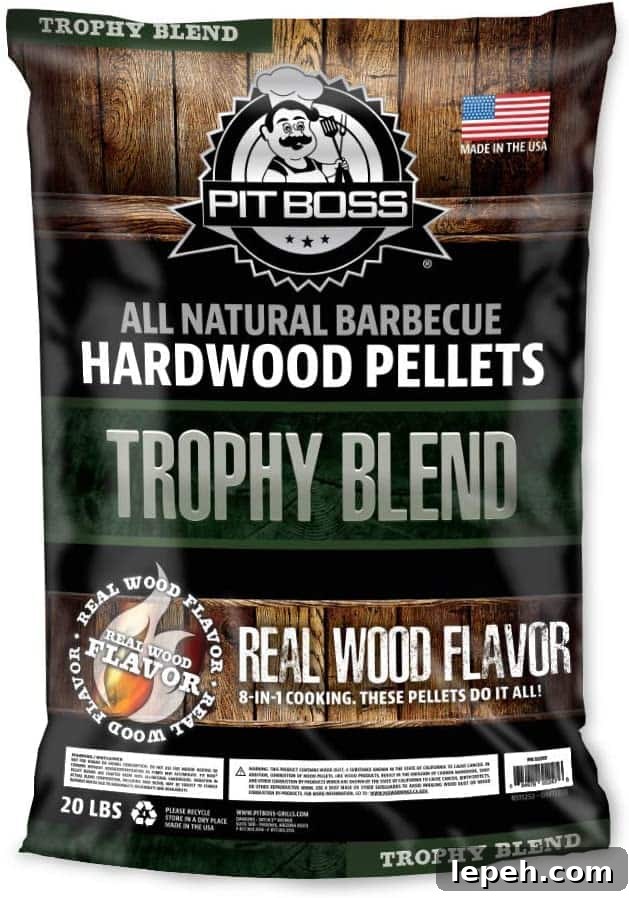
Hickory and pecan add a robust smoke flavor, while fruit woods like apple and cherry lend a milder, sweeter profile. Blends labeled for competition or hardwood pellets also provide a rich, layered smoke.
Temperature
Set the smoker to 225°F and maintain that temperature for the entire cook. Low-and-slow smoking yields tender, well-smoked ribs.
Positioning
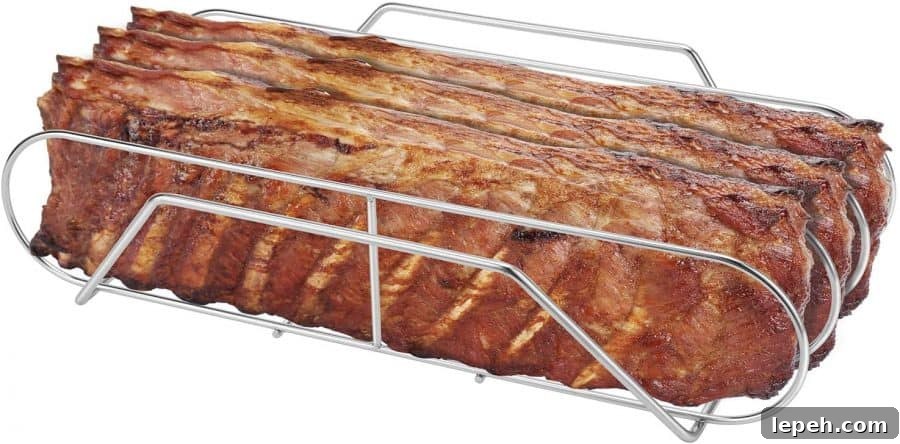
Place ribs meat-side up on the grates or stand them on their ends in a rib rack to save space when cooking many racks.
Time
Smoking baby back ribs typically takes 5–7 hours. Start early so you can finish when you want to serve. Thicker racks may require more time.
Spritzing
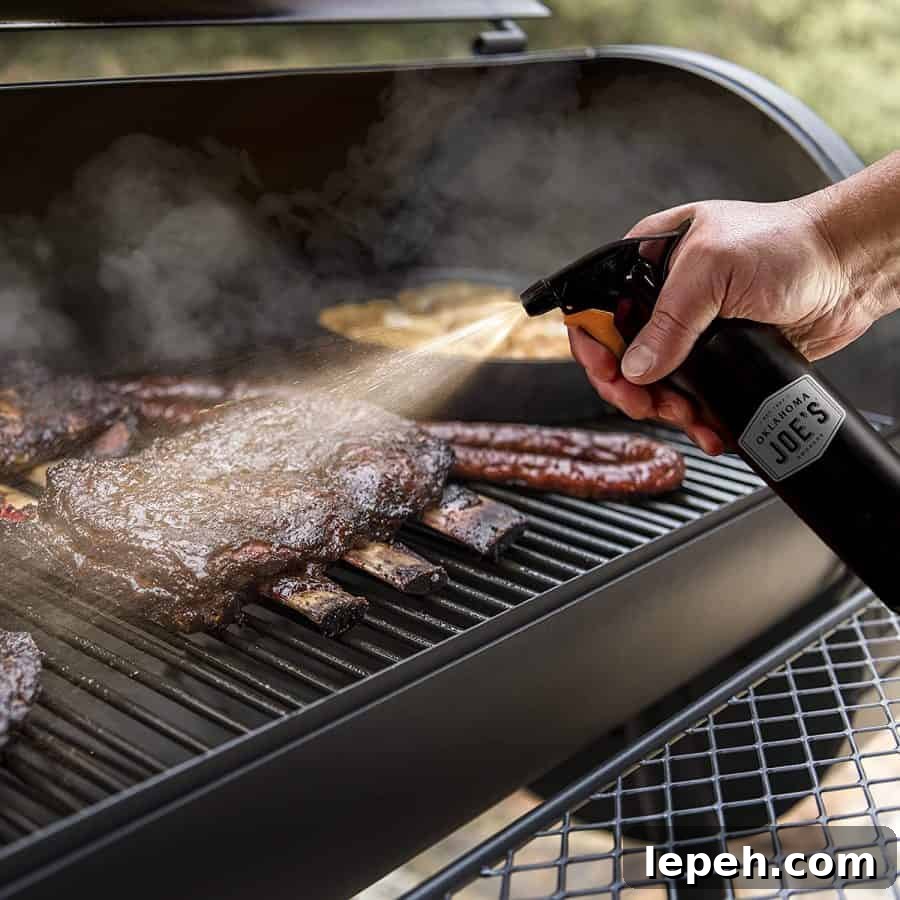
Lightly spritzing ribs with apple juice or apple cider vinegar every 45–60 minutes helps keep them moist and encourages smoke adhesion. If you’re using sauce, spritzing is optional.
Step 4 – Testing if finished
Because bones affect temperature readings, use the bend test to judge doneness. Pick up the rack with tongs about three or four ribs from the end and lift. The rack should bend and the meat should begin to crack and pull away from the bone. At this point the internal temperature will typically be around 200°F.
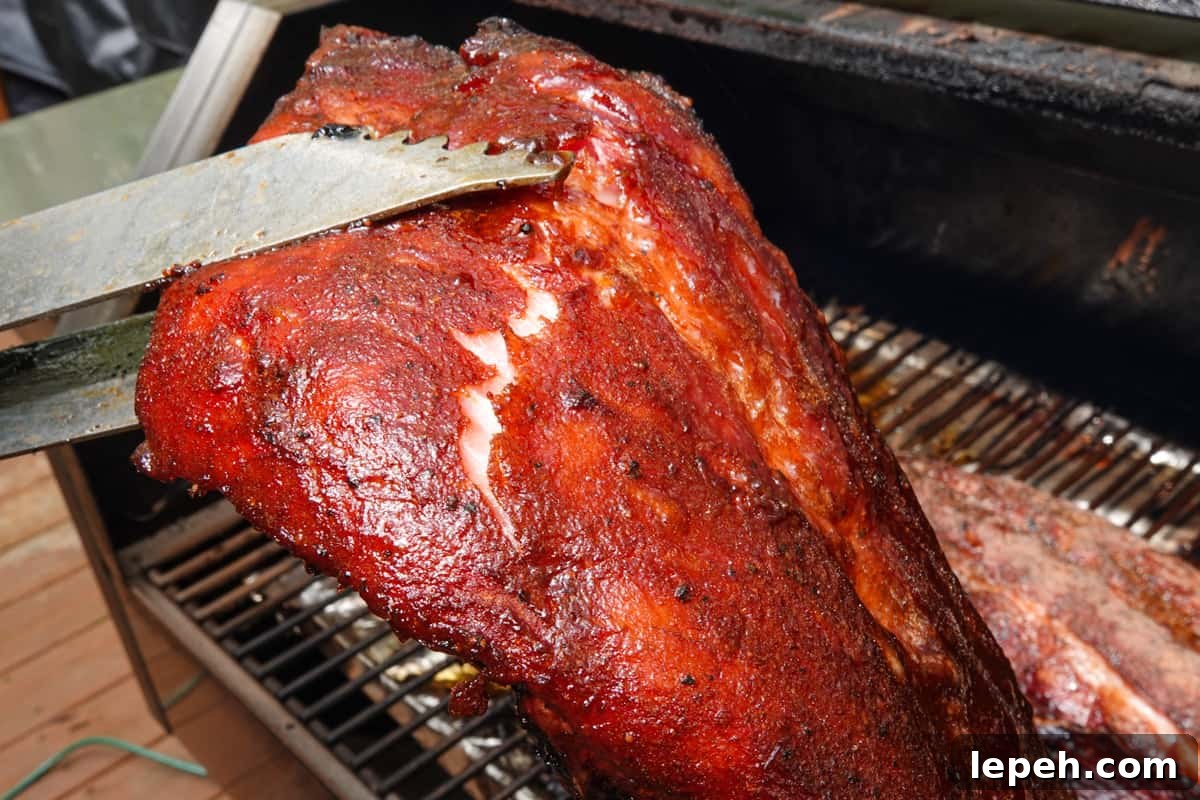
If the meat doesn’t show cracking or separation, smoke a bit longer. When done, remove the ribs and let them rest 15 minutes before slicing between the bones into individual ribs.
Bite
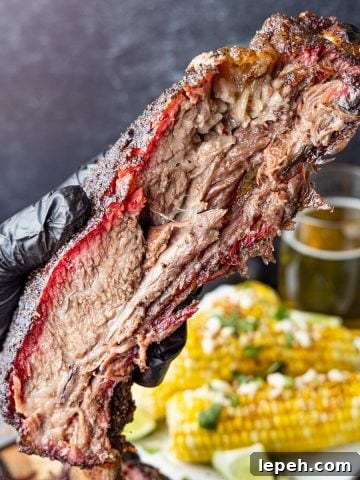
The goal is not “fall-off-the-bone” ribs but tender ribs with a bit of bite. Some small bones may pull clean, but you want meat that pulls away with a satisfying chew. If everything falls off the bone, the ribs were likely overcooked—try removing them a bit earlier next time.
Side dishes
Keep sides simple for backyard BBQs. Smoked corn and baked beans pair perfectly with ribs and are easy to prepare alongside your smoke.
Try smoking this!
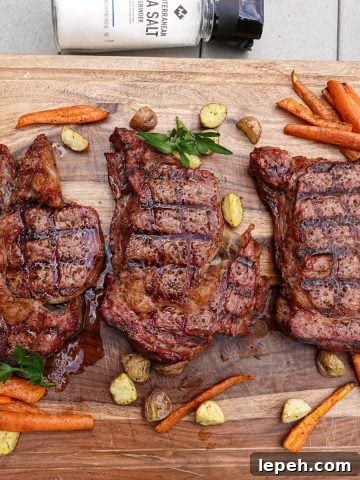
 Perfectly Smoked Steak (Ribeye)
-
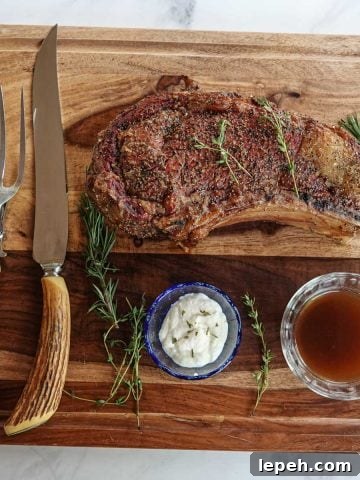
Perfectly Smoked Prime Rib Recipe
-
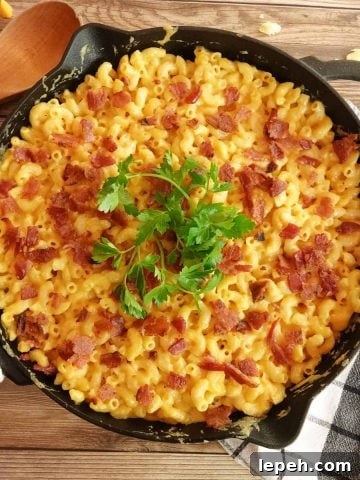
Smoked Mac and Cheese (with video)
-
Smoked Beef Ribs (Dino Ribs)
FAQ
Most often baby back ribs refer to pork from fully grown pigs. Beef back ribs exist but are uncommon.
Baby back ribs are shorter and more curved, while spare ribs are larger, flatter, and generally have more meat and marbling.
No, it’s optional but recommended because removing it improves seasoning penetration and texture.
Smoked Baby Back Ribs
Ingredients
- 3 racks pork baby back ribs
Dry Rub
- ⅓ cup brown sugar
- 1 tablespoon paprika
- 1 tablespoon kosher salt
- 1 tablespoon black pepper
- 1.5 teaspoon garlic powder
- 1.5 teaspoon onion powder
- ½ teaspoon cayenne pepper
BBQ Sauce
- ½ cup BBQ sauce (your favorite)
Equipment
Instructions
- Wash and dry ribs with fresh water.
- Remove the membrane by sliding a dull knife under it on the underside and pulling it off with a paper towel for grip.
- Season both sides liberally with dry rub. Preheat smoker to 225°F.
- Place ribs meat-side up on smoker grates or in a rib rack and smoke for 5–7 hours. If using BBQ sauce, brush it on starting at about hour five and repeat every 30 minutes until set.
- Test doneness by picking up one end so the rack bends; the meat should crack and separate. If it does, the ribs are finished.
- Let the ribs rest 15 minutes, then slice between bones into individual ribs and serve.
Pro Tips
- The bend test combined with visible meat contraction on the bones is the best indicator of doneness.
- If all ribs fall off the bone, they were likely overcooked—still tasty, but less ideal texture.
- Cook a lot of racks? Use a rib rack to stand ribs on end and save space on the smoker.
Nutrition
Carbohydrates: 21 g |
Protein: 47 g |
Fat: 40 g
Let us know how it was!